A power outage can turn a quiet evening into a practical problem: the refrigerator stops humming, lights go dark, and essential equipment loses power. The U.S. Energy Information Administration’s 2022 reliability data reported an average of about 5.5 hours of interruptions per customer, including major events. Even shorter outages can disrupt work, comfort, and daily routines.
A power transfer switch provides a controlled way to move selected circuits between utility power and a backup source, such as a portable generator. It helps prevent the two sources from feeding a home’s electrical system at the same time. That separation matters for equipment and for people working on utility lines. The U.S. Department of Energy’s Lawrence Berkeley National Laboratory estimated that power interruptions cost American customers roughly $44 billion annually. The figure is broad, but it shows that outages carry real costs beyond inconvenience.
A switch is not a magic fix. It does not create electricity, and it cannot guarantee uninterrupted service. The right setup depends on the backup source, the circuits that matter, and the building’s electrical capacity. An undersized generator may leave important loads uncovered. A poorly planned installation can create serious hazards. That detail is easy to miss. A qualified electrician can assess the system and install compatible equipment. For homeowners and facility managers weighing backup power, understanding what a power transfer switch does is a practical place to begin.
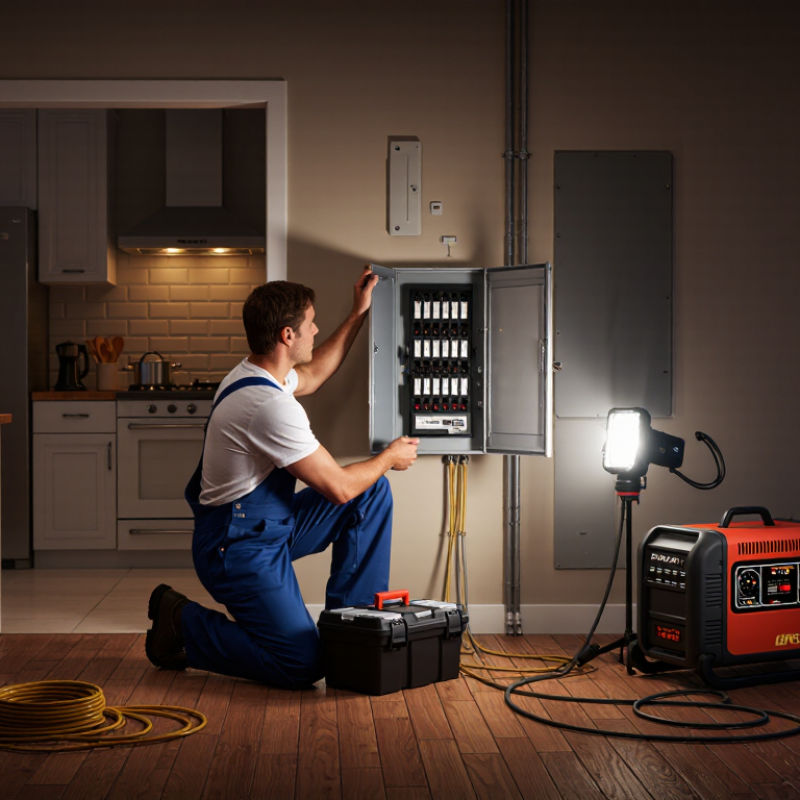
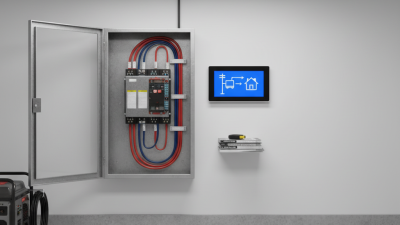
A power transfer switch connects selected home circuits to a backup generator. It separates those circuits from the utility supply before connecting them to generator power. This prevents the two power sources from feeding into each other. The switch does not produce electricity; it controls where electricity flows. Some models require you to move a lever by hand. Others detect an outage and change sources automatically. The exact operation depends on the equipment and installation.
During a power outage, a manual switch typically moves from utility to generator after the generator is running. When utility power returns, the switch transfers the circuits back. You may hear a click or see an indicator change. Not every switch supports every circuit, so check its capacity and the loads you intend to run. A refrigerator, for example, may be essential, while several large appliances running together could exceed the available power. Installation and inspection should be handled by a qualified electrician.
Tips: Keep the switch instructions nearby, label the selected circuits, and test the setup as directed. Never improvise a connection. It is easy to overlook how much power everyday appliances draw, so review your plan before an outage.
Why Do You Need a Power Transfer Switch?
How It Connects Backup Power to Essential Circuits
When utility power fails, a transfer switch links a backup generator to selected home circuits. It isolates those circuits from the grid, helping prevent electricity from flowing back onto utility lines. That separation matters. The U.S. Energy Information Administration reported an average of 5.5 hours of customer interruptions in 2022, including major events, in its Electric Power Annual reliability data. Local outages can be much shorter or far longer.
A manual transfer switch lets you choose which circuits receive backup power. An automatic model detects an outage and transfers the connection without manual switching. At the panel, an electrician connects chosen circuits, such as a refrigerator, a few lights, or a heating-system control. You then match the generator’s capacity to those loads. A refrigerator starting up can draw more power than its steady running use, so a plan based only on wattage labels may fall short.
There is a tradeoff. More circuits can mean less runtime or overload risk. A qualified electrician can check circuit loads, switch ratings, and grounding details for the specific setup. The EIA’s national average also hides local differences; it cannot tell a household how often its own power will fail. That part takes local outage history—and an honest look at which appliances truly need to run.
When a generator feeds a home through an improvised connection, electricity can travel backward toward utility lines. This is called backfeeding. It may leave wires energized even when a crew expects them to be off. A worker repairing a storm-damaged line could encounter that voltage without warning. The danger is not always visible. A power transfer switch helps prevent this by separating the home’s circuits from utility power before connecting the generator.
During a manual changeover, the user moves the switch from utility power to generator power. The switch is designed to prevent both sources from feeding the same circuits at once. That physical separation reduces the chance of backfeeding and helps protect utility workers, emergency crews, and electrical equipment. It also gives the person operating the generator a clear, controlled procedure. But a switch is not a substitute for care. Incorrect wiring, damaged parts, or poor operation can still create hazards.
The switch must match the electrical system and the generator’s capacity. A qualified electrician can select and install the right setup, including any required circuit protection. Follow the switch’s instructions, keep the generator outdoors, and check the equipment regularly for wear or loose connections. It is easy to assume the switch makes every setup safe. That assumption deserves a second look.
A power transfer switch moves selected circuits between utility power and a standby generator while preventing the two sources from feeding the same wiring. The need becomes clearer when outages last beyond a brief flicker. The U.S. Energy Information Administration’s Electric Power Annual reported an average of 5.5 hours of customer interruptions in 2022, including major events. That national figure cannot predict your home’s risk, but it shows why backup plans deserve practical attention.
A manual transfer switch costs less and gives the operator direct control. Someone must reach the switch, start the generator, and move the circuits; that can be awkward in a dark utility room during bad weather. An automatic transfer switch detects a utility outage and transfers compatible loads after the generator starts. It can restore essential circuits faster, but adds equipment, installation cost, and maintenance needs. Think about the refrigerator, furnace controls, and well pump—not every appliance at once. The right choice depends on how quickly power matters and whether someone can operate the system. A manual switch is not “less safe” when correctly installed and used. Still, it relies on human presence, and that assumption is easy to overlook. Have a qualified electrician size and install the switch for the generator and circuits involved.
| Comparison Dimension | Manual Transfer Switch | Automatic Transfer Switch (ATS) |
|---|---|---|
| Main purpose | Lets an operator select between utility power and a backup source, such as a generator. | Moves a connected load between utility power and a backup source after detecting a qualifying power interruption or abnormal condition. |
| How it operates | A person starts or prepares the backup source, then moves the switch to the appropriate position. | Control circuitry monitors the preferred source and operates the switching mechanism according to its settings and sequence. |
| Transfer response | Depends on how quickly an operator can respond and make the transfer. | Usually transfers without an operator at the switch. Detection, generator start-up, and transfer take time; the actual delay depends on the equipment and settings. |
| Operator involvement | Requires someone to be present and follow the correct operating procedure during an outage. | Can transfer automatically, though periodic inspection, testing, and maintenance are still necessary. |
| Typical applications | Homes, workshops, and other sites where an operator can safely manage backup power and a brief interruption is acceptable. | Facilities that need unattended operation or a more prompt, consistent changeover, such as commercial buildings and critical support systems. |
| Complexity and cost | Often simpler and less costly to install, depending on its rating and installation requirements. | Typically more complex and costly because it includes sensing, control, and powered switching components. |
| Power-source separation | Designed to connect the load to the selected source while preventing an unsafe direct connection between sources when correctly installed and operated. | Performs source selection through an engineered switching sequence; the equipment must be correctly rated and installed for the system. |
| Important limitation | Backup power is not available to the selected circuits until an operator completes the required steps. | Automatic transfer does not mean uninterrupted power: loads may still experience an interruption while the backup source starts and transfer occurs. |
Why a transfer switch matters: It provides a controlled way to connect selected loads to an alternate power source and helps prevent the utility and backup sources from being connected together. A transfer switch does not generate electricity; system sizing, compatibility, installation, and operation should follow applicable electrical codes and be handled by a qualified professional.
Choosing a transfer switch starts with the loads you truly need during an outage. List essentials such as a refrigerator, a few lights, a sump pump, or a heating system. Then check their starting and running power requirements. Motors can draw a brief surge when they start. A switch rated only for typical use may be undersized.
Next, consider the power source and switching method. A portable generator may suit a manual switch, while a standby system may use automatic switching. The switch must match the electrical system’s voltage, phase, and current rating. Think about which circuits it will serve, too. More circuits are not always better; they can encourage overloading.
Installation deserves careful attention. The switch should be accessible, protected from moisture, and close enough for safe connections, without blocking walkways or equipment access. Have a qualified electrician assess the panel, grounding, neutral arrangement, and required protective devices. A tidy-looking installation can still have a mismatch. Confirm that the setup prevents the generator and utility supply from feeding the same circuits at once. That detail is easy to overlook. Before choosing a location, consider cable routing and how someone will operate the switch in poor light or bad weather.