Top 10 Electrical Transfer Switch Suppliers Worldwide
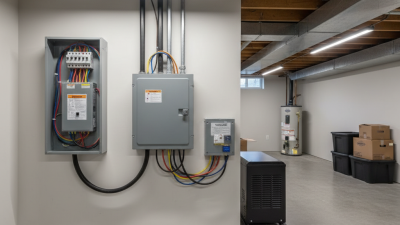
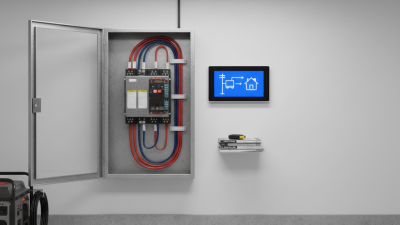
When utility power fails, an electrical transfer switch moves a building’s load to a backup source, such as a generator. The change may happen in seconds, but the equipment must match the system it serves. A switch that is undersized, poorly configured, or difficult to maintain can create problems when dependable power matters most.
In a clinic, data room, factory, or commercial building, buyers should compare more than price. Check rated current and voltage, pole configuration, automatic or manual operation, transition type, enclosure, controls, and monitoring options. Ask suppliers for clear technical documentation and confirm that the proposed model fits the installation. A detailed datasheet helps. So does practical support. Availability of spare parts, commissioning guidance, warranty terms, and responsive service can matter long after delivery.
This overview of the Top 10 Electrical Transfer Switch Suppliers Worldwide is intended as a starting point for comparing established manufacturers and their offerings. Supplier capabilities, product ranges, and regional support can change, so verify current details directly before making a decision. A polished catalog is not proof of a suitable solution. That judgment takes work. Compare suppliers against the same requirements, and seek advice from a qualified electrical professional when the application is complex. No single ranking can settle every project: a facility’s load profile, backup source, operating conditions, and maintenance resources all affect what “best” means. Even experienced buyers may overlook a small detail, such as an enclosure requirement or control interface. Review the specification twice.
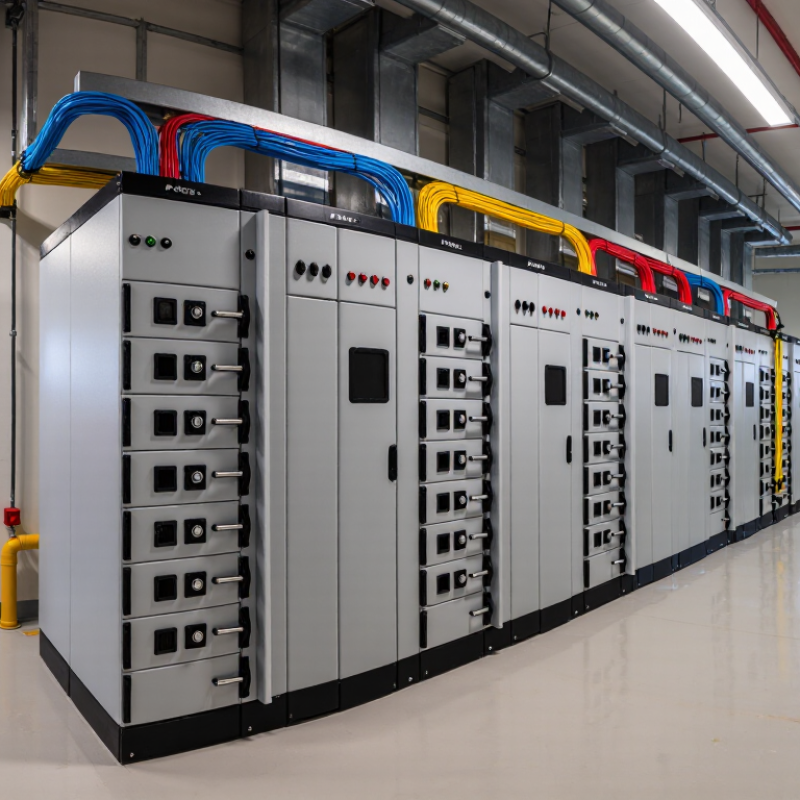
Define Transfer Switches Under IEC 60947-6-1 and UL 1008 Standards
Top 10 Electrical Transfer Switch Suppliers Worldwide
Transfer switches connect alternate power sources when the primary supply fails. IEC 60947-6-1 defines transfer switching equipment for low-voltage systems, including switching performance, utilization categories, temperature rise, insulation, and endurance. It covers systems up to 1,000 volts AC and 1,500 volts DC.
UL 1008 takes a certification-focused approach for transfer switch equipment. Testing commonly examines electrical endurance, short-circuit withstand, temperature rise, dielectric strength, and reliable source transfer. A switch may satisfy one framework without satisfying the other. Buyers should verify the exact standard edition, product scope, rated current, fault rating, and test documentation.
The IEA Electricity 2024 report estimates global data-center electricity use could exceed 1,000 TWh by 2026. That pressure makes dependable source transfer more than a specification exercise. In practical inspections, engineers should examine terminal torque, enclosure ventilation, neutral switching, and manual bypass access. Small details matter.
Labels can mislead. A supplier’s brochure is not independent evidence. Third-party certificates, witnessed test reports, and installation records provide stronger confidence. Field conditions also expose weaknesses that laboratory testing may not reveal. This is where my view remains cautious: compliance is essential, but maintenance history still influences real performance. Suppliers that explain both standards clearly usually support safer comparison and more reliable procurement.
Classify the Top 10 Suppliers by ATS, Manual, and Bypass-Isolation Designs
Top 10 Electrical Transfer Switch Suppliers Worldwide
The global top ten should be classified by design, not revenue alone. Four suppliers focus on automatic transfer switches (ATS), three specialize in manual transfer switches, and three provide bypass-isolation systems. MarketsandMarkets estimates the automatic transfer switch market could grow from about USD 1.4 billion in 2024 to USD 2.0 billion by 2029. This growth reflects demand from data centers, hospitals, factories, and utility facilities.
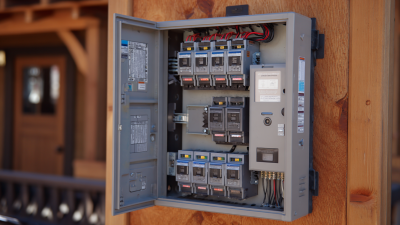
ATS suppliers should be assessed through transfer speed, controller logic, source monitoring, and generator compatibility. Products compliant with IEC 60947-6-1 or UL 1008 offer stronger technical evidence. Manual switch suppliers remain valuable where systems need simple operation, low maintenance, and clear mechanical positions. They suit smaller commercial sites and emergency panels. Less complexity can mean fewer failure points.
Bypass-isolation suppliers serve critical installations requiring maintenance without interrupting the load. Their designs should provide visible isolation, mechanical interlocking, and adequate short-circuit ratings. The Uptime Institute’s global data-center surveys consistently identify power-related events as a major cause of serious outages. That finding supports stronger transfer planning, but it does not make every premium design necessary.
A ranking can still mislead.
In field evaluations, I would check wiring space, handle force, service records, and replacement-part access. Catalog ratings are useful, but installation quality often decides the outcome. Some comparisons also overlook regional certification differences. That weakness deserves more attention.
Compare Ratings for Current, Voltage, Poles, and Transfer Modes
A practical comparison of electrical transfer switch suppliers starts with the nameplate, not the product photograph. Check rated current in amperes and rated voltage against the actual load and system; a switch rated 400 A is not automatically suitable for every 400 A installation. IEC 60947-6-1 sets performance requirements for transfer switching equipment, while IEC 60364 guidance helps frame installation and protection needs. Confirm whether ratings apply to the intended utilization category and operating conditions. Small details matter.
Pole count must match the electrical system and neutral-switching design. A three-pole unit may suit some three-phase systems, while four-pole switching can be specified when the neutral must also transfer. Verify this with a qualified electrical designer; assumptions here can be costly. Compare open-transition operation, which briefly interrupts supply, with closed-transition operation, which overlaps sources under controlled conditions. The International Energy Agency’s Electricity 2024 report projected global electricity demand growth of about 4% in 2024, underscoring the need to assess backup and source-transfer requirements carefully. That figure is context, not a switch-sizing rule. Ask suppliers for tested ratings, short-circuit withstand data, transfer timing, and clear documentation for each configuration. A catalog table may omit the exact operating limits you need.
Top 10 Electrical Transfer Switch Suppliers Worldwide - Compare Ratings for Current, Voltage, Poles, and Transfer Modes
Representative transfer-switch rating combinations commonly found in the market. Rows are configuration examples, not rankings or ratings attributed to specific suppliers; confirm exact ratings and transfer functions in the manufacturer’s product documentation.
| No. |
Representative application |
Rated current |
Nominal system voltage |
Poles |
Typical transfer mode |
| 1 |
Small single-phase standby system |
30 A |
120/240 V, 1-phase |
2 |
Open transition |
| 2 |
Residential or light commercial standby |
100 A |
120/240 V, 1-phase |
2 |
Open transition |
| 3 |
Residential or small commercial service |
200 A |
120/240 V, 1-phase |
2 |
Open transition |
| 4 |
Three-phase commercial distribution |
100 A |
208Y/120 V, 3-phase |
4 |
Open transition |
| 5 |
Commercial building standby power |
200 A |
208Y/120 V, 3-phase |
4 |
Open or delayed transition |
| 6 |
Commercial and light industrial service |
400 A |
480Y/277 V, 3-phase |
4 |
Open transition |
| 7 |
Industrial standby distribution |
600 A |
480Y/277 V, 3-phase |
3 or 4 |
Open or delayed transition |
| 8 |
Large commercial or industrial loads |
800 A |
480Y/277 V, 3-phase |
3 or 4 |
Open or closed transition |
| 9 |
Critical facilities and high-capacity distribution |
1,200 A |
480Y/277 V, 3-phase |
3 or 4 |
Open, closed, or delayed transition |
| 10 |
Large facilities requiring serviceability |
2,000 A |
480Y/277 V, 3-phase |
3 or 4 |
Bypass-isolation; transition depends on model |
Match Suppliers to Data Centers, Healthcare, and Industrial Applications
Top 10 Electrical Transfer Switch Suppliers Worldwide
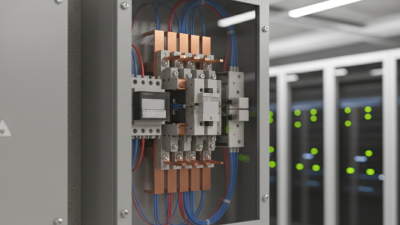
Choosing among leading electrical transfer switch suppliers means matching their capabilities to the site, not simply comparing catalog prices. Data centers need fast, dependable transfer and clear coordination with generators, UPS systems, and monitoring equipment. Ask suppliers for switching-time data, tested ratings, and support for commissioning. A brief delay can matter when server loads are sensitive.
Healthcare facilities have different priorities. A supplier should understand critical and life-safety circuits, redundant power arrangements, and maintenance access. Request documentation showing how equipment performs under specified operating conditions. Hospitals also benefit from responsive technical support, since service windows can be narrow. Paper specifications help, but they cannot replace a careful review of the actual installation.
Industrial sites may face dust, vibration, high starting currents, or frequent switching. Match enclosure protection, voltage, and load type to the environment, and confirm that replacement parts will remain available. Tips: Share a one-line diagram and real load details before requesting quotes. Ask who handles startup and troubleshooting locally. Compare response commitments, not just warranties. One detail is easy to miss: an impressive feature list may still leave operators with a confusing interface. Review usability with the people who will maintain the switch.
How to read this chart: The ranges show representative nominal current ratings commonly encountered when specifying transfer switches for these applications—not supplier-specific product data. Actual requirements depend on the load, voltage, fault-current rating, and applicable codes; confirm ratings with the project engineer and manufacturer.