Selecting the best portable load bank requires more than comparing wattage and prices. The right unit must match the generator, UPS, battery system, or electrical installation being tested. A 50 kW resistive model may suit routine generator checks, while a resistive-reactive unit may better simulate real motor loads.
Practical experience matters here. A unit can meet its rating yet remain unsuitable for the worksite. Consider transport weight, wheel size, lifting points, cable length, ventilation, and control-panel visibility. A loud cooling fan may be acceptable outdoors but disruptive inside a hospital or data center. Check whether the portable load bank supports staged loading, remote operation, and accurate measurement of voltage, current, frequency, and power factor. Small details matter.
Review the manufacturer’s technical data, calibration records, protection features, and maintenance guidance. Independent test reports and clear warranty terms can strengthen confidence. Qualified technicians should also confirm connection methods and site requirements before energizing the equipment. Never treat a compact design as proof of simple operation. It may still require careful airflow planning and thermal clearance.
The ideal choice balances capacity, portability, safety, control, and long-term reliability. Budget remains important, but the cheapest model can create testing gaps or costly delays. I have seen specifications appear complete until cable reach or cooling limitations changed the entire plan. That is worth questioning. This guide explains how to compare each factor and choose a portable load bank with evidence, not assumptions.
Choosing a portable load bank starts with the test objective, not the equipment catalog. Define the generator’s rated output, voltage, phase, frequency, and connection method. Confirm whether the test covers resistive, reactive, or combined loads. A standby generator may appear healthy at no load, yet fail when cooling fans, pumps, and controls operate together.
Make the load profile realistic. For example, a 500 kW generator may require testing at 25%, 50%, 75%, and 100% capacity. Record voltage stability, frequency response, fuel use, exhaust temperature, and alarm behavior at each step.
Uptime Institute’s 2024 Annual Outage Analysis reported that 54% of surveyed outages created costs above $100,000. That figure makes incomplete commissioning difficult to justify.
My first specification was wrong.
I focused on maximum capacity and ignored site access. A better requirement includes footprint, lifting points, cable length, ventilation, noise, weather protection, and operator clearance. The load bank must also match the generator’s duty cycle and the site’s available connection equipment.
Portable testing often happens outdoors, where heat and dust reduce cooling performance. Allow margin above the target load. A 600 kW unit may be more practical than a 500 kW unit for a 500 kW test.
The Ponemon Institute’s Cost of Data Center Outages report estimated average outage costs at approximately $740,000. That older figure is not a universal forecast, but it highlights the value of documented, repeatable testing.
Define acceptance limits before energizing the load bank, and leave room to revise them after the first field test.
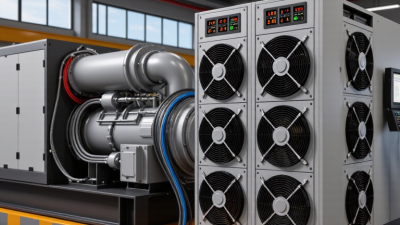
A portable load bank should match the generator’s real operating conditions, not just its advertised output. Check both continuous and peak load capacity before selecting a unit. A 500 kW generator may need a 400 kW test, but adding future expansion can prevent repeated rentals. I have seen technicians overload a small unit during cold-start testing. That mistake creates heat, delays, and unreliable results. Leave practical headroom, but avoid paying for excessive capacity.
Voltage range is equally important. Confirm the generator’s rated voltage, acceptable tolerance, and connection method. A unit designed for 400 volts may not suit a 480-volt system without proper adjustment. Review frequency too, especially when testing equipment used across different regions. During field work, I record the nameplate data and measure voltage with a calibrated meter. Memory is not enough. Cables also need suitable current ratings and sufficient length for airflow and safe placement.
Phase compatibility can quietly cause testing problems. Single-phase, three-phase, and split-phase systems require different load-bank configurations. Verify phase sequence, neutral requirements, and whether the load is balanced. An unbalanced test may hide a weak generator phase. I once accepted a factory specification too quickly and overlooked a neutral connection requirement. The test had to be repeated. That experience still influences my checklist. Look for clear manuals, traceable test instruments, service records, and documented protection against overheating. Local electrical professionals should review the setup before energizing the equipment.
Evaluate Portability, Cooling, Controls, and Operating Conditions
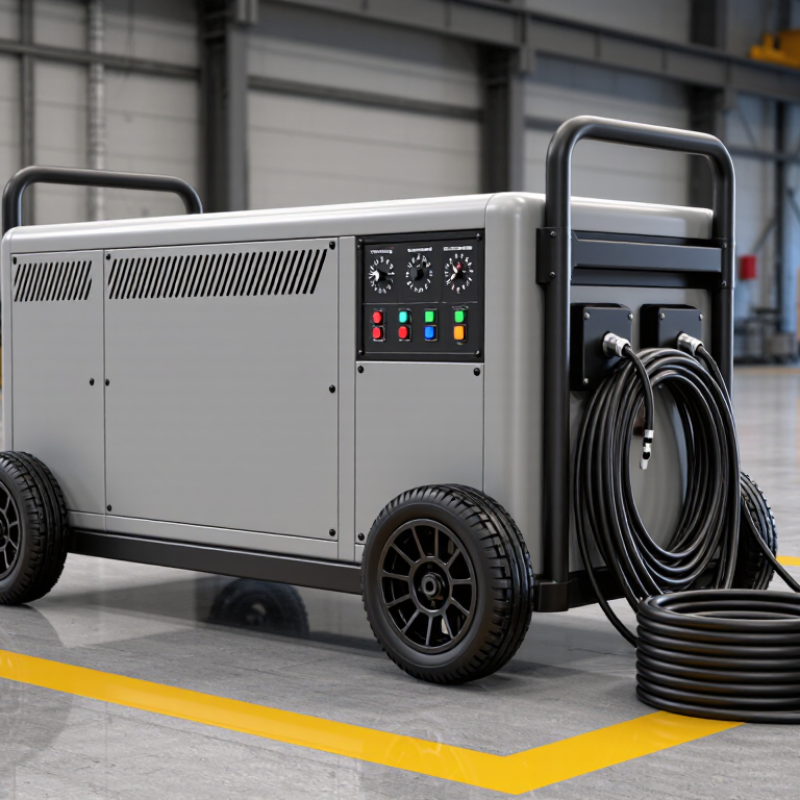
A portable load bank should be easy to move, but low weight is not the only concern. Check its handles, wheels, lifting points, and overall balance. On site, technicians may push it across gravel or lift it into a service vehicle. A compact frame helps, yet a very small design may limit capacity or cooling performance. That trade-off deserves careful attention.
Cooling becomes critical during extended testing. Airflow must remain clear around the intake and exhaust areas. In hot weather, direct sunlight can raise operating temperatures quickly. Choose equipment with visible temperature monitoring, reliable fans, and protective shutdown functions. Controls should be simple enough for a technician wearing gloves. Digital displays are useful, but unclear menus can slow a real test. I have found that practical layout often matters more than advanced features.
Tips: Confirm the required voltage, frequency, load steps, duty cycle, and connection method before purchase. Leave sufficient space around the unit. Test the controls before connecting it to valuable equipment. Read the operating limits carefully.
Operating conditions can change the result. High altitude, dust, humidity, and restricted ventilation may reduce performance. A load bank rated for a cool workshop might behave differently outdoors. That possibility is easy to overlook. Review service access, inspection intervals, and emergency procedures with qualified personnel. Choosing a slightly larger unit may improve flexibility, but it can also increase transport effort and power requirements. There is no perfect design. The best choice fits the actual testing environment.
Safety features should guide every portable load bank decision. In field testing, inspect the enclosure, grounding point, airflow path, and cable condition before connecting equipment. Look for emergency-stop controls, overcurrent protection, thermal cutouts, and clear warning labels. An emergency stop must be easy to reach. Do not guess.
Measurement accuracy matters when test results support maintenance records or equipment acceptance. Choose a unit with stable voltage, current, frequency, and temperature readings. Ask for recent calibration certificates with traceable references. Check whether the display remains accurate during changing load steps. Readings can drift when sensors heat up.
I once trusted a stable-looking display without checking calibration status. That mistake weakened the entire test report.
Compliance requires more than a printed symbol on the enclosure. Review the technical file, operating limits, inspection records, and applicable electrical safety requirements. Confirm that the load bank matches local site procedures and the generator’s rated output. A properly documented unit is easier to approve, operate, and service. Keep training records for every operator. Portable equipment is often moved, stored, and reconnected under pressure. That is where small oversights become serious. Recheck ventilation clearance, cable routing, and grounding each time, even when the previous test went well.
Choosing the best portable load bank starts with the total cost, not the purchase price. In field testing, transport, setup time, and energy consumption often affect the budget more than expected. A lighter frame can reduce handling effort and protect equipment during repeated site visits. However, low weight may mean fewer cooling options or lower continuous capacity. Check the duty cycle carefully.
Ask the supplier for clear technical data, calibration records, spare-part availability, and realistic delivery times. Good support should include trained engineers, practical troubleshooting, and fast answers during commissioning. Remote guidance helps, but it cannot replace a technician who understands your operating conditions. Response time matters.
Serviceability deserves equal attention. Inspect access panels, cable connections, cooling fans, meters, and protective devices before buying. Parts should be replaceable without dismantling the entire enclosure. Simple maintenance procedures reduce downtime and technician hours. I once selected a compact model because it looked efficient. That assumption was wrong. Its restricted airflow made cleaning difficult, and routine checks took twice as long. Leave space for future repairs. A detailed service manual and accessible components can matter more than a polished exterior.
| Evaluation Dimension | Compact Resistive Model | Standard Resistive Model | High-Capacity Resistive Model | Resistive-Reactive Model | Selection Guidance |
|---|---|---|---|---|---|
| Typical Rated Capacity | 5–20 kW | 25–100 kW | 125–500 kW | 100–1,000 kW | Choose a rating at least 10–20% above the maximum test requirement. |
| Typical Voltage Range | 120–480 V AC | 208–600 V AC | 208–690 V AC | 208–690 V AC; frequency-dependent | Verify voltage, phase, frequency, and connection requirements before ordering. |
| Load Type | Resistive | Resistive | Resistive | Resistive and inductive/reactive | Use a reactive model when testing motors, transformers, UPS systems, or alternators under lagging power factor. |
| Power Factor Capability | 1.0 | 1.0 | 1.0 | Typically adjustable from 1.0 to approximately 0.8 lagging | Confirm the required power factor range from the test procedure. |
| Load-Step Resolution | 1–2.5 kW steps | 5–10 kW steps | 10–25 kW steps | 5–50 kW, depending on configuration | Smaller steps provide better control during commissioning and fault diagnosis. |
| Cooling Method | Forced-air cooling | Forced-air cooling | High-volume forced-air cooling | Forced-air cooling with separate reactive components | Ensure adequate ventilation and clearance at the installation site. |
| Typical Weight | 30–90 kg | 100–300 kg | 350–1,200 kg | 500–2,000 kg | Check lifting points, casters, transport access, and trailer requirements. |
| Typical Enclosure Rating | IP20–IP23 | IP23–IP24 | IP23–IP54, depending on enclosure | IP23–IP54, depending on enclosure | For outdoor work, confirm the exact IP rating and weather-protection requirements. |
| Continuous Operating Capability | Commonly 1–4 hours, subject to ambient conditions | Commonly continuous at rated load with adequate airflow | Continuous operation commonly available | Continuous operation subject to reactive-component limits | Review the duty cycle, ambient-temperature derating, and thermal protection specification. |
| Typical Purchase Cost | US$3,000–8,000 | US$8,000–25,000 | US$25,000–70,000 | US$40,000–150,000+ | Budget for shipping, cables, connectors, commissioning, calibration, and spare parts. |
| Serviceability | Simple access to fuses, controls, fans, and resistive elements | Replaceable fans and modular load sections | Modular cabinet sections; planned inspection required | More complex inspection of reactors, controls, fans, and switching devices | Prioritize accessible panels, standard components, wiring diagrams, and replaceable modules. |
| Recommended Support Level | Documentation and remote technical support | Remote support plus commissioning guidance | Commissioning, training, and scheduled service support | Application engineering, commissioning, and specialist service support | Match the support package to system complexity and the cost of test downtime. |
| Best Use Case | Small generators, battery systems, and field troubleshooting | Commercial generators, UPS systems, and routine commissioning | Large standby generators, data centers, and industrial systems | Alternator, motor, transformer, and UPS performance testing | Select according to the equipment under test, not only the purchase price. |
Note: Cost, capacity, weight, and specifications are typical industry ranges for new portable load banks and vary with voltage, frequency, enclosure, controls, accessories, certification, and shipping requirements.