China Top Welding Cable Connectors Suppliers
China has become an important sourcing base for welding cable connectors, serving fabricators, distributors, and equipment manufacturers worldwide. This guide examines leading Chinese suppliers through practical purchasing criteria, not promotional claims alone. Product range, conductor compatibility, insulation quality, connection stability, and production consistency all deserve close attention.
A reliable supplier should provide clear technical data, including rated current, cable size, contact material, temperature resistance, and connector dimensions. Factory experience also matters. Ask whether the supplier performs crimp testing, pull testing, heat testing, and continuity checks during production. Photos of assembly lines can help, but inspection records are stronger evidence.
Look for real capability.
Experienced buyers often request samples before placing larger orders. A connector may appear solid yet loosen after repeated welding cycles or cable movement. Small details matter, such as spring tension, protective boots, locking design, and resistance to dust and workshop moisture. These features influence operator safety and maintenance costs.
Supplier evaluation should also include communication, lead times, packaging, customization, and after-sales support. Certifications such as ISO systems, CE documentation, UL recognition, or applicable IEC and EN compliance may support credibility, but each document requires verification. Requirements differ by destination market.
No supplier looks perfect on paper. That is worth remembering. A lower price can hide inconsistent plating, weak molding, or limited quality control. A higher price does not automatically guarantee better performance. This overview helps readers compare China welding cable connectors suppliers with evidence, realistic expectations, and a careful focus on long-term reliability.
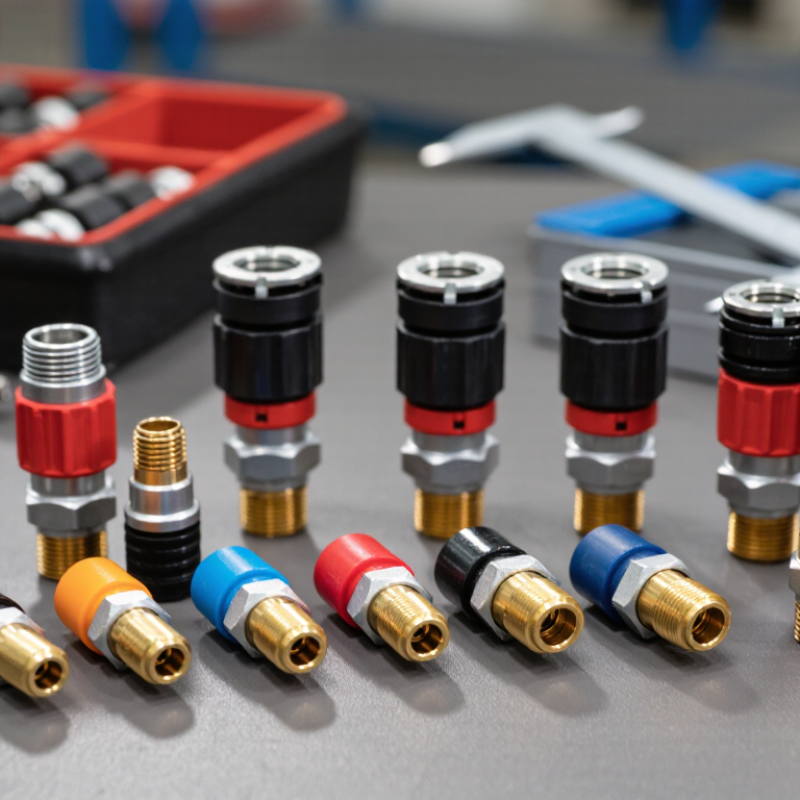
Welding Cable Connectors: IEC 60974-12 Requirements and 200–600 A Ratings
China Top Welding Cable Connectors Suppliers
IEC 60974-12 defines safety and performance requirements for welding circuit couplers. It addresses insulation, contact protection, mechanical connection, and resistance to heat. A 2024 welding equipment report from Fortune Business Insights valued the global market at about USD 16.8 billion in 2023. This growth increases demand for dependable cable connectors, especially in fabrication and infrastructure projects.
Ratings between 200 A and 600 A need careful interpretation. The stated current is not always continuous current. Duty cycle, cable size, ambient temperature, and connection quality can change real performance. A 600 A connector may overheat when paired with an undersized cable. That detail is easy to miss. IEC 60974-12 compliance should include test evidence, dimensional control, and clear polarity identification. Buyers should also verify insulation condition after repeated coupling. A connector can pass a bench test and still fail in a dusty workshop.
Tips: Request the test report, rated duty cycle, cable range, and temperature-rise data. Check the plug and socket together. Do not judge quality by amperage alone. Reports from MarketsandMarkets identify automation and heavy manufacturing as major welding equipment growth areas. This suggests more demanding connector use, but market forecasts do not replace product-level verification. Supplier documentation can still be incomplete. Inspect samples before approving bulk orders.
Connector Types for 10–120 mm² Welding Cables and Their Applications
China Top Welding Cable Connectors Suppliers
Connector selection depends on cable size, welding current, duty cycle, and working conditions. For 10–25 mm² cables, compact twist-lock connectors suit light fabrication, repair benches, and portable welding machines. They offer quick coupling and reasonable strain control. For 35–70 mm² cables, single-pole welding connectors provide stronger contact pressure and better heat handling. They are common in workshops, shipyards, and construction sites. For 95–120 mm² cables, heavy-duty cam-type connectors are practical for high-current welding systems and longer cable runs. Their locking mechanism reduces accidental separation during movement.
Tips: Match the connector to the cable’s actual outside diameter. Check contact resistance, insulation temperature, and duty-cycle ratings. A connector that feels tight may still overheat.
Field experience shows that fitting quality matters as much as connector type. Poorly crimped lugs can create hot spots near the sleeve. Clean copper surfaces before assembly. Keep polarity clearly marked when several cables share a work area. Waterproof covers help in damp locations, but they cannot repair damaged insulation. This is often overlooked. Inspect connectors after heavy use, especially when the housing feels warm or shows discoloration. Ratings can vary between suppliers, so verify test data and applicable electrical standards before purchase. A small mismatch may cause costly downtime.
China Top Welding Cable Connectors Suppliers - Connector Types for 10–120 mm² Welding Cables and Their Applications
The chart shows typical welding-current ranges associated with common cable cross-sections. Smaller cables are generally used with compact inverter welders, while larger sizes support higher-current systems and longer cable runs. Twist-lock connectors are common for 10–25 mm² cables, cam-type connectors are widely used for 35–70 mm² cables, and heavy-duty bolted or high-current quick-connect systems are suitable for 70–120 mm² cables. Actual selection should be verified against duty cycle, cable length, ambient temperature, and the connector manufacturer’s specifications.
China Supplier Evaluation by Copper Grade, Contact Resistance, and IP44–IP67 Protection
When evaluating China’s welding cable connector suppliers, copper grade should be verified, not assumed. Request material certificates and compare them with a cut sample from production. High-conductivity copper can reduce voltage loss during demanding welding cycles. Copper plating may improve surface durability, but it does not replace a suitable base metal. Ask whether the contact path uses copper, brass, or a mixed construction. Each choice changes heat behavior and service life.
Contact resistance deserves a controlled test. I would measure milliohm values after tightening the connector to its specified torque. Then repeat the test after several connection cycles. A stable reading matters more than an attractive catalog number. Inspect the contact face for pits, uneven plating, or weak spring pressure. Small defects can create hot spots under high current.
Measure twice.
IP protection must match the working environment. IP44 resists splashing water and objects above one millimeter, but it is unsuitable for heavy washdown. IP67 offers dust-tight construction and temporary immersion protection, provided the seal is correctly fitted. Request test conditions, gasket material, and inspection records from the supplier. Samples should be checked with the cable installed, because unused ports can hide sealing weaknesses. A supplier that explains limits clearly is usually more dependable. Still, no evaluation is perfect; field dust, heat, and operator handling can change results.
Quality Verification Through ISO 9001, 100% Continuity Testing, and Load-Cycle Tests
China Top Welding Cable Connectors Suppliers
Quality Verification Through ISO 9001, 100% Continuity Testing, and Load-Cycle Tests
Reliable welding cable connectors are proven on the production floor, not by polished claims. Experienced suppliers document each stage, from copper preparation to crimp inspection and final packing. ISO 9001 supports this discipline through controlled procedures, traceable records, corrective actions, and regular internal audits. Certification alone is not enough. Its value depends on daily execution.
Every connector should receive 100% continuity testing before shipment. Technicians use calibrated meters to check the complete electrical path. They also inspect contact fit, insulation damage, and visible crimp deformation. A failed unit is isolated, recorded, and investigated. This simple habit prevents one hidden defect from reaching a welding station. Small details matter.
Load-cycle testing adds a more realistic challenge. Samples are connected, heated, cooled, and repeatedly energized under defined conditions. Inspectors monitor resistance changes, terminal movement, and surface temperature. The goal is stable performance after repeated use, not only a strong first reading. Testing plans may need refinement when field feedback reveals unusual cable routing or harsh work areas. No laboratory fully copies every workshop. That limitation deserves honest review. Suppliers who share test methods, batch records, and corrective actions offer stronger evidence of reliability. Buyers should still verify current reports before placing large orders.
Comparing China’s Top Suppliers by Certifications, MOQ, Lead Time, and 12-Month Warranty
When comparing China’s top welding cable connector suppliers, certifications should be checked before price.
Reliable factories can provide current ISO 9001 records and product test reports. Depending on the market, ask for CE, RoHS, or other applicable compliance documents. Check the certificate number, issuing body, and product scope. A document alone proves little.
MOQ often separates flexible suppliers from high-volume factories.
Some accept 100 pieces for standard connectors, while custom molds may require 500 or more. Lead time also needs careful checking. Samples may ship within seven days, but bulk orders can take 20 to 35 days. Confirm whether production starts after deposit, artwork approval, or final inspection. In my sourcing experience, unclear milestones cause more delays than manufacturing itself. I once underestimated packaging approval. That mistake added several days.
Tips:
Request a sample, inspection checklist, and written production schedule. Compare warranty terms closely. A dependable supplier may offer a 12-month warranty covering manufacturing defects, with clear evidence requirements and response times. Ask whether cable crimping, heat damage, or incorrect installation is excluded. Keep photos, batch numbers, and test records. These details support a fair claim. Do not rely on vague promises. Written terms matter.