How to Choose a Dual Power Automatic Transfer Switch?
When selecting a dual power automatic transfer switch, careful consideration is essential. This decision can significantly impact the reliability of your power supply. The right transfer switch ensures that your equipment operates seamlessly, even during a power outage.
Your choice should reflect your specific needs. Look for features that enhance safety and efficiency. For instance, consider automatic voltage regulation capabilities. These can help maintain the quality of your power supply. It's crucial to understand the load requirements of your systems. An insufficient switch could lead to failures that disrupt operations.
Pricing is another factor to weigh. While cheaper options exist, they may compromise quality. Remember, a dual power automatic transfer switch is an investment in reliability. Seek a balance between cost and functionality. This acknowledgment of potential imperfections in the market can guide your decision-making process. Ultimately, prioritize reliability and performance to ensure long-term satisfaction.
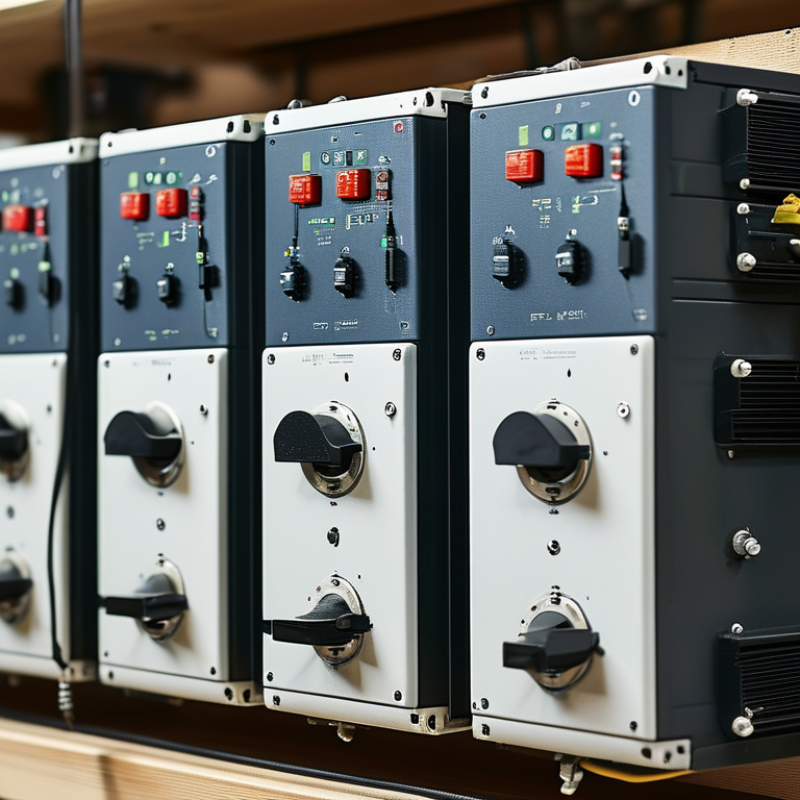
Understanding the Basics of Dual Power Automatic Transfer Switches
Choosing a dual power automatic transfer switch (ATS) requires understanding its key functions.
An ATS automatically switches between two power sources, ensuring uninterrupted power supply.
According to industry reports, 70% of businesses rely on dual power systems to enhance reliability
during outages. This device is vital for critical operations such as hospitals and data centers,
where even moments of downtime can result in significant losses.
When considering an ATS, it's important to assess the load requirements and switching times.
Typically, a delay of mere seconds can create challenges in sensitive environments. Data shows
that a rapid switch time is crucial, with optimal models achieving transfer times of less than
a second. Reflecting on past incidents can highlight the need for reliable systems. Companies
that overlooked ATS installations faced outages that led to costly damages.
Being informed about installation challenges and maintenance needs is also essential. Though
manufacturers provide guidelines, experiences often reveal gaps. Engaging with professionals
can offer insights into real-world applications. Reliability is paramount, but it's equally
vital to ensure that the chosen system aligns with specific operational needs. Balancing these
factors thoughtfully can lead to more informed decisions.
Key Factors to Consider When Choosing a Dual Power ATS
Choosing a dual power automatic transfer switch (ATS) requires thoughtful consideration of various factors. Understanding your specific power needs is critical. Assess your power supply sources and load requirements. Consider whether your application is residential, commercial, or industrial. Each setup has unique demands that will influence your choice.
Compatibility is another key factor. Ensure the ATS is suitable for the voltage and frequency of your power sources. Not all switches are designed for the same environments. Evaluate the installation space and accessibility as well. Compact models may be necessary for limited areas, but ensure they still meet safety standards.
When selecting a dual power ATS, think about the control features. Advanced models may offer smart functions for real-time monitoring. Features like automatic diagnostics can improve reliability. It’s vital to choose a controller with a user-friendly interface to simplify operations. Regular maintenance and testing are essential, despite the automation. Prioritize equipment from reputable manufacturers to enhance safety and longevity. The right balance between automation and manual intervention can lead to a more efficient power management system.
How to Choose a Dual Power Automatic Transfer Switch? - Key Factors to Consider When Choosing a Dual Power ATS
| Key Factor |
Description |
Importance |
Considerations |
| Power Rating |
The maximum power the ATS can handle. |
High |
Ensure it matches or exceeds your load requirements. |
| Transfer Time |
The time it takes to switch from the main power to the backup. |
Medium |
Look for quick transfer times for sensitive equipment. |
| Number of Poles |
The number of electrical circuits the switch can control. |
Medium |
Choose based on your system configuration (single-phase or three-phase). |
| Control Features |
Options for manual overrides, remote monitoring, etc. |
High |
Consider automation needs and control interfaces. |
| Environment Compatibility |
Designed to operate in specific conditions (temperature, humidity). |
Medium |
Select an ATS that matches your installation environment. |
| Regulatory Compliance |
Meeting local and international electrical standards. |
High |
Ensure the ATS conforms to relevant regulations. |
| Warranty and Support |
Manufacturer's warranty terms and support services. |
Medium |
Check for comprehensive warranty coverage and service options. |
Evaluating Power Requirements and Load Capacity
Choosing a dual power automatic transfer switch requires careful assessment of your power needs. Evaluating your power requirements begins with identifying all the devices that will use electricity. Make a list with their wattage consumption. This will help estimate the total load you need the switch to handle.
Load capacity is crucial. An undersized switch may not adequately support your needs during a power outage. Conversely, an oversized switch could lead to increased costs and inefficiencies. For residential settings, consider typical appliances and systems, such as heating, cooling, and any emergency systems.
It's essential to factor in starting loads, which can surge higher than running loads. This becomes especially important for motors found in appliances. Pay close attention to power ratings and ensure your transfer switch can cope with these spikes without failing.
Think about your future needs too. As you add more devices, your power requirements may change. It’s wise to choose a switch with some extra capacity to adapt to these potential additions. Sometimes, taking the time to assess can reveal weaknesses in your current setup, prompting necessary upgrades.
Compatibility with Existing Electrical Systems and Generators
When selecting a dual power automatic transfer switch (ATS), compatibility with existing electrical systems and generators is crucial. Every system has unique requirements based on its capacity and configuration. A mismatch could lead to inefficiencies or failures. It's essential to assess the specifications of your current setup and ensure that the new ATS can handle the load without issues.
Your generator must also integrate smoothly with the ATS. This includes checking voltage ratings and phase configurations. Many homeowners overlook this detail, thinking any switch will work. A generator that cannot properly communicate with the ATS may cause unexpected disruptions. Ensure the ATS has the right amperage and circuitry to match both the generator and your home’s wiring.
It's worth reflecting on past experiences. Many individuals have faced difficulties due to compatibility issues. They often wish they had paid more attention to specifications. This can lead to costly repairs and inconvenience. Always confirm that both the ATS and generator are compatible with your home’s electrical demands to prevent such situations. Prioritizing this compatibility can lead to a smoother power transition and long-term reliability.
Maintenance and Safety Features of Dual Power ATS Options
When selecting a dual power automatic transfer switch (ATS), maintenance and safety features are critical. These components ensure reliability during power outages. According to industry reports, improper maintenance can lead to failures in 30% of ATS installations, emphasizing the need for regular inspections.
Safety features typically include overload protection and surge suppression. These can prevent equipment damage and enhance operational safety. Moreover, state-of-the-art ATS options offer remote monitoring capabilities. This feature allows for real-time diagnostics, ensuring swift troubleshooting. Regularly scheduled maintenance checks should address contact wear, integrity of insulation, and operational functionality.
Consider these tips to enhance your ATS's longevity. Schedule bi-annual professional check-ups. Inspect the switch for signs of overheating. Keep the installation area free of dust and debris. A well-maintained ATS can significantly reduce operational downtime, boosting your overall power stability.