Top Welding Cable Tips for Reliable Performance in Your Projects?
Welding cables are critical for ensuring reliability in high-stakes projects. Industry expert John Smith states, "Quality welding cables are the backbone of any successful welding operation." This highlights the importance of selecting the right cables for maximum performance. A suitable welding cable can endure extreme conditions and carry significant current without overheating.
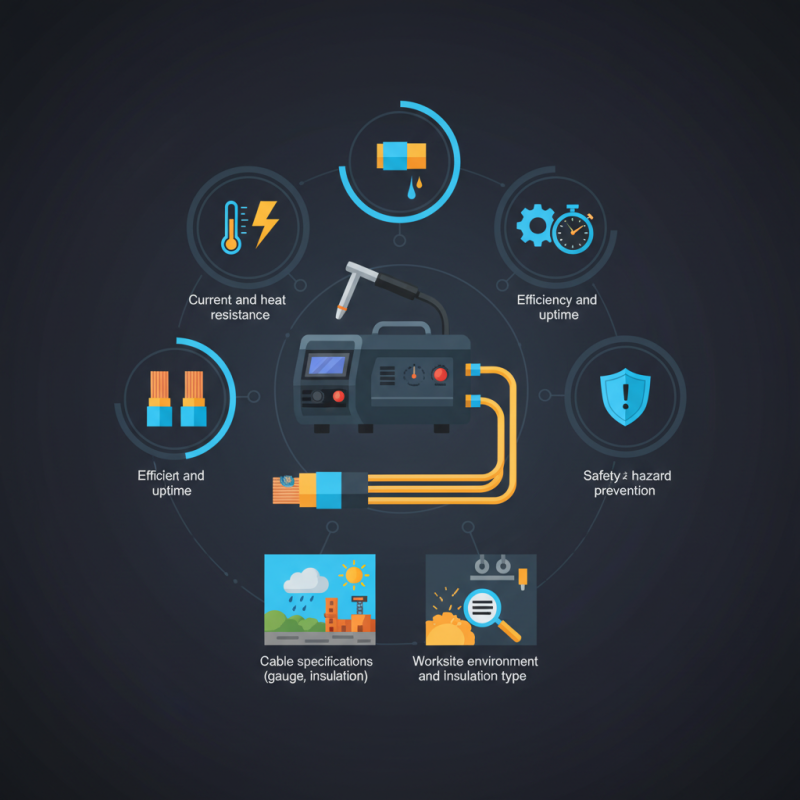
In many projects, professionals overlook the choice of welding cable. This can lead to complications and hazards. Using subpar welding cables can result in decreased efficiency and increased downtime. It's essential to understand cable specifications, such as gauge and insulation type. A mismatch can compromise safety and lead to costly repairs.
Considering various factors is vital. For instance, the environment of the worksite dictates cable selection. Outdoor jobs may require weather-resistant insulation. Yet, many professionals fail to prioritize this aspect. It's crucial to reflect on how such decisions directly impact project outcomes. Proper attention to welding cable choices fosters reliability and enhances overall success.
Understanding Welding Cable Specifications for Optimal Performance
When selecting welding cables, it’s crucial to understand specifications that impact performance. Ampacity, the current-carrying capacity, directly influences safety and efficiency. Using a cable with insufficient ampacity can lead to overheating. This problem can damage equipment and create hazardous conditions. Consider the thickness of the cable as a primary factor. A thicker cable generally offers better performance, but it can be less flexible.
Another key specification to review is insulation type. Common materials include rubber and PVC, each providing different levels of durability and flexibility. Rubber cables are often more resilient but can be heavier. Flexibility matters greatly, especially in tight spaces. A cable that is too stiff can impede movement during welding. Also, evaluate the cable length for your tasks. Longer cables may cause voltage drops, affecting your welding quality.
Remember, not all welding projects require the same cables. Evaluate your specific needs. You might find that the best choice is not always the most expensive or the thickest wire. Make informed decisions based on the details of your specific project. A little reflection here can save time and materials in the long run.
Top Welding Cable Tips for Reliable Performance in Your Projects
| Cable Type |
Wire Gauge |
Ampacity (A) |
Insulation Type |
Recommended Use |
| Welding Cable |
4 AWG |
240 A |
EPDM |
MIG and TIG Welding |
| Welding Cable |
6 AWG |
200 A |
Thermoplastic |
Light Industrial Use |
| Welding Cable |
8 AWG |
150 A |
PVC |
Home Use and Maintenance |
| Welding Cable |
10 AWG |
120 A |
Rubber |
Light Duty Applications |
Choosing the Right Welding Cable Size and Type for Your Project
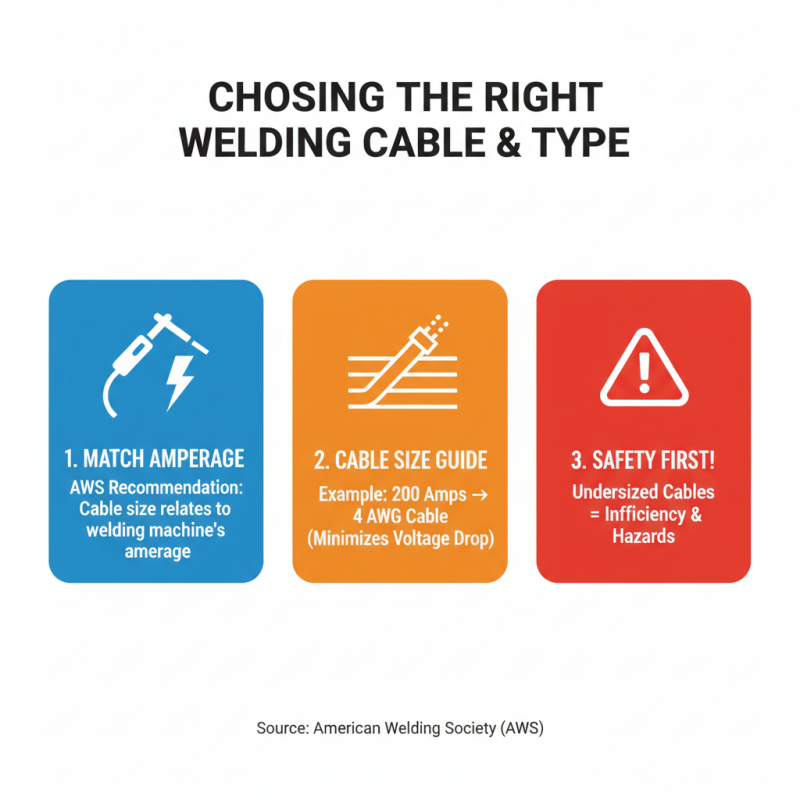
Choosing the right welding cable size and type is crucial for optimal performance in welding projects. The American Welding Society (AWS) recommends that the cable size is directly related to the amperage of the welding machine in use. For instance, a cable rated for 200 amps typically requires a size of 4 AWG to ensure minimal voltage drop and overheating during operation. Selecting a cable that is undersized can lead to inefficiencies and safety hazards.
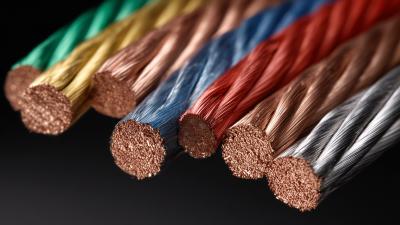
The type of welding cable also matters. Flexible, stranded copper cables are preferred for their durability and conductivity. A report from the Institute of Electrical and Electronics Engineers (IEEE) indicates that copper cables can carry up to 50% more current than aluminum cables of the same size. However, it's important to note that the environment can impact cable performance. Extreme temperatures and exposure to moisture can deteriorate insulation over time, increasing the risk of failure.
When selecting welding cables, consider both length and terrain. Longer cables can lead to more voltage drop, which can affect the quality of the weld. Additionally, uneven or rough surfaces can cause wear on the cable, which may not be immediately noticeable. Periodic inspections are essential to catch issues early and ensure reliable performance in your welding projects.
Proper Storage and Maintenance Tips for Welding Cables
Proper storage and maintenance of welding cables are crucial for ensuring reliable performance in any project. Cables should be stored in a dry environment to prevent moisture buildup. Moisture can lead to corrosion and deterioration. Ideally, cables should be coiled neatly and hung up to avoid kinks or bends. Kinks can create weak points in the cable, leading to potential failures during use.
Regular inspections are also vital in maintaining the integrity of welding cables. Look for signs of wear, such as fraying or exposed wires. If any damage is found, do not hesitate to repair or replace the cable. Ignoring these signs can lead to hazards and costly mistakes. Cleaning the cables with a damp cloth can help remove dirt and debris that accumulate over time.
It's essential to remember that improper storage may lead to long-term issues. Flexible cables can become stiff if not handled properly, reducing their effectiveness. Always be mindful of how cables are stored and used. Even minor oversights can affect performance. Take time to develop a proper maintenance routine to ensure your welding cables remain safe and effective for all your projects.
Safety Considerations When Using Welding Cables
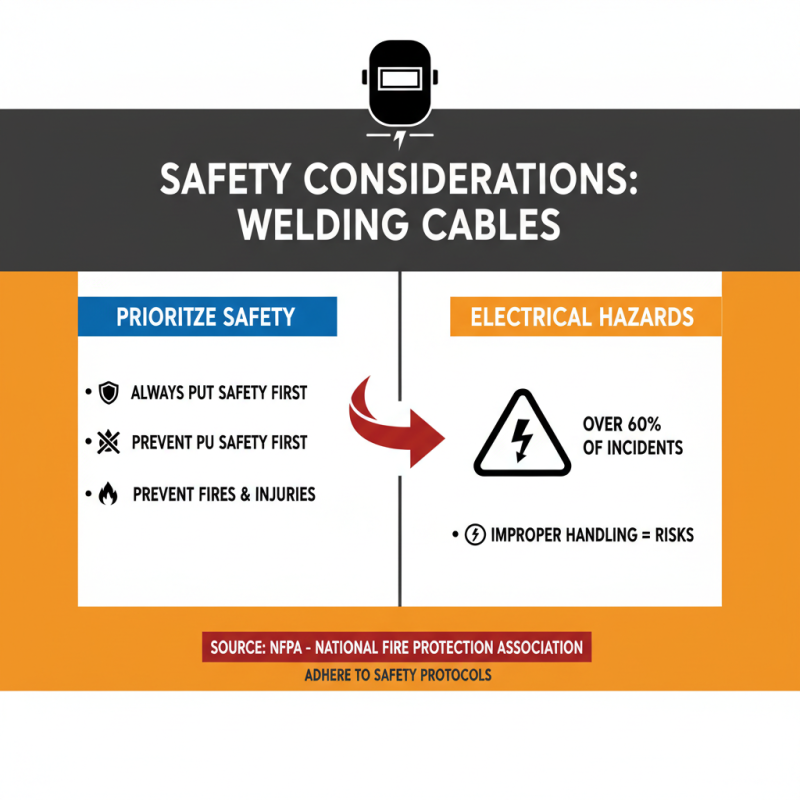
When using welding cables, safety must always come first. According to the National Fire Protection Association (NFPA), improper handling of welding cables is a significant cause of workplace injuries. Over 60% of welding-related incidents can be traced back to electrical hazards, underscoring the importance of adhering to safety protocols.
Choosing the right welding cable is crucial. Selecting cables with the right insulation can prevent overheating and short circuits. Understanding gauge sizes is essential as well; thicker cables have lower resistance, reducing the risk of overheating. However, not all work environments are the same. Consider the specific demands and conditions of your project before making a choice.
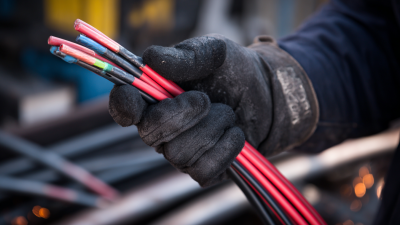
Inspect welding cables regularly for damage or wear. Frayed insulation or exposed wires can lead to shocking incidents. Always use proper PPE, such as gloves and goggles, tailored for electrical work. Remember, the first step towards safety is awareness. Practicing careful handling can greatly reduce risks. Being vigilant can save lives and ensure project success in the long run.
Common Mistakes to Avoid with Welding Cable Usage
Welding cables are essential for reliable performance in various welding projects. However, many users overlook critical aspects that can lead to failure. One common mistake is using cables with incorrect gauge sizes. A cable that is too thin can increase resistance and generate excess heat. According to the American Welding Society, the wrong gauge may lead to a 20% efficiency loss during operation.
Another frequent oversight is not checking for wear and tear. Cables can be damaged due to abrasion, exposing the conductor and increasing the risk of short circuits. Regularly inspecting your cables can prevent electric shock hazards and ensure optimal performance. The National Fire Protection Association found that over 35% of electrical fires are linked to damaged wiring, including welding cables.
Improper storage also poses risks. Cables left in harsh environments can deteriorate quickly. The rubber insulation may crack, and moisture can lead to corrosion. Keeping your cables in a cool, dry place can extend their lifespan. Reflecting on these aspects can improve safety and efficiency in your welding tasks.