Skip to content
Menu Close

What Is the Best Spider Box for Global Buyers?

Choosing the best spider box for global buyers requires more than comparing prices or outlet counts. A reliable unit must match the project’s voltage, frequency, plug type, load profile, and working environment. A box used beside a dusty construction site needs different protection from one used indoors for temporary event power. Small details matter. Cable length, socket spacing, handle strength, and clear labeling can affect daily safety and efficiency.

This guide examines spider box designs through a practical purchasing lens. It considers enclosure materials, circuit protection, grounding arrangements, residual-current protection, thermal performance, and inspection access. Buyers should also request test records, product specifications, factory quality procedures, and evidence of compliance with relevant regional standards. A supplier’s technical response often reveals more than polished product photos. Ask direct questions. Check every claim.

There is no universal best model. A compact unit may travel easily but limit expansion. A larger unit may support more equipment but increase transport costs and handling risks. Even experienced buyers can overlook local connectors or unsuitable weather protection. That is worth admitting. Careful selection remains essential.

The following overview helps importers, contractors, event suppliers, and distributors compare options with greater confidence. It focuses on dependable performance, transparent documentation, and realistic operating conditions. The goal is not to promote one product blindly. It is to identify the spider box that fits the buyer’s market, equipment, workforce, and long-term service expectations. Safety comes first. Reliability follows.
What Is the Best Spider Box for Global Buyers?

What Is a Spider Box and How Does It Work?

What Is a Spider Box and How Does It Work?

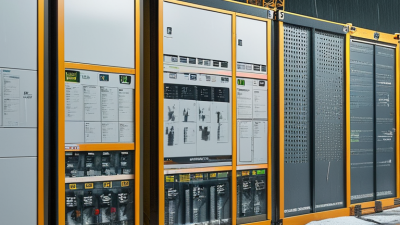
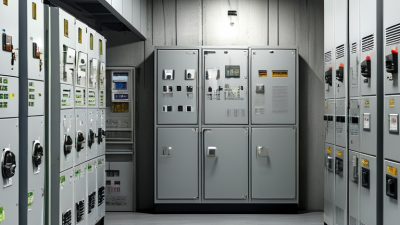
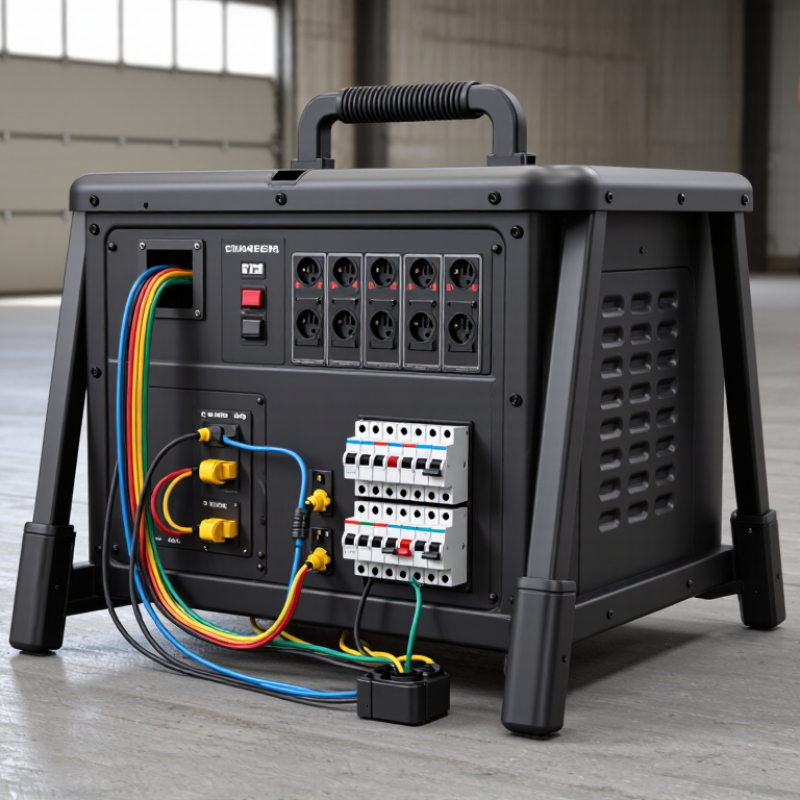
A spider box is a portable electrical distribution unit for construction sites, events, workshops, and temporary facilities. It receives power through an inlet, then divides it across protected outlets. Inside, circuit breakers, grounding points, and GFCI or RCD protection help control electrical risks. Some units also include phase indicators, voltage meters, or emergency shutoff switches.

The best spider box for global buyers depends on the supply system, not appearance. Check voltage, frequency, phase configuration, amperage, plug standards, enclosure rating, and cable length. NFPA’s Home Electrical Fires report recorded about 32,000 such fires annually in the United States from 2015 to 2019. That figure is not a spider-box statistic, but it shows why protection cannot be treated as decoration. IEC 60364-7-704 also addresses electrical installations on construction sites. Local requirements still matter. A box accepted in one country may need different connectors or testing elsewhere. I would not call any model universally best. That claim is too neat.

Tips: Ask for test certificates, wiring diagrams, ingress protection details, and thermal limits. Confirm the RCD or GFCI trip rating with a qualified electrician. Inspect the enclosure after transport. A cracked socket cover is small, but not harmless. Test the unit under realistic load, because an empty bench test can hide poor performance. The IEA’s Electricity 2024 report expects global electricity demand to grow by more than 4% in 2024 and 2025. Temporary power systems therefore need practical capacity planning, not just more outlets.

What Is the Best Spider Box for Global Buyers? - What Is a Spider Box and How Does It Work?
Spider Box Type Typical Input Rating Typical Output Configuration Built-In Protection Common Enclosure Rating Typical Applications Best Choice When
Portable General-Purpose Spider Box 16–32 A; approximately 110–240 V, depending on the local electrical system 2–6 socket outlets, commonly rated from 10–16 A each Miniature circuit breaker and residual-current protection when specified IP44–IP54 Small construction tasks, maintenance work, workshops, exhibitions, and temporary outdoor power Portability, simple setup, and moderate power demand are the main priorities
Residual-Current Protected Spider Box 16–63 A; voltage and plug standard must match the destination market Multiple single-phase outlets with individual or grouped circuit protection Residual-current device, overcurrent protection, and sometimes test/reset controls IP44–IP65 Construction sites, wet-area maintenance, temporary events, and equipment used by multiple workers Protection against electric shock and leakage current is a key requirement
Event and Production Spider Box 32–63 A; single-phase or three-phase versions are available 4–12 mixed outlets for lighting, audio equipment, video equipment, and general loads Separate branch breakers, residual-current protection, phase identification, and clear labeling IP44–IP65 Temporary stages, outdoor events, broadcast production, fairs, and mobile entertainment systems Several independent circuits and fast identification of connected loads are needed
Three-Phase Distribution Spider Box 32–125 A; commonly 230/400 V or another region-specific three-phase system Three-phase outlets plus single-phase auxiliary outlets Incoming isolator, branch circuit breakers, residual-current protection, and phase indication IP44–IP65 Heavy-duty tools, temporary workshops, industrial maintenance, and larger construction operations High total capacity and balanced distribution across three phases are required
Weather-Resistant Heavy-Duty Spider Box 32–125 A; selected according to the generator, supply cable, and local regulations Rugged outlets with protective covers, often including both single-phase and three-phase connections Overcurrent protection, residual-current protection, main isolation, and cable strain relief IP55–IP66 Outdoor construction, shipyards, agriculture, infrastructure projects, and exposed work areas Dust, rain, splash, and frequent handling create demanding operating conditions
Generator-Compatible Spider Box 16–125 A; must not exceed the generator output or protective-device rating Outlet mix selected for generator-powered tools, lighting, pumps, or temporary facilities Main breaker, branch breakers, residual-current protection, and grounding connection IP44–IP65 Remote work sites, emergency power, disaster-response work, and mobile service operations A reliable interface between a generator and several downstream loads is needed
Compact Low-Load Spider Box 10–16 A; generally intended for low-power single-phase equipment 2–4 outlets, often with one master supply connection Fuse or miniature circuit breaker; residual-current protection may be integrated IP20–IP44 Indoor repair work, laboratories, workshops, small displays, and light-duty equipment Low cost, compact size, and easy storage are more important than high capacity
Selection note: The best spider box depends on the destination country’s voltage, frequency, plug standard, earthing system, required ingress-protection level, maximum connected load, and applicable electrical regulations. The input rating, cable cross-section, protective devices, and outlet ratings must be coordinated; a spider box should not be used above the lowest-rated component in the power chain.

Which Features Matter When Comparing Spider Boxes?

What Is the Best Spider Box for Global Buyers?

When comparing spider boxes, start with electrical compatibility, not appearance. Check the rated voltage, frequency, phase, and maximum continuous load for your destination. A mismatch can damage equipment or create serious hazards.

Safety comes first.

Look for clearly labeled circuit breakers, residual-current protection, and overload protection. Each outlet should have a practical rating and secure weather-resistant covers.

An IP rating helps indicate protection from dust and water, but it does not make every unit suitable for heavy rain. Inspect cable length, plug standards, strain relief, and enclosure strength.

A box with bright labels is easier to operate inside a crowded work area. Small details matter.

Tips: Ask for test reports, wiring diagrams, and inspection records before ordering. Confirm that local authorities recognize the stated certifications. Check whether replacement breakers, covers, and cables are available in your region.

Compare weight with carrying handles and base stability. A lighter box may be convenient, but it can move when several cables pull sideways.

Heat management also matters, especially when outlets operate continuously. Keep ventilation clear and follow the manufacturer’s load instructions.

In my view, buyers sometimes overvalue outlet quantity. Fewer well-protected outlets may serve a project better.

I would also question vague claims such as “universal” or “industrial grade.” They sound useful, but they need measurable evidence.

Have a qualified electrician review the specification before connection.

How Do Safety Standards Differ Across Global Markets?

Spider boxes are temporary power distribution units, not universal plug-and-play products. Global buyers should treat each unit as a site-specific electrical system. Standards diverge at the socket, not only on the label. North American sites commonly expect 120/208V or 120/240V, 60Hz, and GFCI protection. Many European sites use 230V, 50Hz, residual-current devices, and IEC-based wiring rules. Australia and New Zealand add their own installation requirements. Voltage mismatch is unforgiving.

IEC 60364 emphasizes protective earthing, overcurrent protection, and automatic disconnection. Local rules may also require tested cable assemblies, weather resistance, and documented inspection intervals. A conformity mark does not replace site inspection.

The U.S. Bureau of Labor Statistics recorded 145 fatal work injuries involving electrical exposure in 2022, according to its Census of Fatal Occupational Injuries. The International Labour Organization estimated 2.93 million work-related deaths globally in 2019. These figures are not spider-box statistics, but they support conservative purchasing.

Check rated voltage, frequency, phase configuration, fault-current capacity, and connector compatibility before comparing price. Look for clearly marked RCD or GFCI protection, reliable grounding points, thermal protection, and an enclosure suited to dust or rain. Confirm whether the stated IP rating applies while connectors are installed. I would not treat one certificate as proof of universal suitability. That assumption is convenient, and often wrong. A local electrician should verify the final setup against the destination market’s rules.

How Can Buyers Evaluate Suppliers, Costs, and Customization?

What Is the Best Spider Box for Global Buyers?

How Can Buyers Evaluate Suppliers, Costs, and Customization?

A reliable spider box starts with a supplier that can show real production evidence. Request factory photos, inspection records, material specifications, and sample test reports. A polished catalogue is not enough. Ask how the enclosure handles heat, moisture, impact, and repeated cable movement. Confirm the rated voltage, current, ingress protection, grounding design, and connector quality. These details affect safety more than appearance.

Compare the full landed cost, not only the unit price. Include tooling, packaging, freight, import duties, inspection, spare parts, and possible rework. A low quotation can become expensive after delivery. Request a clear cost breakdown. Check the supplier’s production capacity and lead-time history. Speak with recent customers when possible. One unanswered question may matter later.

Customization should solve a real installation problem. Buyers may need different cable lengths, outlet layouts, labels, mounting points, or enclosure colors. Ask for drawings before approving production. Require a pre-production sample and written change control. Local certification requirements must also be checked before shipment, because approval rules vary by market. I have seen projects over-customize the box and increase failure points. Simpler designs are often easier to inspect and maintain. Still, suppliers may miss a small detail, so test the final batch under realistic load and environmental conditions.

Which Spider Box Best Fits Different International Applications?

For global buyers, the best spider box is not one universal model. It is the unit that matches the application, electrical system, and working environment. On a construction site, choose a rugged box with high ingress protection, strong cable entry points, and clear circuit labels. Outdoor event crews may need weather resistance, multiple outlet types, and residual-current protection for changing equipment locations. Film and broadcast teams often value quiet operation, compact dimensions, and balanced load distribution. Workshops may require higher continuous output and dependable thermal protection.

A practical selection starts with voltage, frequency, phase configuration, and local socket standards. Check these details before comparing outlet numbers. An adapter cannot correct an incompatible voltage or frequency. The enclosure should tolerate dust, rain, impact, and repeated transport. Protection devices should suit the connected loads, not simply follow a low-cost specification. Local certification also matters, because approval requirements differ between markets. A qualified electrician should verify installation and final testing.

I have seen buyers focus too heavily on maximum power. That choice can create unnecessary cost and poor portability. A universal box is mostly a marketing idea. Real sites need compromises. Sometimes, a smaller unit with fewer outlets works better because crews can inspect it faster. I would also leave spare capacity for startup currents and future equipment. My own preference has changed after seeing overloaded temporary systems in busy work areas. The neatest design is not always the safest one. Reliability comes from correct matching, clear operation, and disciplined maintenance.

What Is the Best Spider Box for Global Buyers?

Selecting a spider box starts with matching its rated voltage and frequency to the local electrical system. The chart shows common nominal single-phase supply voltages used in major international applications.

For Europe, the United Kingdom, Australia, and New Zealand, choose equipment commonly rated for 230 V / 50 Hz. North American applications generally use 120 V / 60 Hz, while Japan uses 100 V with either 50 Hz or 60 Hz depending on the region. Brazil commonly uses 127 V / 60 Hz, although 220 V systems are also widely used. Always verify local regulations, connector standards, grounding requirements, and the spider box nameplate before purchase.

Site Feedback
Close