Skip to content
Menu Close

7 Best Temporary Power Distribution Box Suppliers

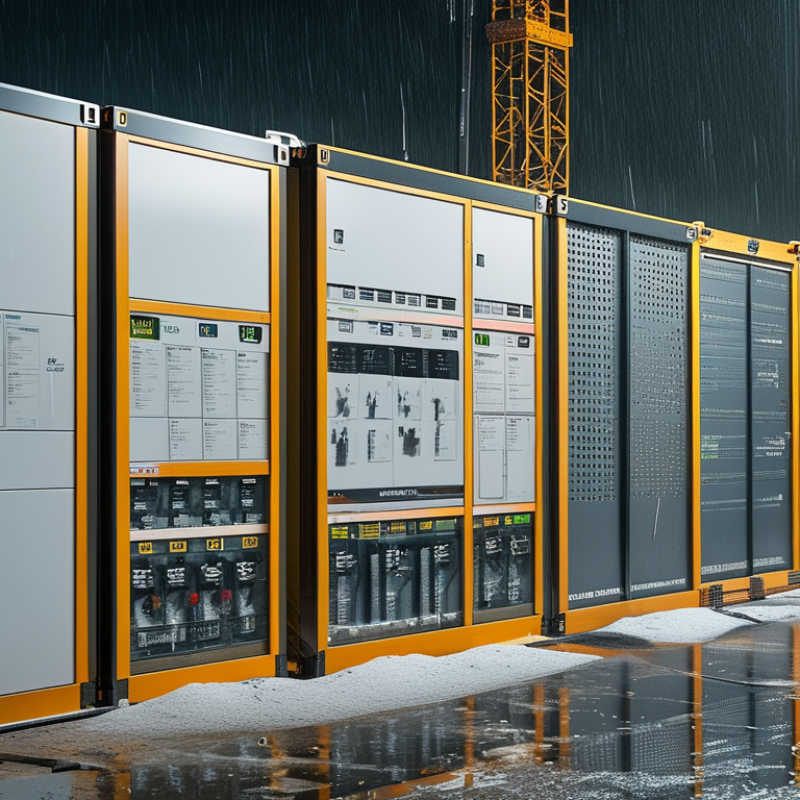
Choosing a reliable temporary power distribution box supplier can influence safety, uptime, and project efficiency. Construction sites, outdoor events, film sets, and emergency work areas often face unstable conditions. Dust, rain, impact, and frequent relocation can quickly expose weak equipment.

This guide reviews seven suppliers with practical industry experience and dependable product ranges. Each company is considered through enclosure strength, circuit protection, socket options, grounding design, and documentation quality. Clear labeling matters too. A technician should identify every outlet within seconds, even in poor lighting. Suppliers with responsive technical support also deserve attention. Installation questions rarely arrive at convenient times.

The right temporary power distribution box should match the site, not merely the budget. Power ratings, phase requirements, cable entries, residual-current protection, and environmental ratings need careful comparison. A compact box may suit a small renovation, while a larger unit may support cranes, pumps, lighting, and multiple tools. Bigger is not always better.

Supplier claims still require verification. Product pages can omit important details. Certificates, test records, warranty terms, and replacement-part availability should be checked before purchasing. Some suppliers appear strong on paper but provide limited field guidance. That weakness matters during urgent deployment.

This list is not an absolute ranking. Project conditions vary, and regional availability can change. However, it offers a practical starting point for evaluating trusted manufacturers and distributors. The final decision should involve a qualified electrician, site assessment, and confirmation of local electrical requirements. Safety cannot be judged by appearance alone.

7 Best Temporary Power Distribution Box Suppliers

What Is a Temporary Power Distribution Box?

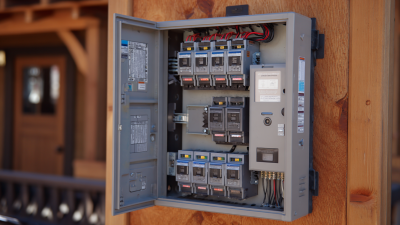
A temporary power distribution box is a portable enclosure that receives electricity from a generator or temporary service. It divides that supply into several protected circuits. Workers use it on construction sites, outdoor events, film sets, and emergency projects.

Inside, the box may contain circuit breakers, ground-fault protection, busbars, meters, and weather-resistant outlets. Its purpose is simple: control power closer to where people work. A properly selected unit can reduce tangled extension cables and make fault isolation faster. The U.S. Electrical Safety Foundation International reported 126 workplace electrical fatalities and 2,070 nonfatal electrical injuries in 2020. These figures show why protection cannot be treated as an accessory. It is the core function.

Standards also matter. IEC 61439-4 addresses assemblies for construction-site power, while OSHA 29 CFR 1926.404 requires suitable protection for temporary wiring. Suppliers should provide clear ratings for voltage, current, ingress protection, grounding, and operating environment. A box rated for indoor use may fail beside rain, dust, or concrete slurry. That mistake is easy to make. It is also avoidable. In field work, I would inspect connectors, labels, and enclosure damage before every shift. Specifications can look complete, yet real conditions may expose gaps. A reliable supplier supports testing records, maintenance guidance, and practical configuration advice—not merely a product photograph.

Key Features to Evaluate Before Choosing a Supplier

Choosing among the 7 best temporary power distribution box suppliers requires more than comparing prices. Start with verified compliance. Enclosures should match IEC 61439 requirements, while residual-current protection, grounding points, and clearly labeled breakers deserve close inspection. OSHA identifies electrical contact as one of construction’s Focus Four hazards. That makes documented testing essential, not decorative paperwork.

Capacity must fit the site, not just the equipment list. The IEA’s Electricity 2024 report expects global electricity demand to grow by more than 4% in 2024 and 2025. Temporary sites may also add welders, pumps, lighting, and charging equipment without warning. Ask suppliers for load calculations, short-circuit ratings, IP protection data, and temperature limits. A box sitting beside wet concrete needs stronger protection than one inside a dry warehouse.

Look for practical supplier experience. Can the team explain cable sizing, phase balancing, emergency isolation, and inspection intervals in plain language? Request factory test records, calibration certificates, spare-part availability, and delivery evidence from similar projects. The details matter. A 2024 market analysis from Grand View Research describes rising demand for temporary power across construction and events, but market growth does not guarantee quality. I would also test the supplier’s response time before signing. This is easy to overlook. Claims can sound professional while support remains slow. A short site trial may reveal more than a polished brochure.

How to Compare Temporary Power Distribution Box Suppliers

Comparing temporary power distribution box suppliers starts with electrical performance, not a glossy product page. Check voltage, current capacity, phase configuration, ingress protection, grounding design, and fault protection. Ask for test reports, inspection records, and compliance documents for the destination market. A reliable supplier should explain every rating clearly, including limitations under heat, dust, and continuous outdoor use.

Compare seven candidates using the same checklist. Review enclosure materials, socket layouts, cable entry points, lifting handles, and lockable covers. Small details matter on muddy construction sites. Request sample drawings before ordering. They reveal whether maintenance access is practical. Also examine manufacturing experience, quality-control procedures, and technician training. A supplier with documented testing is easier to trust than one offering vague assurances.

Pricing needs a wider view. Include tooling, freight, spare breakers, replacement sockets, delivery time, and after-sales support. Ask how quickly faults are handled during a night shift. Real references can show whether promised lead times survive busy seasons. However, references may not match your project conditions. A factory visit or sample inspection may provide stronger evidence. I would also compare warranty exclusions carefully. The cheapest box can become expensive after one damaged connector. A spreadsheet helps, but it can still miss site realities.

Seven Leading Suppliers and Their Product Strengths

Seven leading temporary power distribution box suppliers stand out through different strengths. The safety-led manufacturer builds enclosures with clear circuit labels, RCD protection, and impact-resistant housings. The rental-network supplier offers rapid replacement during festivals and construction shutdowns. The industrial specialist supports high-amperage systems for cranes, pumps, and welding equipment. The modular supplier provides stackable boxes and flexible feeder layouts. The outdoor specialist focuses on weather sealing, drainage, and corrosion resistance. The engineering-led supplier delivers custom phase balancing and load studies. The service-focused supplier adds inspections, cable testing, and on-site support.

Demand is not only about more electricity. The International Energy Agency’s Electricity 2024 report expects global electricity demand to grow by about 4% in 2024 and 2025. Temporary systems therefore need practical capacity, not inflated ratings. MarketsandMarkets identifies construction, events, utilities, and emergency response as major temporary power applications. A 400-amp box may look impressive, yet poor phase balance can still create hot cables and nuisance trips. Small details matter.

Field experience changes the buying decision. I check socket spacing, lifting points, breaker access, and label visibility under poor lighting. Compliance should be verified against applicable requirements, including IEC 61439 principles and local electrical rules. OSHA’s construction requirements also emphasize grounding and ground-fault protection. No supplier gets everything perfect. One may offer excellent hardware but weak documentation. Another may respond quickly but lack spare parts. Buyers should compare test records, ingress protection, delivery performance, and technician competence before choosing a supplier.

Safety, Compliance, and Maintenance Considerations

Choosing among the 7 Best Temporary Power Distribution Box Suppliers requires more than comparing price or outlet counts. Safety records matter. ESFI’s 2023 analysis of BLS data recorded 126 workplace electrical fatalities and 2,410 nonfatal electrical injuries in 2020. A compliant box should support GFCI protection, proper grounding, clear circuit labeling, and weather-resistant construction. Verify its documentation against applicable NEC Article 590 and OSHA requirements. Certification alone does not replace a site inspection.

Maintenance deserves equal attention. Inspect cables for crushed insulation, loose plugs, moisture, and heat discoloration before every shift. Check grounding continuity and test GFCI devices according to the manufacturer’s instructions. NFPA 70B emphasizes documented electrical maintenance because small defects can develop into failures. A clean enclosure can still hide a loose terminal. That is easy to miss.

Tips: Keep distribution boxes elevated on stable supports, never in standing water. Record load readings during peak operation, especially when heaters or pumps start. Use a lockable cover where unauthorized access is possible. Replace damaged parts, rather than improvising repairs. Review supplier manuals with electricians and supervisors. The process may feel repetitive, but skipping one inspection can undermine an otherwise compliant installation. Even experienced crews occasionally trust appearance too much.

7 Best Temporary Power Distribution Box Suppliers - Safety, Compliance, and Maintenance Considerations

The profiles below identify the best-fit supplier types for different temporary-power applications. Supplier performance should be verified through current certificates, inspection records, product documentation, and project-specific risk assessments.

Supplier Profile Best-Fit Application Recommended Box Features Safety Evidence to Request Compliance Checks Maintenance & Inspection Procurement Advantage
Temporary Power Rental Specialist Short-term construction, shutdowns, emergency restoration, and remote worksites. GFCI/RCD protection Overcurrent protection Lockable enclosure Weather-resistant design Pre-deployment inspection record, grounding and bonding test results, cable condition report, and protection-device test results. Confirm suitability for local electrical rules, temporary-installation requirements, rated voltage, current, frequency, and short-circuit capacity. Inspection before every rental deployment; damaged components removed from service; documented cleaning, torque checks, and electrical testing. Fast availability, delivery, setup support, replacement equipment, and collection after the project.
Industrial Electrical Distributor Factories, maintenance departments, infrastructure projects, and recurring electrical work. Modular outlets Clear circuit labels Main disconnect Spare breaker capacity Technical datasheet, wiring diagram, enclosure rating, component ratings, calibration information, and installation instructions. Check alignment with applicable standards such as IEC 61439-4, NEC Article 590, or equivalent national requirements. Obtain recommended inspection intervals, tightening values, replacement-part availability, and procedures for thermal or visual checks. Broad configuration options, technical quotations, spare parts, and repeat-order consistency.
Engineered Temporary Power Integrator Large sites requiring coordinated generators, distribution boxes, transformers, and multiple load centers. Load monitoring Selective protection Phase balancing Emergency isolation Single-line diagram, load schedule, fault-current assessment, protective-device coordination, commissioning report, and method statement. Verify design against the project jurisdiction, grounding system, generator output, cable size, environmental conditions, and available fault current. Planned site inspections, connection-point checks, periodic thermal scanning where justified, and documented change control. Reduces design risk and provides one accountable party for system coordination and commissioning.
Event and Production Power Supplier Outdoor events, temporary venues, broadcast production, exhibitions, and mobile stages. Quiet operation RCD/GFCI protection Weather protection High-visibility labeling Event electrical plan, cable management procedure, weather contingency plan, emergency response contacts, and inspection checklist. Confirm protection for public access areas, residual-current settings, ingress protection, temporary structures, and local event regulations. Daily visual checks during operation, post-weather inspections, connector protection, and immediate isolation of wet or damaged equipment. Experienced installation crews, rapid troubleshooting, flexible distribution layouts, and event-day support.
Construction Equipment Rental Supplier General building projects, civil works, renovation sites, and contractor-managed temporary services. Rugged enclosure Grounding terminal Multiple outlet types Cable strain relief Equipment register, electrical safety inspection label, user instructions, return-condition report, and evidence of competent inspection. Ensure the box matches the site supply system and is suitable for dust, moisture, impact, temperature, and outdoor exposure. Check enclosures, covers, plugs, sockets, cable glands, labels, and protective devices before use and after relocation. Convenient bundling with generators, cables, lighting, barriers, and other site equipment.
Utility and Contractor Supply House Electrical contractors needing standardized equipment, replacement parts, and project stock. Standardized modules Replaceable breakers Durable connectors Circuit directory Declaration of conformity where applicable, test certificate, product traceability, enclosure rating, and replacement-component list. Confirm the product is approved or accepted for the intended jurisdiction and that ratings are suitable for the installation method. Maintain an asset register, inspect stock before issue, protect unused units from moisture, and quarantine defective items. Competitive pricing, local stock, standardized specifications, and easier replenishment for multi-site contractors.
Service and Maintenance Provider Long-duration projects, facilities with repeated temporary setups, and sites with limited in-house electrical resources. Remote monitoring option Clear isolation points Surge protection Service access Competency records, preventive-maintenance plan, corrective-action log, response-time commitment, and incident-reporting process. Verify inspection duties, permit-to-work procedures, lockout/tagout controls, grounding requirements, and applicable occupational-safety rules. Scheduled preventive maintenance, functional testing of protective devices, documented repairs, and post-maintenance re-energization checks. Improves uptime and provides continuing technical support instead of a one-time equipment sale.
Selection note: A suitable temporary power distribution box should be selected according to voltage, current, fault level, grounding arrangement, environmental exposure, ingress protection, mechanical protection, and the competence of the installation team. Standards and inspection intervals vary by country and application; always verify the requirements of the authority having jurisdiction and the equipment manufacturer.
Site Feedback
Close