What Is a Meter to Measure Humidity Called?
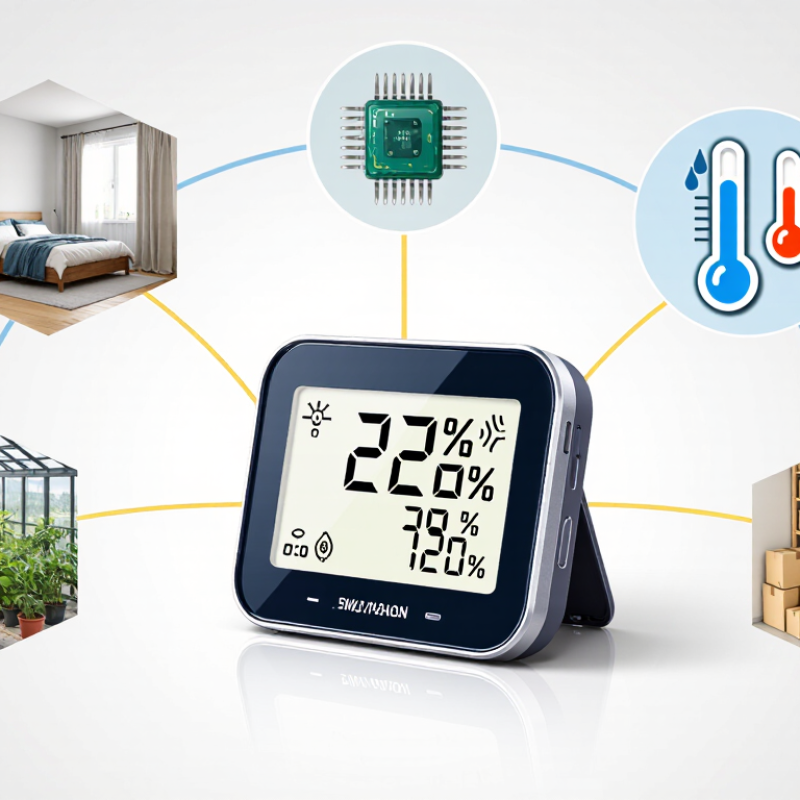
What is a Meter To Measure Humidity called? In most settings, it is called a hygrometer. You may also see the terms humidity meter or relative humidity meter on product labels. The exact name can vary, but the purpose is similar: to show how much water vapor is present in the air. A Meter To Measure Humidity can help you check a bedroom, greenhouse, storage room, or workshop before dampness becomes obvious.
Many modern meters use electronic sensors, often capacitive or resistive, to estimate relative humidity. A display may show a percentage alongside temperature, since warmer air can hold more moisture. Some instruments use a wet- and dry-bulb method, while professional models may include data logging or external probes. The right choice depends on where readings are needed and how precise they must be. For a home, a clear display and stated accuracy are often more useful than a long list of features.
Still, no meter is perfect. Dust, condensation, poor placement, and aging sensors can affect readings. Small differences matter. Keep the device away from direct sunlight, heating vents, and open windows when taking a room measurement. Check the manual for calibration guidance, and compare results with a reliable reference if readings seem unusual. That extra check is easy to skip. This guide explains the common names, how humidity meters work, and what to consider when choosing one. The goal is not to make every reading look exact, but to help you interpret it sensibly. A percentage is a useful clue, not the whole story. Consider it alongside temperature, ventilation, and visible signs of moisture.
The Name and Purpose of a Humidity-Measuring Instrument
What Is a Meter to Measure Humidity Called?
The Name and Purpose of a Humidity-Measuring Instrument
A meter that measures humidity is called a hygrometer. That is its name. It shows how much water vapor is in the air, often as relative humidity, or RH. A reading of 50% RH means the air holds half the water vapor it could hold at that temperature. Temperature matters: the same amount of moisture can produce a different RH reading as air warms or cools.
Different hygrometers work in different ways. A psychrometer compares wet-bulb and dry-bulb temperatures, while many electronic meters use a moisture-sensitive sensor. The World Meteorological Organization’s Guide to Instruments and Methods of Observation describes methods for measuring humidity, including psychrometric measurement.
For practical use, place a meter away from vents, sunny windows, and damp walls; those spots can skew a room reading. Calibration matters, too. A cheap meter may be convenient, but its display is not automatically precise.
Humidity readings help assess indoor conditions, protect stored materials, and guide ventilation decisions. ASHRAE Standard 55-2023 sets a maximum humidity ratio of 0.012 kilograms of water per kilogram of dry air for its thermal-comfort criteria. That is not a universal RH target: temperature changes the relationship between humidity ratio and RH. A single number can feel more certain than it is. Check the meter’s accuracy range and compare readings over time before acting on small changes.
Common Types of Hygrometers and Their Differences
A meter used to measure humidity is called a hygrometer. The name covers several instruments, and their readings can differ because they use different methods.
Mechanical hair hygrometers use the way hair changes length as moisture levels shift. They need little power and are easy to read, but their response may be slow. They can also drift over time, so occasional checking against a trusted reference is sensible.
Electronic hygrometers commonly use a sensor that changes its electrical properties as water vapor changes. They are compact and show readings quickly, which suits rooms, storage areas, and greenhouses. Their accuracy depends on sensor quality and care; dust, condensation, or age can affect results.
A psychrometer uses two thermometers, one with a damp wick. Comparing the wet- and dry-bulb temperatures helps estimate relative humidity, but airflow and careful handling matter. It takes more effort.
For demanding measurements, a dew-point instrument estimates the temperature at which moisture begins to condense. It can be useful for checking process conditions, though it may cost more and require more skill. No type is perfect. I would avoid judging a room by one reading alone: place the instrument away from windows, vents, and direct sunlight, then compare readings over time. A small difference may reflect placement, not a real change in humidity.
How to Read and Interpret Humidity Measurements
The instrument used to measure humidity is called a hygrometer. Many household models show relative humidity as a percentage. A reading of 50% means the air holds about half the water vapor it could contain at that temperature. It does not mean that half the air is water.
Read the display after the meter has settled in the room. A quick move from a cool hallway to a warm kitchen can produce a temporary change. Keep the sensor away from windows, vents, radiators, and direct sunlight. Those spots can give a reading that describes the nearby surface or airflow, rather than the whole room. Small changes matter. If one reading seems unusual, check again later and compare the trend.
For many homes, roughly 30% to 50% relative humidity is a practical comfort range, though climate and personal needs vary. A persistent reading above 60% may encourage condensation or mold growth, especially on cold walls. Below 30%, some people notice dry skin or irritated airways. These are clues, not diagnoses. I have found that a single number can be oddly persuasive, even when the meter is poorly placed. Check its instructions, and compare it with another reliable meter if readings remain surprising.
Factors That Affect Hygrometer Accuracy
A hygrometer measures moisture in the air, but its reading is not automatically precise. Temperature is a major influence: some sensors respond differently when a room warms or cools. A device near a sunny window may show a different value from one on an interior shelf. Small details matter. Placement beside a heater, bathroom vent, or damp wall can skew the result.
Sensor condition and calibration also affect accuracy. Dust, aging components, and prolonged exposure to condensation may cause readings to drift. Low-cost instruments can take time to adjust after moving between rooms. Wait before recording a value. For a useful comparison, keep the hygrometer away from direct sunlight and drafts, and place it at roughly breathing height. Check its instructions for calibration guidance; not every model can be adjusted. If two instruments disagree, compare them side by side for several hours rather than trusting one instant reading. A stable difference may suggest that one needs checking, but it does not identify which one is correct. Even careful checks have limits, so note the temperature and location when tracking humidity. A reading without context can mislead.
What Is a Meter to Measure Humidity Called? — Factors That Affect Hygrometer Accuracy
A meter that measures humidity is called a hygrometer. Temperature can strongly affect relative humidity: when the amount of water vapor stays constant, warming the air lowers its relative humidity. Accurate readings also depend on calibration, sensor condition, and placement.
Illustration: relative humidity calculated at constant water-vapor pressure, equal to 50% RH at 20°C, using the Magnus approximation. These values show temperature’s effect on relative humidity; they are not measurements of hygrometer error.