A Solar Water Pump can turn strong sunlight into a practical water supply for farms, livestock, and remote communities. Yet dependable results depend on more than panel capacity. Pump head, daily water demand, dry-season sunlight, pipe diameter, and local service all matter. A system that looks powerful on a quotation may deliver too little water at the field.
The International Renewable Energy Agency reported that the global weighted-average cost of new utility-scale solar photovoltaic electricity fell 12% in 2023. It was 56% lower than the weighted-average cost of fossil-fuel alternatives, according to IRENA’s Renewable Power Generation Costs in 2023. These figures describe electricity generation, not the installed cost of a pumping system. Still, they help explain why buyers are comparing solar-powered options more closely. The Food and Agriculture Organization’s work on solar irrigation also highlights a necessary caution: easier access to pumping can increase pressure on groundwater if extraction is poorly managed. Water matters, too.
IFPRI researcher Claudia Ringler’s published work points to both the promise of solar irrigation and the need for responsible water management. Put simply, lower pumping costs are valuable only when water use remains sustainable. This guide compares ten suppliers for global buyers, with attention to pump technology, application range, customization, documentation, and after-sales support. It also leaves room for a less tidy truth: supplier claims can be difficult to compare when test conditions differ. Ask for flow-rate data at the required pumping head, not just a headline capacity. Then check who will troubleshoot the controller when a hot afternoon becomes a failed harvest.
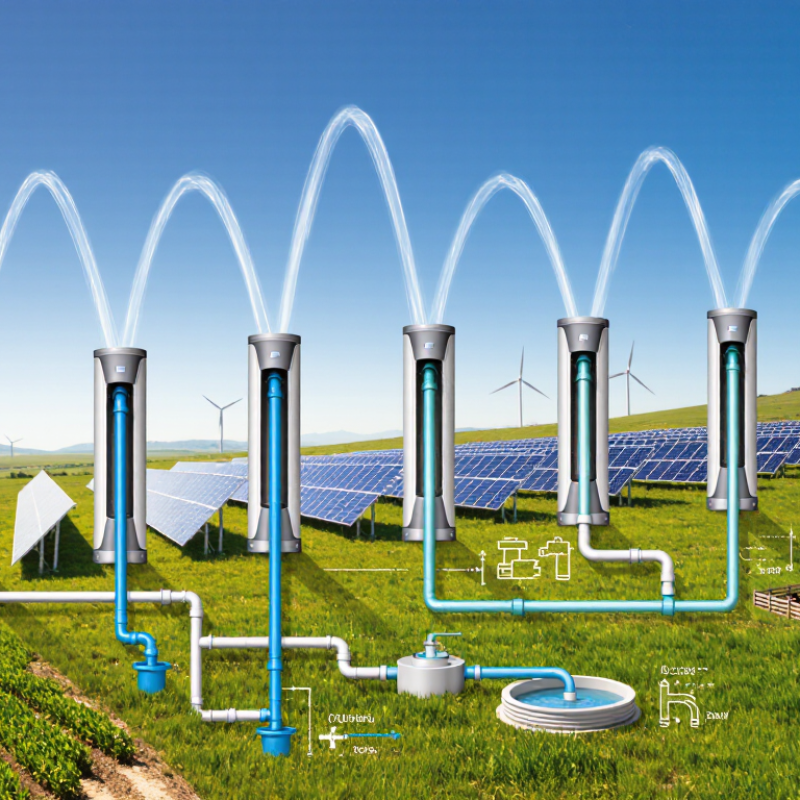
Solar water pump suppliers connect manufacturers, installers, and buyers across markets with very different water needs. A farm in a dry inland region may need a deep-well pump, while a village system may draw from a shallow borehole. Suppliers help match pump capacity, solar array size, and daily demand. A mismatch can leave tanks empty by late afternoon.
Their role extends beyond shipping equipment. Reliable suppliers provide clear performance data, installation guidance, and spare-parts information. They may also help buyers compare controller settings, cable lengths, and pump depth before an order is placed. Small details matter. A cable that is too short can delay installation, even when the main equipment is suitable.
Global trade also brings practical challenges. Shipping schedules, local service access, and changing weather conditions affect project planning. Experienced suppliers ask about water levels and seasonal use instead of relying only on a catalog. That is a better sign of expertise, though it is not a guarantee. Product claims still need careful checking against test records and site conditions. Some buyers focus heavily on purchase price; that can be understandable, but maintenance costs are easy to overlook. The market is not tidy, and supplier support can vary considerably. A detailed quotation and a realistic service plan make comparisons more useful.
| Supplier Type | Typical Products or Services | Common Customer Groups | Role in Global Markets | Key Buying Considerations |
|---|---|---|---|---|
| Solar pump manufacturers | Solar-compatible submersible and surface pumps, motors, controllers, and product documentation. | Distributors, installers, farms, contractors, and public water projects. | Develop and produce the core pumping equipment supplied through local and international sales channels. | Check pump curves, materials, operating limits, warranty terms, spare-parts availability, and compatibility with the proposed power system. |
| Solar pumping system integrators | Complete systems combining pumps, controllers, photovoltaic modules, protection equipment, and system design. | Agricultural users, communities, commercial sites, and project developers. | Match the pump and electrical components to the water source, required flow, total dynamic head, and local solar conditions. | Request design assumptions, expected seasonal performance, wiring and protection details, and commissioning support. |
| Renewable-energy distributors | Wholesale or retail supply of solar pumps and related photovoltaic and electrical equipment. | Local installers, resellers, contractors, and end users. | Connect overseas manufacturers with regional buyers and help make equipment available through established distribution networks. | Confirm stock status, delivery times, product origin, technical support, and access to replacement components. |
| Agricultural irrigation suppliers | Pumping equipment, filters, pipes, valves, tanks, and irrigation components. | Farmers, cooperatives, agricultural businesses, and irrigation contractors. | Link water pumping with on-farm water storage and irrigation equipment, helping buyers plan a usable water-delivery system. | Assess crop water needs, irrigation method, water quality, seasonal demand, and the need for storage or flow control. |
| Borehole drilling and water contractors | Borehole assessment, drilling, pump installation, pipework, and related water-system services. | Rural households, farms, community projects, and commercial water users. | Provide site-specific knowledge of the water source and installation conditions, which are essential to selecting and positioning a pump. | Verify borehole depth and yield information, installation scope, workmanship standards, and arrangements for future maintenance. |
| Engineering, procurement, and construction providers | Design, equipment procurement, installation, testing, and handover for larger water or energy projects. | Utilities, municipalities, institutions, developers, and large farms. | Coordinate multiple contractors and equipment packages for projects that require documented designs and formal delivery processes. | Review technical specifications, performance acceptance criteria, project schedule, responsibilities, and after-sales obligations. |
| Original equipment and private-label suppliers | Equipment manufactured or assembled for sale under a buyer's own label, subject to the supplier's agreement. | Importers, regional distributors, and businesses developing their own product lines. | Offer sourcing and product-customization options that can support local distribution strategies and market-specific packaging. | Clarify manufacturing location, quality-control procedures, minimum order quantities, documentation, labeling, and warranty responsibility. |
| Regional wholesalers and importers | Locally stocked pumps, system components, and distribution services. | Retailers, installers, agricultural suppliers, and project contractors. | Manage importation and regional inventory, helping reduce the distance between manufacturers and local buyers. | Check customs and product-compliance requirements, inventory reliability, local-language documentation, and return procedures. |
| Rural water project suppliers | Solar pumping equipment and implementation support for community, institutional, or public water systems. | Public agencies, development organizations, schools, clinics, and communities. | Support access to water in locations where grid electricity may be limited, while coordinating with project operators and local stakeholders. | Plan for water storage, access rules, operator training, spare parts, maintenance funding, and long-term system ownership. |
| Installation and maintenance service providers | Site surveys, installation, commissioning, inspections, troubleshooting, and repair. | System owners, farms, installers, institutions, and project operators. | Keep installed systems operating by providing local technical assistance and maintenance after equipment delivery. | Confirm service coverage, technician experience, response times, maintenance procedures, and availability of compatible replacement parts. |
Note: This is a supplier-type overview, not a ranked list of named companies. Suitability depends on the water source, required flow and head, site conditions, local regulations, and the availability of installation and after-sales support.