Skip to content
Menu Close

What Is a Skin Light Therapy Device and How Does It Work?

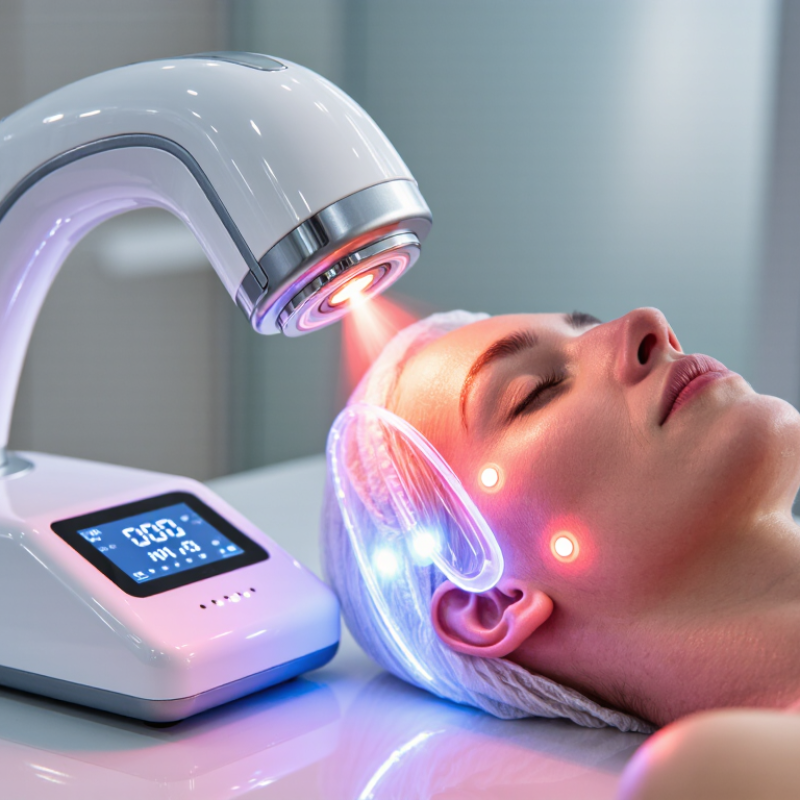
A Skin Light Therapy Device uses controlled wavelengths to interact with the skin’s surface and deeper tissues. Red and near-infrared light are commonly studied for supporting collagen activity and reducing visible inflammation. Blue light is more often associated with acne-related bacteria. Results depend on wavelength, intensity, exposure time, skin condition, and treatment consistency. The device is not a magic mask.

Industry forecasts show growing consumer interest. Grand View Research’s 2024 LED light therapy market analysis describes expanding demand across home-use and professional applications. However, market reports measure sales potential, not guaranteed clinical outcomes. Their estimates also vary because researchers define “light therapy” differently. That difference matters.

Clinical evidence is more specific. Reviews in dermatology literature report potential benefits for selected concerns, including mild acne and photoaging, but study sizes and protocols remain inconsistent. The American Academy of Dermatology emphasizes that at-home devices may produce subtler results than professional treatments. Safety still requires attention. Eye protection, manufacturer instructions, photosensitizing medicines, and existing skin conditions should be considered before use.

The details are easy to overlook.

A credible evaluation should examine the device’s wavelength range, irradiance, treatment schedule, safety testing, and independent evidence. Redness after treatment may be temporary, yet persistent irritation deserves medical advice. People with melasma may also respond unpredictably, especially when heat or visible light worsens pigmentation. In this guide, we will explain how a Skin Light Therapy Device works, what current research supports, and where marketing claims become less certain. The evidence is promising, but it is not perfectly settled.

What Is a Skin Light Therapy Device and How Does It Work?

Definition and Purpose of Skin Light Therapy Devices

What Is a Skin Light Therapy Device and How Does It Work?

A skin light therapy device uses controlled light to support specific skin concerns. It may use red, blue, or near-infrared wavelengths. Each wavelength interacts with the skin differently. Devices designed for uneven tone aim to reduce the visible appearance of dark spots. They do not bleach the skin or permanently change its natural color. Some devices may also support calmer-looking skin or smoother texture. Their purpose depends on the light type, treatment strength, and intended use.

In professional practice, dermatologists assess pigmentation before recommending light-based care. Dark patches can have different causes, including sun exposure, inflammation, or hormonal changes. A home device usually delivers less energy than clinical equipment. Results may therefore appear slowly and unevenly. A warm panel can feel comfortable, but comfort does not prove effectiveness. Clinical evidence is still developing for some home applications. That uncertainty deserves attention.

Tips: Read the instructions carefully and protect your eyes as directed. Start with clean, dry skin and avoid longer sessions. Use sunscreen daily, because light exposure can worsen pigmentation. Test a small area first, especially if your skin reacts easily. Stop if you notice burning, swelling, or lasting redness. Ask a qualified dermatologist before use if you take light-sensitive medication. Results are not guaranteed, and a carefully chosen routine may still need adjustment.

What Is a Skin Light Therapy Device and How Does It Work?

Skin light therapy devices use specific, non-ultraviolet wavelengths of light to interact with skin cells. Different wavelengths reach different skin depths and are commonly studied for purposes such as acne support, redness reduction, and photobiomodulation.

How to read the chart: Blue light is typically selected around 415 nm, red light around 633 nm, and near-infrared light around 830 nm. The appropriate wavelength, treatment duration, and energy level depend on the device design and intended use. These values represent commonly studied wavelength bands rather than a guarantee of clinical results.

Main Types of Skin Light Therapy Devices

What Is a Skin Light Therapy Device and How Does It Work?

Main Types of Skin Light Therapy Devices

Skin light therapy devices use selected wavelengths to influence visible pigmentation and skin activity. They do not literally bleach the skin. Results depend on the cause of dark spots, treatment settings, and daily sun protection.

LED devices

LED devices use low-intensity red, blue, or near-infrared light. Red and near-infrared light are commonly studied for inflammation and skin recovery. Blue light mainly targets acne-related bacteria, so it may help prevent new marks. These devices usually feel warm or neutral. They require repeated sessions.

Low-level laser devices

Low-level laser devices deliver concentrated light at specific wavelengths. Their energy is generally controlled and gentle, but “gentle” does not mean risk-free. Incorrect use may irritate sensitive skin or worsen redness. Professional assessment matters.

Intense pulsed light, or IPL

Intense pulsed light, or IPL, uses broad-spectrum flashes rather than one wavelength. It can target some sun spots, freckles, and visible vessels. IPL is not suitable for every skin tone or medical condition. Darker skin may face a higher risk of post-treatment pigmentation, especially with unsuitable settings.

Read the manual carefully. Protect your eyes. Avoid treating changing moles, open wounds, or unexplained lesions. A dermatologist should assess persistent or spreading pigmentation. Evidence varies between device types, and home results are often slower than advertisements suggest. That is easy to underestimate. Consistent sunscreen use may matter more than adding extra sessions.

How Light Energy Acts on Skin Pigmentation

What Is a Skin Light Therapy Device and How Does It Work?

Light energy acts on pigmentation through wavelength, depth, and exposure time. Melanin absorbs much of the visible spectrum, especially between 400 and 700 nanometers. That absorption can convert light into controlled heat. The heat may fragment melanin or reduce pigment-producing activity in melanocytes.

Different wavelengths behave differently. Blue and green light mainly affect superficial pigment. Red and near-infrared light penetrate deeper and may influence inflammation or skin repair rather than directly removing melanin. The American Academy of Dermatology warns that visible light can worsen melasma, particularly in deeper skin tones. This detail is often overlooked.

Clinical results remain uneven. A 2023 review in Dermatologic Surgery reported wide variation in outcomes across light-based pigmentation studies, partly because devices, treatment settings, and skin types differed. Another review in the Journal of Clinical and Aesthetic Dermatology noted that pigmentation commonly returns within months when ultraviolet and visible-light exposure continues. Protection matters.

In practice, a device should match the pigment’s depth and the user’s skin response. Excessive energy can cause redness, burns, or post-inflammatory hyperpigmentation. That risk is real. Home treatments also lack consistent professional monitoring, and published evidence is still thinner than marketing language suggests. A dermatologist can assess melasma, freckles, medication effects, or another underlying cause before treatment.

Treatment Process and Expected Skin Changes

A skin light therapy device uses controlled wavelengths to influence processes near the skin’s surface. Depending on the device, light may target uneven pigmentation, redness, or signs of photoaging. Professional guidance matters because skin tone, sensitivity, and medication history can change the response.

Treatment usually begins with clean, dry skin and protected eyes. Hold the device at the recommended distance, then expose each area for the stated time. Sessions often last several minutes and may occur a few times weekly. More time does not mean better results. I have seen people overuse light devices because early changes seemed too subtle.

During treatment, the skin may feel warm or mildly tight. Temporary redness can appear, especially on sensitive skin. Over several weeks, some users notice a more even tone and softer-looking discoloration. Dark spots usually fade gradually, not overnight. Results can vary widely. Some marks may barely change.

Daily sunscreen remains important because ultraviolet exposure can reverse visible progress. Stop using the device if you experience persistent burning, swelling, blistering, or worsening pigmentation. A patch test can reveal irritation, although it cannot predict every reaction. People with photosensitive conditions or light-sensitive medicines should seek qualified medical advice before treatment. The process is not always comfortable, and the expected outcome may need reconsideration.

Safety Considerations and Suitable Users

What Is a Skin Light Therapy Device and How Does It Work?

Skin light therapy devices use selected wavelengths to influence skin cells. Red and near-infrared light may support cellular energy production and reduce visible inflammation. Blue light can target acne-related bacteria near the skin surface. Results depend on wavelength, power, treatment time, and consistent use. At-home equipment is usually weaker than clinical equipment, according to the American Academy of Dermatology.

Safety Considerations and Suitable Users

Suitable users are generally healthy adults with mild acne, redness, or uneven tone. A dermatologist should assess persistent pigmentation first. Melasma, for example, can worsen with heat or visible light. People with lupus, light-sensitive disorders, retinal disease, or a history of skin cancer need medical advice. Some antibiotics and acne medicines also increase photosensitivity. Avoid any device that emits ultraviolet light. The World Health Organization reported about 1.5 million non-melanoma skin cancer cases linked to ultraviolet exposure in 2020. That figure deserves attention.

Protect the eyes exactly as instructed. Do not assume closed eyelids provide enough protection. Stop treatment after blistering, severe swelling, lasting pain, or darkening. The FDA emphasizes that cleared devices must still be used according to their instructions; clearance does not guarantee identical results for every person. Evidence for home treatment remains uneven. I would not treat a glowing advertisement as clinical proof. A small patch test, realistic expectations, and professional review are safer than increasing exposure time.

What Is a Skin Light Therapy Device and How Does It Work? — Safety Considerations and Suitable Users
Data Dimension Evidence-Based Information Potential Benefits Key Safety Considerations Suitable Users
Definition A skin light therapy device is a non-invasive device that exposes the skin to a controlled wavelength or range of light. Common technologies include visible blue light, red light, near-infrared light, and ultraviolet light. May support selected cosmetic or dermatologic goals without injections or surgical procedures. “Light therapy” is not one single treatment. The wavelength, intensity, treatment duration, and intended use determine its effects and risks. Users who understand the device’s intended purpose and follow its instructions carefully.
How It Works Light interacts with molecules and cells in the skin. Depending on the wavelength, it may influence bacterial activity, inflammation, cellular signaling, or the production and breakdown of pigments. Different wavelengths can target different skin concerns, but results are usually gradual and vary between individuals. More light or longer sessions do not necessarily produce better results and may increase irritation or injury. People with realistic expectations who are willing to use the device consistently and as directed.
Blue Light Blue light is commonly used in acne-focused devices because it can affect Cutibacterium acnes, a bacterium associated with acne. Some devices combine blue light with red light. May help reduce mild inflammatory acne lesions in some users. Possible effects include dryness, redness, eye discomfort, or temporary irritation. Blue light is not a substitute for treatment of severe or cystic acne. Adults and adolescents with mild acne, when the device is appropriate for their age and used according to medical or product guidance.
Red and Near-Infrared Light Red and near-infrared light are used in photobiomodulation. They may influence cellular signaling and inflammatory pathways, although outcomes depend on the device and treatment protocol. May modestly improve the appearance of fine lines, skin texture, redness, or wound-related inflammation in selected situations. Long-term effects are still being studied. Temporary warmth, redness, dryness, or irritation can occur. Adults seeking gradual cosmetic improvement who do not have contraindications and understand that results are not guaranteed.
Ultraviolet Light Ultraviolet light can suppress certain immune responses in the skin and is used medically for conditions such as psoriasis, eczema, vitiligo, and some forms of dermatitis. Clinically supervised phototherapy may improve specific inflammatory or pigment-related skin conditions. UV exposure can cause sunburn, premature skin aging, eye injury, and an increased risk of skin cancer. Home UV use should not be treated as ordinary cosmetic light therapy. Only users selected and monitored by a qualified healthcare professional for an appropriate medical indication.
Common Treatment Pattern Non-UV devices are often used for several minutes per session, multiple times per week, for several weeks. The correct schedule varies by device, wavelength, distance, and intended use. Following a consistent schedule may improve the likelihood of observing a measurable response. Do not exceed the recommended exposure time, distance, or frequency. Stop if significant pain, blistering, marked swelling, or persistent redness develops. Users who can follow the specific instructions supplied with the device or provided by a clinician.
Eye Protection Some devices emit light bright enough to cause discomfort or potential eye damage, especially when used close to the face. Proper protection improves comfort and reduces avoidable exposure. Use the recommended eye protection whenever required. Do not stare directly into bright LEDs or UV sources. Contact a healthcare professional for persistent eye pain or visual changes. Users able to position the device correctly and use the specified protective eyewear.
Photosensitivity Some medicines, supplements, and medical conditions make the skin more sensitive to light. Examples may include certain antibiotics, retinoids, diuretics, and autoimmune disorders. Risk assessment before treatment can help prevent avoidable reactions. Review current medicines and medical conditions with a healthcare professional before use if photosensitivity is possible. Users who have confirmed that their medicines and health conditions do not create an unacceptable risk.
Pregnancy and Breastfeeding Safety data for many cosmetic light therapy devices during pregnancy and breastfeeding are limited, and device types differ substantially. Obtaining individualized advice supports safer decision-making. Consult a qualified healthcare professional before use, particularly for devices that emit UV light or are used on large areas of skin. Only users who have received appropriate professional guidance for their specific situation.
Skin Cancer and Suspicious Lesions Light therapy should not be used to self-treat a changing mole, unexplained lesion, non-healing sore, or suspected skin cancer. Professional assessment can identify conditions requiring diagnosis or treatment rather than cosmetic care. Seek medical evaluation for new, changing, bleeding, painful, or non-healing lesions before using light therapy on the area. Users whose skin has been assessed when there are suspicious lesions or a history of skin cancer.
Skin Tone and Pigmentation Responses and risks may differ across skin tones. Inflammation or injury can sometimes lead to temporary or persistent changes in pigmentation, especially in darker skin. Careful use and gradual monitoring may reduce the chance of avoidable irritation-related pigmentation changes. Patch-test when appropriate, avoid treating irritated or damaged skin, and stop if unusual darkening or lightening occurs. Users willing to monitor their skin closely and obtain professional advice if pigment changes develop.
Possible Side Effects Reported short-term effects may include warmth, dryness, mild redness, tightness, irritation, headache, or eye discomfort, depending on the device. Most minor effects may improve after reducing exposure or stopping treatment, but this is not guaranteed. Discontinue use and seek medical advice for severe pain, burns, blisters, significant swelling, persistent rash, or vision symptoms. Users who can recognize adverse reactions and respond promptly.
Who Should Seek Medical Advice First Professional advice is recommended for people with photosensitive disorders, active skin disease, a history of skin cancer, significant eye disease, implanted light-sensitive medical devices, or complex medication use. A clinician can help determine whether the device, wavelength, and treatment plan are appropriate. Do not assume that a non-UV device is risk-free or suitable for every medical condition. Users whose health history has been reviewed when any relevant risk factor is present.
Expected Results Results are generally gradual and may be modest. Effectiveness depends on the condition being treated, device specifications, treatment consistency, and individual skin characteristics. Some users may notice improvement in selected cosmetic or acne-related concerns after repeated treatments. Be cautious of claims promising permanent, immediate, or universal results. Light therapy cannot replace diagnosis or evidence-based treatment for serious conditions. Users with realistic expectations who understand that individual results can vary.
Basic Use Checklist Read the instructions, inspect the device, cleanse and dry the skin as directed, use the recommended settings, protect the eyes when required, and record any reactions. A structured routine helps support consistent and safer use. Do not use a damaged device, share protective eyewear without cleaning it, combine treatments without guidance, or use the device on broken skin unless specifically instructed. Most healthy adults using an appropriate non-UV device as directed, subject to individual contraindications.
Site Feedback
Close