How to Select the Right Electrical Transfer Switch for Your Home System
In today's world, ensuring an uninterrupted power supply has become increasingly critical for homeowners. As reliance on electrical devices grows, so does the need for effective solutions to manage electricity demand. One such solution is the electrical transfer switch, a device that facilitates the safe transition of power from a grid to a backup system during outages. According to the National Fire Protection Association (NFPA), improper connections during power outages can lead to significant safety hazards, highlighting the importance of choosing the right transfer switch for residential setups.
The global electrical transfer switch market has been expanding steadily, projected to reach a value of approximately $3 billion by 2026, as reported by industry analysts. This growth reflects a heightened awareness of energy reliability and safety among consumers. With a diverse range of options available, selecting the ideal electrical transfer switch entails understanding various factors, including power capacity, installation requirements, and specific residential needs. By making informed choices, homeowners can safeguard their properties and ensure seamless operation of essential electrical systems during emergencies.
Understanding Electrical Transfer Switches: A Comprehensive Guide
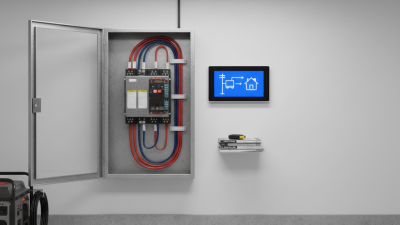
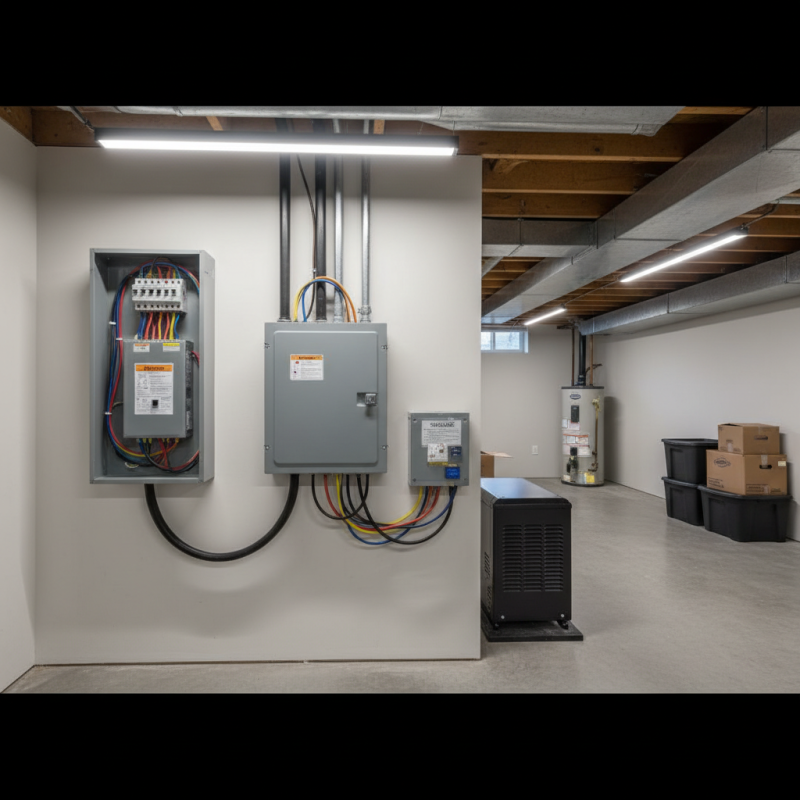
Electrical transfer switches (ETS) are essential components for homes that aim to maintain power during outages. These switches enable the safe transfer of electrical load between two power sources, typically from the utility grid to a generator. According to a report by the Electric Power Research Institute, nearly 300,000 power outages occur each year in the United States alone, affecting millions of households and causing significant disruptions. As a result, homeowners are increasingly investing in electrical transfer switches to ensure that their essential appliances and systems remain operational during such events.
When selecting the right transfer switch for a home system, it’s crucial to consider factors such as power capacity, configuration, and safety features. Research indicates that improperly sized switches can lead to generator overload, which may shorten the lifespan of the equipment and pose safety risks. The National Fire Protection Association recommends that homeowners consult with a certified electrician to assess their specific power needs and select a switch that seamlessly integrates with their existing electrical infrastructure. Additionally, modern transfer switches come equipped with features like automatic operation and surge protection, which can further enhance safety and reliability during power interruptions.
Types of Electrical Transfer Switches and Their Applications
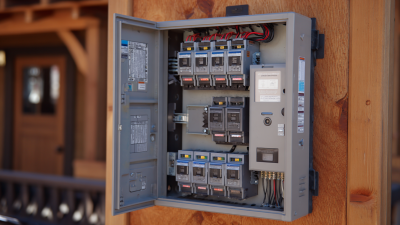
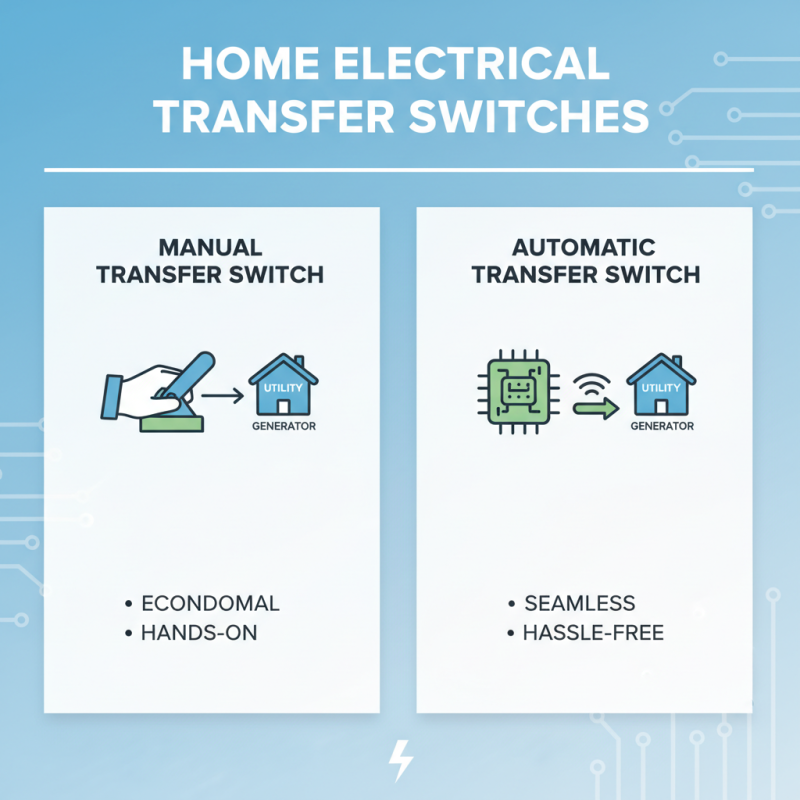
When selecting the right electrical transfer switch for your home, it's essential to understand the different types available and their specific applications. The most common types are manual transfer switches and automatic transfer switches. Manual transfer switches require you to manually switch from the utility power to the generator, making them a more economical choice for homeowners who are comfortable with hands-on management. In contrast, automatic transfer switches operate seamlessly, detecting power outages and switching power sources without any input from the user, providing a hassle-free solution.
Another category includes interlock kits, which are designed for homes with a standard load panel. They allow homeowners to safely connect a generator to their electrical system without the need for a separate transfer switch box. Understanding these types can help you make an informed decision based on your power requirements and preferences.
**Tips:** When choosing a transfer switch, consider the power output of your generator to ensure it meets your household needs. Additionally, assess your comfort level with manual operations versus the convenience of automatic systems. Lastly, evaluate installation options; some systems may require professional help, while others can be easily installed by savvy DIYers.
Factors to Consider When Selecting a Transfer Switch for Home Use
When selecting the right electrical transfer switch for your home system, several critical factors must be considered to ensure optimal performance and safety. One of the most important aspects is the power capacity of the transfer switch, which should match your household's power needs during an outage. According to the National Fire Protection Association (NFPA), residential transfer switches typically range from 30 to 200 amps. Evaluating your home’s total electrical load—considering essentials like heating, cooling, and appliances—will give you a clearer idea of the amperage required.
Another key consideration is the type of transfer switch, which can be manual or automatic. Manual transfer switches are generally less expensive and allow users to control when to switch power sources. In contrast, automatic transfer switches can detect outages and seamlessly switch to a backup generator without user intervention. A report by the Consumer Technology Association (CTA) indicates that while homeowners may initially prefer manual systems due to lower costs, the convenience and reliability of automatic systems lead to long-term satisfaction and enhanced safety. Additionally, the installation process should comply with local electrical codes and standards, ensuring professional oversight to mitigate risks associated with improper setups.
How to Select the Right Electrical Transfer Switch for Your Home System
| Factor |
Description |
Importance |
| Power Rating |
Choose a transfer switch that matches your system's power requirements to handle essential loads. |
High |
| Type of Connection |
Determine whether you need a manual or automatic transfer switch based on your preferences. |
Medium |
| Installation Type |
Consider if the switch will be installed indoors or outdoors and ensure it is weatherproof if necessary. |
High |
| Load Prioritization |
Check if the switch offers load management features to prioritize critical appliances during an outage. |
Medium |
| Safety Features |
Look for built-in safety mechanisms such as surge protection to safeguard your electrical system. |
High |
| Compliance and Standards |
Ensure the switch meets local electrical codes and standards for safety and functionality. |
High |
Installation Requirements and Safety Considerations for Transfer Switches
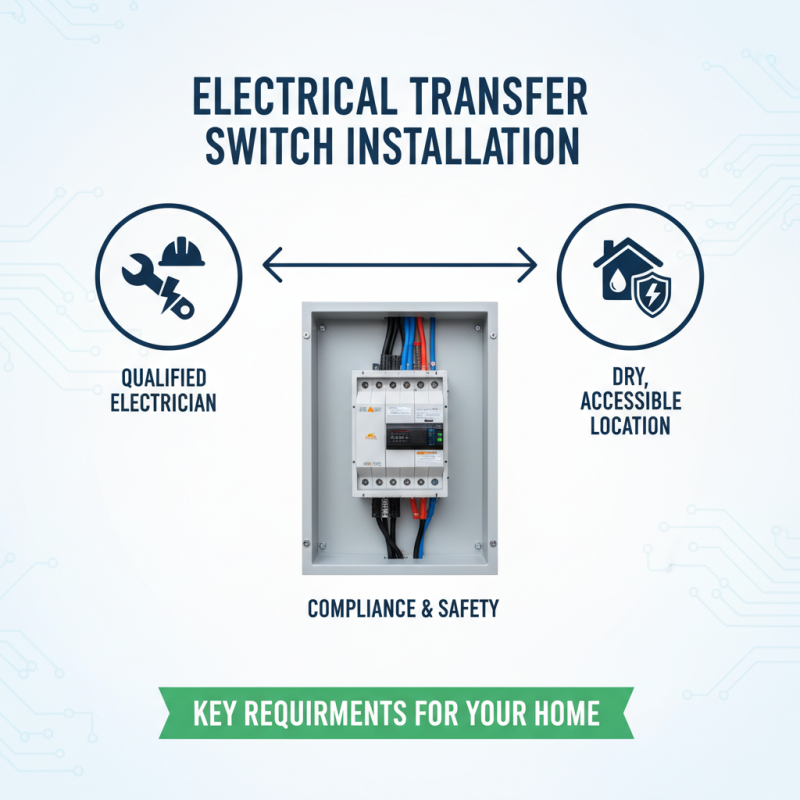
When installing an electrical transfer switch, several critical requirements must be met to ensure safety and efficiency. First, the transfer switch should be installed by a qualified electrician who understands local electrical codes and regulations. This ensures that the installation complies with safety standards and minimizes the risks associated with improper wiring or equipment failure. The location of the transfer switch is also essential; it should be easily accessible and positioned in a dry area to avoid moisture-related issues that could compromise its functionality.
Moreover, safety considerations cannot be overlooked. It is crucial to use a transfer switch that matches the capacity of your home's electrical system. Overloading the switch can lead to overheating and increase the risk of electrical fires. Additionally, it should be ensured that the switch is adequately grounded to prevent electrical shock hazards. Regular maintenance and inspections of the transfer switch can help identify potential issues before they escalate, promoting a safer and more reliable home power management system. Considering these installation requirements and safety factors will help facilitate a smooth transition to using an electrical transfer switch in your home.
Maintenance Tips for Ensuring Optimal Performance of Transfer Switches
Maintaining an electrical transfer switch is crucial for ensuring optimal performance and reliability in your home system. Regular maintenance not only enhances the lifespan of the switch but also ensures that it functions properly during power outages.
One effective tip is to conduct routine inspections. Check the physical condition of the switch for any signs of wear or damage, such as rust or corrosion. This proactive approach helps identify potential issues before they become serious problems.
Another essential maintenance tip is to keep the transfer switch clean and free from dust and debris. Accumulation of dirt can impede its operation, so dusting it off periodically with a soft cloth will keep it in good working condition. Additionally, testing the switch regularly—preferably once a month—can ensure that it engages and disengages as intended. This practice is vital, especially before anticipated severe weather events when power outages are more likely.
Lastly, always ensure that the transfer switch is properly lubricated according to the manufacturer’s instructions. Proper lubrication reduces friction and wear on moving parts, enhancing its efficiency. Keeping a log of maintenance activities will help track the switch's performance over time, allowing you to anticipate necessary repairs or replacements. Engaging in these maintenance practices will help safeguard the functionality of your transfer switch, ensuring peace of mind during power outages.