Why is Reflective Workwear Essential for Safety at Work?
In various work environments, safety is paramount. reflective workwear plays a crucial role in ensuring that workers are visible. Whether in construction sites, factories, or during nighttime shifts, visibility can make the difference between safety and accidents.
reflective workwear uses bright materials and reflective strips to enhance visibility in low-light conditions. These features help workers be seen by drivers, machinery operators, and colleagues. However, not all reflective clothing is created equal. Many workers may wear worn-out clothes that don't reflect light effectively. This compromises their safety and can lead to unfortunate incidents.
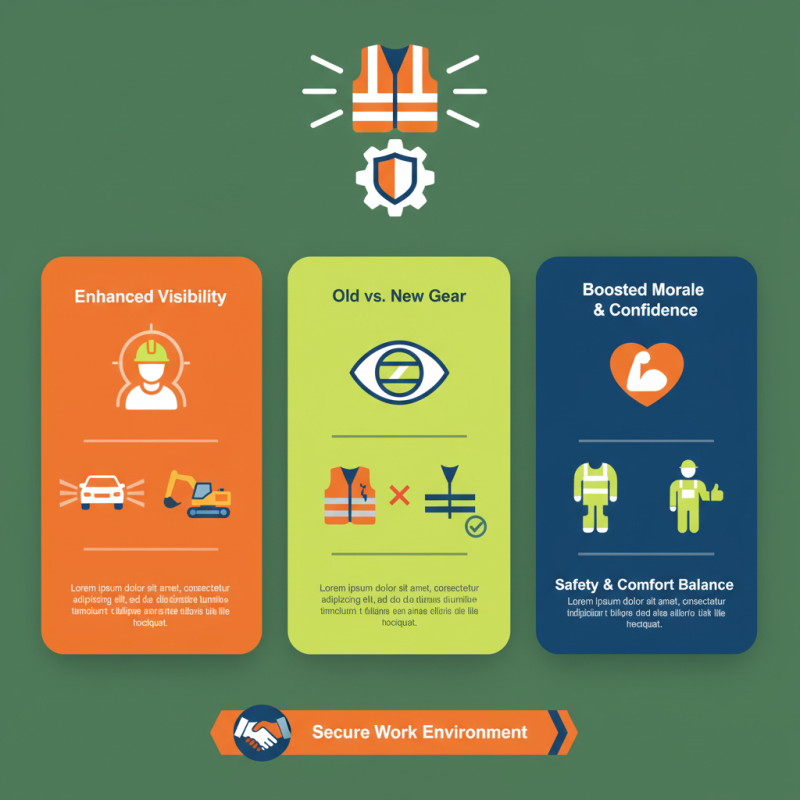
Moreover, the importance of reflective workwear goes beyond basic visibility. It can boost morale and confidence among workers. When employees feel secure, they perform better. Yet, some workers may still resist wearing these garments due to discomfort. Balancing safety and comfort can be challenging, but it is essential for a secure work environment.
Importance of Reflective Workwear in Enhancing Visibility at Night
Reflective workwear plays a crucial role in improving visibility, especially at night. According to the National Institute for Occupational Safety and Health (NIOSH), nearly 40% of workplace fatalities occur in low-light conditions. This staggering statistic underscores the importance of wearing gear that enhances visibility. The use of reflective materials can significantly increase the chance of being seen.
A study published in the Journal of Safety Research indicates that reflective clothing improves visibility by up to 300%. This is particularly vital for workers in transportation, construction, and emergency services. In these fields, failing to be seen can lead to tragic accidents. Many workers often overlook this essential safety measure. They may feel confident in well-lit areas, but accidents can still happen.
The details matter. Reflective stripes should cover a substantial portion of the garment. The color contrast between the reflective strips and the underlying fabric is also critical. Bright colors during the day can enhance visibility even further. However, some workers may resist adopting these vital pieces of gear, driven by comfort or aesthetics. This reluctance can lead to unnecessary risks.
Prioritizing reflective workwear can be the difference between safety and tragedy.
Statistics on Workplace Accidents and the Role of Visibility in Prevention
Statistics show workplace accidents are prevalent. Each year, millions suffer injuries. In many industries, visibility is a key factor. Workers in construction, roadwork, and warehouses face hazards daily. Poor visibility increases the risk of accidents significantly. Reflective workwear can be a simple yet effective solution.
Around 80% of workplace injuries occur due to visibility issues. Whether during the day or night, proper gear makes a difference. Drivers and machine operators need to see workers clearly. Research indicates that wearing reflective clothing reduces accidents. Yet, not everyone adheres to these guidelines. Some overlook this critical safety measure.
Reflective gear should not be an afterthought. It’s essential for preventing injuries. A high-visibility vest can save lives, but only if worn consistently. Workers sometimes forget about their safety. They prioritize comfort over visibility. This attitude can lead to dire consequences. It's essential to reflect on these choices to foster a safer work environment.
Why is Reflective Workwear Essential for Safety at Work?
This bar chart illustrates the correlation between the type of workwear and the frequency of workplace accidents. Data shows that workers wearing high visibility clothing have significantly lower accident rates compared to those in regular or dark clothing. This emphasizes the importance of visibility in preventing workplace incidents.
Standards and Regulations Governing Reflective Workwear in Various Industries
Reflective workwear plays a crucial role in keeping employees safe across various industries. Many workplaces, such as construction sites and road maintenance zones, require reflective clothing to enhance visibility. This ensures workers can be seen day or night, especially in hazardous conditions. Standards govern the materials, colors, and design of reflective gear, helping to maintain consistency and safety.
Different industries have specific regulations regarding reflective workwear. For instance, the Federal Highway Administration mandates certain visibility standards for workers on roads. In construction, guidelines often dictate the use of Class 2 or 3 garments. These garments have a higher level of reflection, essential for jobs requiring extreme awareness from passing vehicles.
Tip: Always check local regulations. They may vary significantly based on industry and location.
Workers should regularly inspect their reflective gear for wear and tear. Damaged clothing may not provide adequate visibility. Choosing the right fit is also important. Gear that is too loose or too tight can reduce comfort and mobility.
Tip: Consider incorporating bright colors. Combining reflective elements with vibrant hues can increase visibility even more.
Types of Reflective Materials Utilized in Safety Workwear: A Comparative Analysis
Reflective materials are crucial in safety workwear. They enhance visibility in various conditions. When light hits these materials, they reflect it back. This feature is indispensable for workers in low-light conditions. Construction sites, roadways, and warehouses can be particularly hazardous. Workers need to be seen to avoid accidents.
There are several types of reflective materials. The most common are retroreflective fabrics. These fabrics return light to its source, improving visibility dramatically. Another type is fluorescent fabrics, which absorb light and appear brighter during the day. Some materials combine both features for maximum effect. Each type has unique benefits and drawbacks, depending on the work environment. Understanding these differences is essential for safety.
Yet, reliance on these materials isn’t foolproof. Not all reflective gear is created equal. The quality of the fabric can vary, and not every piece is tested rigorously. Workers may overlook wear and tear, compromising safety. Regular inspections are needed but often ignored. This negligence can lead to dangerous situations. Reflective workwear is vital, but awareness and maintenance are equally important.
Why is Reflective Workwear Essential for Safety at Work?
| Type of Reflective Material | Visibility Level | Durability | Usage Scenario |
| Retroreflective Tape | High | 6-8 years | Traffic control, construction sites |
| High Visibility Fabric | Medium | 5 years | Construction, road work, warehouses |
| Fluorescent Materials | Medium to High | 3-5 years | Daytime visibility, pedestrian safety |
| Photo-luminescent Materials | Variable | 5 years | Low-light emergency situations |
Impact of Reflective Workwear on Employee Safety and Morale in High-Risk Jobs
Reflective workwear plays a crucial role in high-risk jobs. Studies show that wearing reflective garments can reduce workplace accidents by up to 50%. Workers in construction, emergency services, and road maintenance face significant hazards daily. Visibility is key to preventing accidents. When employees are easily seen, the chances of mishaps decrease significantly.
The morale of employees also improves with reflective workwear. Workers feel safer and valued when their employer prioritizes their safety. According to a survey, 75% of workers reported feeling more confident in their roles while wearing high-visibility clothing. This sense of security translates into better performance and job satisfaction.
Tips for choosing the right reflective workwear:
1. Ensure proper fit for comfort.
2. Choose garments with bright colors for visibility.
3. Look for lightweight materials that breathe well.
A focus on safety should not overlook the need for comfort. Heavy or poorly designed clothing may hinder movement. It's vital to strike a balance between visibility and usability. Reflective workwear should be functional but also allow workers to perform their tasks efficiently.