Skip to content
Menu Close

Essential Power Transfer Switch Tips for Optimal Performance and Safety

In the realm of power management, ensuring uninterrupted energy flow is paramount, and a power transfer switch plays a crucial role in this process. As highlighted by industry expert Dr. Emily Carter, a leading authority in electrical engineering, "The reliability of a power transfer switch is not merely about functionality; it’s about safeguarding lives and preserving critical operations." This statement encapsulates the very essence of why optimal performance and safety in power transfer switches are indispensable in today’s increasingly electrified world.

Power transfer switches are integral components that facilitate seamless transitions between power sources, ensuring that businesses and homes remain powered during grid failures or maintenance periods. However, with great power comes great responsibility; improper installation or maintenance can lead to catastrophic failures. Understanding the nuances of power transfer switches is essential for both professionals and end-users. This article will explore essential tips that can enhance the performance of these devices while simultaneously ensuring safety for all users, ultimately promoting a more reliable energy infrastructure.

Essential Power Transfer Switch Tips for Optimal Performance and Safety

Understanding the Functionality of Power Transfer Switches

Essential Power Transfer Switch Tips for Optimal Performance and Safety

Power transfer switches (PTS) play a critical role in maintaining the reliability and safety of electrical systems, especially during power outages or interruptions. These devices automatically transfer the electrical load from a primary source to a backup source, ensuring an uninterrupted power supply. According to the U.S. Department of Energy, approximately 60% of businesses experience some form of power outage each year, making power transfer switches essential for minimizing downtime and operational disruption.

Understanding the functionality of power transfer switches involves exploring their operational mechanisms and configurations. PTS typically operate in two modes: open transition and closed transition. Open transition switches instantly disconnect the primary source before connecting to the backup, which can result in a brief interruption. In contrast, closed transition switches allow for a seamless transition without interruption, providing a continuous power supply. The choice between these modes often depends on specific operational requirements and critical load characteristics, as detailed in the IEEE Standard for Transfer Switch Equipment (IEEE C37.90).

Moreover, the importance of proper maintenance and testing cannot be overstated. Regular inspections and functional tests are recommended by the National Fire Protection Association (NFPA), specifying that transfer switches should be tested at least once a month to ensure they operate correctly during emergencies. Neglecting these checks could lead to inadequate performance when it matters most, highlighting the necessity for a robust maintenance schedule in any organization relying on backup power solutions.
Key Considerations for Selecting the Right Power Transfer Switch

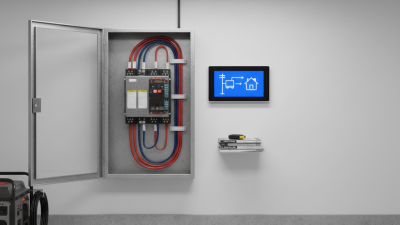
When selecting the right power transfer switch, there are several key considerations to keep in mind to ensure optimal performance and safety. First and foremost, determining the power requirements for your specific application is essential. This includes understanding the total load that will be transferred and ensuring that the switch can handle the capacity without the risk of overload. Consulting with a qualified electrician can help in accurately quantifying your needs based on the equipment and devices that will be supported.

Another important factor is the type of transfer switch that will fit your operational setup. Automatic transfer switches (ATS) are designed for seamless transitions during outages, while manual transfer switches offer more control but require user intervention. Depending on how critical uptime is for your operations, choosing between these types can significantly impact performance. Additionally, consider the location and environmental conditions where the switch will be installed, as harsh weather or industrial settings may require more robust, weatherproof designs to ensure longevity and reliability.

Installation Best Practices for Optimizing Performance and Safety

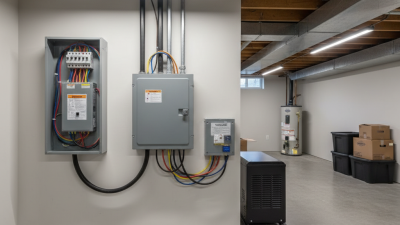
When installing a power transfer switch, following best practices is crucial to ensure both optimal performance and safety. Firstly, it’s essential to select the right location for your switch. Ideally, it should be easily accessible for operation and maintenance, yet secure enough to prevent unauthorized access. Ensure the installation area is free from moisture and other environmental hazards that could compromise the equipment.

Another critical aspect is to utilize proper wiring techniques during installation. Always adhere to national and local electrical codes to avoid safety risks. Use high-quality, appropriately rated cables and connectors that can handle the load requirements without overheating. It's also recommended to label all connections clearly to facilitate easier troubleshooting in the future.

Finally, don't overlook regular maintenance in your installation process. Establish a routine inspection schedule to check for any wear and tear, loose connections, or contaminants that could affect performance. Implementing a proactive maintenance approach not only prolongs the life of your transfer switch but also ensures uninterrupted power supply and enhanced safety for your electrical systems.

By diligently following these installation best practices, you can optimize the functionality and reliability of your power transfer switch while safeguarding the overall electrical infrastructure.

Essential Power Transfer Switch Performance Metrics

Routine Maintenance Tips to Extend Equipment Lifespan

Routine maintenance is crucial for extending the lifespan of your power transfer switch, ensuring optimal performance and safety. Regularly scheduled inspections can help identify potential issues before they become costly problems. Start by checking for signs of wear and tear, such as loose connections or corrosion on terminals. It’s vital to keep the switch clean and free from dust and debris, as these can impede its functionality. Ensuring that all moving parts are lubricated properly will also aid in minimizing friction and wear over time.

In addition to visual inspections, conducting functional tests periodically—such as simulating power outages—can further ensure that your transfer switch operates effectively when needed. Pay attention to the performance of the switch during these tests, looking for abnormal sounds or delays in operation.

Consider developing a maintenance log to track inspections, repairs, and any noticeable changes in performance. This documentation can serve as a valuable reference for future maintenance and help in identifying trends that may indicate declining performance. By prioritizing these routine maintenance tips, you can significantly enhance the reliability and longevity of your power transfer switch.

Safety Protocols and Emergency Procedures for Power Transfer Switches

Ensuring the safety and efficiency of power transfer switches is crucial for maintaining uninterrupted electrical service, especially in critical infrastructure sectors. According to the International Electrotechnical Commission (IEC), nearly 70% of power outages are attributed to failures in switchgear components, underscoring the importance of robust protocols and emergency procedures. Implementing a routine inspection schedule, as recommended by the National Fire Protection Association (NFPA), can help identify potential failures before they result in system outages. This proactive approach not only enhances reliability but also significantly reduces the risk of safety incidents.

In addition to regular inspections, establishing clear emergency procedures is vital for mitigating risks associated with power transfer switches. A study by the Institute of Electrical and Electronics Engineers (IEEE) highlights that proper training and ongoing education about emergency protocols can reduce response times by up to 40%. This improvement is critical when dealing with potential electrical hazards or during unexpected power failures. Establishing a clear chain of command, along with well-documented procedures, ensures that personnel are prepared to respond effectively, minimizing downtime and enhancing overall safety during power transitions.

Site Feedback
Close