What is an Off Grid Inverter and How Does it Work?
An Off Grid Inverter is a crucial component for those seeking energy independence. It converts the direct current (DC) generated by solar panels into alternating current (AC) for home use. This technology enables homeowners to operate appliances without relying on the grid.
Understanding how an Off Grid Inverter works can be complex. Many users struggle with technical specifications. It's essential to consider efficiency ratings, wattage, and battery storage. Proper installation and maintenance are vital for optimal performance. This device is not just an electrical tool; it empowers sustainable living. However, many forget the importance of matching their inverter to their specific energy needs.
The use of an Off Grid Inverter poses some challenges. Users may face issues like power surges or insufficient battery backup. Tracking energy production and consumption can be daunting. Many might overlook the necessity of regular monitoring and upkeep. Embracing off-grid living requires patience and dedication to understanding these systems.
What is an Off Grid Inverter?
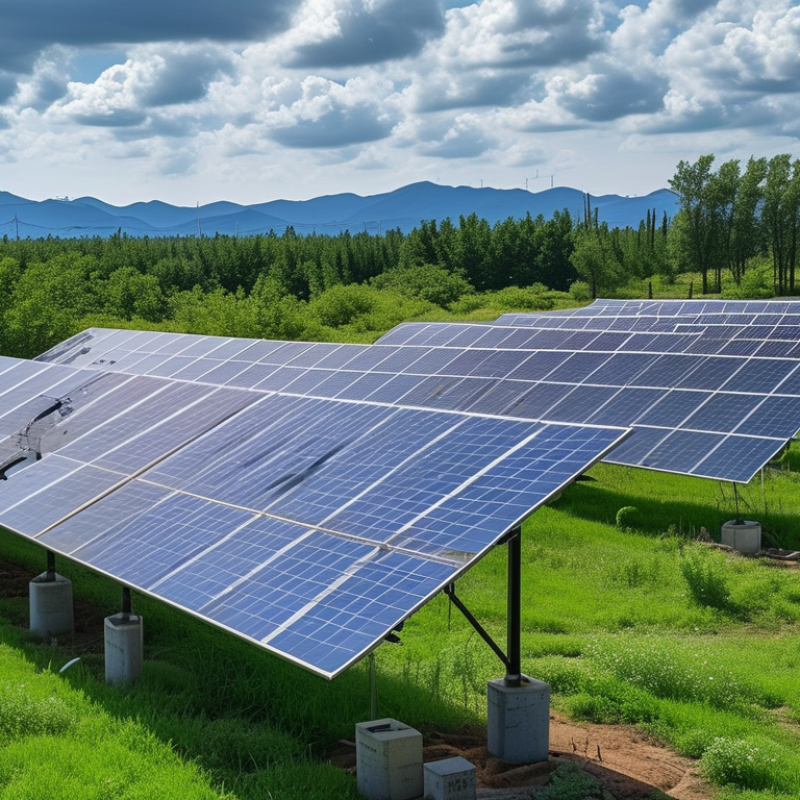
An off-grid inverter is a crucial component in renewable energy systems. It converts direct current (DC) power from solar panels or batteries into alternating current (AC) power. This AC power can then be used to run household appliances. According to the International Renewable Energy Agency (IRENA), the global off-grid solar market saw significant growth, expanding by 60% in the last few years. This reflects a rising interest in sustainable energy solutions.
The working mechanism of an off-grid inverter includes battery management features. It ensures that power is supplied reliably. For instance, advanced models can optimize battery charge and discharge cycles. This management is essential for energy storage systems. A study by the National Renewable Energy Laboratory (NREL) indicates that proper inverter management can extend battery life by up to 30%.
Despite their advantages, off-grid systems have limitations. They can be expensive to install and require regular maintenance. Users also face challenges in energy consumption management. This can lead to power shortages during peak usage times. It's essential to assess energy needs accurately before investing in these systems. Balancing renewable energy production and consumption remains a critical point for many users.
Key Components of Off Grid Inverters
Off-grid inverters are essential for converting DC power from solar panels or batteries into AC power. Understanding their key components helps optimize energy efficiency. The main parts include the inverter unit, battery bank, charge controller, and safety features.
The inverter unit is the heart of the system. It changes DC electricity into AC power for household use. A reliable inverter should handle your energy needs without fluctuations. A well-sized battery bank stores energy for nighttime or cloudy days. It ensures continuity in power supply.
Tips: Regularly maintain your battery bank to extend its lifespan. Monitor the state of charge to avoid deep discharges, which can harm the batteries. A charge controller regulates the energy flowing into the batteries, preventing overcharging. Choose a high-quality controller to protect your investment.
Safety features in off-grid inverters are crucial. They typically include surge protection and over-temperature shutdown. These ensure the system operates within safe limits. However, not all systems come with robust safety mechanisms, so research is essential. Consider integrating external safety solutions for additional protection.
Key Components of Off Grid Inverters
How Off Grid Inverters Function in a Power System
Off-grid inverters play a crucial role in renewable energy systems. They convert direct current (DC) from solar panels or wind turbines into alternating current (AC) power. Off-grid systems are essential for rural areas, where grid access is limited. According to industry data, over 2 billion people globally lack reliable electricity. Off-grid solutions can significantly improve their quality of life.
These inverters are designed to function independently of the traditional power grid. They manage energy storage in batteries, ensuring a continuous power supply. During peak production times, excess energy can be stored. Recent studies show that efficient off-grid systems can reduce energy costs by up to 50%. However, many installations face challenges, like battery lifespan and inverter efficiency.
Understanding the limitations of off-grid inverters is vital. They can be sensitive to load changes, impacting performance. An ineffective load management strategy can lead to energy waste. Continuous advances in technology offer potential solutions to these problems, yet implementation remains inconsistent. Investing in education about off-grid systems is essential for better deployment and reliability.
Benefits of Using Off Grid Inverters
Off grid inverters are crucial for those seeking energy independence. They convert direct current (DC) from renewable sources into alternating current (AC) usable for homes. One key benefit is reliability. A study by the National Renewable Energy Laboratory shows that off grid systems can maintain power during grid outages. This feature enhances safety and resilience.
Another significant advantage is sustainability. Off grid systems often rely on solar or wind energy. According to the International Renewable Energy Agency, renewable energy capacity has grown by 8% in the past year alone. Utilizing off grid inverters minimizes carbon footprints, contributing to global sustainability efforts. However, the initial investment can be high, which may deter some consumers.
Moreover, off grid inverters offer flexibility in installation. They can be adapted to various environments, from rural homes to camping sites. This versatility makes them appealing. Yet, as usage increases, the need for better battery technology arises. While many users enjoy their energy independence, the ongoing struggle for efficient energy storage remains a topic of concern. Balancing these benefits with challenges is essential for potential users.
Common Applications of Off Grid Inverters
Off-grid inverters play a critical role in renewable energy systems. Their primary function is to convert direct current (DC) from solar panels or batteries into alternating current (AC) for household appliances. This technology is particularly useful in remote locations where grid electricity is unavailable. Off-grid inverters ensure energy independence by allowing users to harness and utilize renewable resources effectively.
Common applications of off-grid inverters include remote cabins, RVs, and agricultural sites. In cabins, they help power lighting, refrigeration, and heating without needing grid access. For RV enthusiasts, these inverters make it possible to enjoy modern comforts while exploring the outdoors. Farmers often utilize off-grid inverters for energy needs on their properties, such as powering irrigation systems.
Tips: When considering an off-grid inverter, think about your energy needs carefully. Choosing the right inverter can prevent power shortages. Monitor your energy consumption closely. You may find that minor adjustments lead to significant savings. Remember, installing an off-grid system requires proper planning and execution, so do your research first.