What is Low Voltage Electrical Equipment and Its Benefits?
Low-voltage electrical equipment plays a crucial role in modern power distribution. It encompasses devices that operate safely within a low-voltage range. This includes circuit breakers, transformers, and switches, widely used in residential and industrial settings. The primary benefit is safety. Unlike high-voltage systems, low-voltage electrical equipment minimizes the risk of electrical shock, making it ideal for homes and public spaces.
The efficiency of low-voltage electrical systems is also notable. These devices consume less energy while delivering the same performance. This leads to lower utility bills and a reduced carbon footprint. Moreover, low-voltage electrical systems are easier to install and maintain. They require less complex infrastructure, making them more accessible for smaller projects. However, one must be aware of installation quality. Poor installation can lead to failures and increased costs.
In the evolving landscape of renewable energy, low-voltage electrical equipment remains vital. As we adopt new technologies, understanding these systems becomes more important. They will not only power our lives but also promote sustainability. The shift towards greener energy solutions highlights the need for reliable and efficient low-voltage systems.
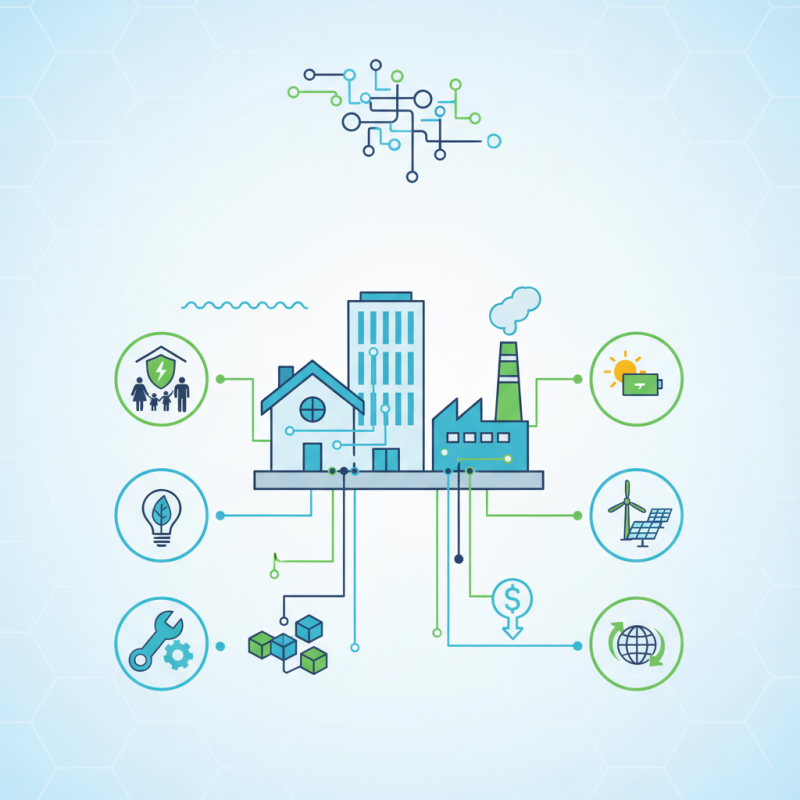
Definition of Low Voltage Electrical Equipment
Low Voltage Electrical Equipment (LVE) refers to electrical devices designed to operate at voltages between 50 and 1,000 volts. This category includes switches, circuit breakers, and distribution boards. Its main function is to distribute electrical energy safely and efficiently. A report by the International Electrotechnical Commission states that LVE plays a crucial role in industrial and residential setups, ensuring reliable performance while minimizing risks.
LVE systems are beneficial in numerous ways. They enhance safety by reducing the risks of electric shock. Moreover, these systems are energy-efficient, contributing to lower operational costs. Research indicates that companies using LVE equipment often see a 20% reduction in energy consumption. This not only saves money but also supports sustainable practices.
Tips:
When selecting LVE equipment, prioritize compliance with industry safety standards. Regular maintenance is essential too. It ensures optimal performance and prolongs equipment life. Always consult with electrical professionals to assess specific needs and potential improvements.
Common Types of Low Voltage Electrical Equipment
Low voltage electrical equipment plays a crucial role in modern electrical systems. These devices operate at voltages below 1000 volts, ensuring safety and efficiency. Common types of low voltage equipment include circuit breakers, contactors, relays, and distribution boards. According to the International Electrotechnical Commission, the low voltage market is expected to reach $50 billion by 2025. This growth highlights the increasing reliance on these components in various applications.
Circuit breakers, for example, are essential for protecting electrical circuits from overloads and faults. They automatically interrupt power flow, preventing potential hazards. Contactors, on the other hand, are used to control power to motor loads, offering reliable operation. With the rise of smart grid technology, low voltage equipment is evolving. They are integrating with digital systems for real-time monitoring and management of electrical infrastructure.
When selecting low voltage equipment, ensure proper specifications are met. Regular maintenance is vital for optimal performance. Tips for maintenance include routine inspections and testing, which can significantly extend the lifespan of the equipment. Understand that while these systems are designed for safety, they still require diligent care. An oversight in maintenance can lead to failures that disrupt operations. Always keep safety gear and procedures in mind when working with electrical systems.
Key Benefits of Using Low Voltage Electrical Equipment
Low voltage electrical equipment is crucial in modern electrical systems. It operates at voltage levels below 1,000 volts. This equipment includes circuit breakers, lighting fixtures, and transformers. The key benefits of using low voltage equipment are significant for both safety and efficiency.
Safety is paramount. Low voltage devices reduce the risk of electric shock and fire hazards. They are easier to manage and install compared to high voltage equipment. This promotes a safer working environment for electricians and maintenance personnel. Less voltage means less danger, which is appealing for residential installations.
Using low voltage can also save energy. These systems tend to consume less electricity, which leads to lower utility bills. In addition, they often require fewer resources for installation and maintenance. This efficiency contributes to sustainability efforts.
Tips: Always consider the load requirements before choosing low voltage devices. Consult with professionals to ensure appropriate selections. Proper installation is vital to achieve the full benefits of low voltage systems. Regular maintenance checks can prevent potential issues and extend the lifespan of your equipment.
What is Low Voltage Electrical Equipment and Its Benefits? - Key Benefits of Using Low Voltage Electrical Equipment
| Dimension | Details |
| Definition | Electrical equipment that operates at low voltage levels, typically below 1000 volts. |
| Applications | Used in residential, commercial, and industrial settings for lighting, controls, and power distribution. |
| Safety | Lower risk of severe electrical shock or fire hazards compared to high voltage equipment. |
| Energy Efficiency | Often designed to consume less energy, contributing to lower utility costs. |
| Maintenance | Typically requires less complex maintenance, reducing overall operational costs. |
| Regulatory Compliance | Meets various safety standards and regulations, providing peace of mind for users. |
| Scalability | Easily scalable to accommodate changes in demand or system upgrades. |
Applications of Low Voltage Electrical Equipment in Various Industries
Low voltage electrical equipment plays a crucial role across multiple industries. In construction, low voltage power distribution systems enhance safety and efficiency. According to a recent report by the International Electrotechnical Commission, nearly 30% of electrical accidents occur in construction sites. Low voltage solutions help mitigate these risks by providing safer operational environments.
In the manufacturing sector, the demand for low voltage devices is surging. Research from the Global Electrical Equipment Market indicates a projected growth rate of 7% annually. This growth is driven by the need for automation and efficient energy management. Low voltage equipment is vital for smart technologies in factories, improving productivity and reducing energy consumption. Many older systems lack the capabilities that modern low voltage solutions offer.
Transportation also benefits significantly from low voltage systems. For instance, train signaling and lighting systems are increasingly relying on these technologies. Low voltage systems help ensure smooth transit operations and enhance passenger safety. However, ongoing advancements and integrations pose challenges. Integration with legacy systems is sometimes complex and costly. This highlights a crucial area for improvement.
Safety Standards and Regulations for Low Voltage Equipment
Low voltage electrical equipment plays a critical role in various applications, allowing safe operation at lower energy levels. In recent years, safety standards for such equipment have become more stringent. The International Electrotechnical Commission (IEC) emphasizes compliance with IEC 60947 standards, which guide the design and testing of low voltage devices. Non-compliance can result in significant risks, including electrical fires and equipment malfunctions.
Manufacturers must regularly undergo testing to meet these standards. According to the National Fire Protection Association (NFPA), improper low voltage installations lead to over 10,000 electrical fires each year. Regular audits and adherence to the National Electrical Code (NEC) help ensure the safety of installations. It’s crucial for professionals in the field to stay updated on these regulations to protect both lives and property.
Tips: Always verify that low voltage equipment has proper certification. Ensure that installation is performed by qualified personnel. Regular maintenance checks can prevent accidents and extend equipment lifespan, making them essential to any safety program.
Benefits of Low Voltage Electrical Equipment
Low voltage electrical equipment offers numerous benefits including enhanced safety, energy efficiency, cost-effectiveness, versatility, and ease of maintenance. This chart represents the rating of these benefits on a scale of 1 to 10.