Skip to content
Menu Close

Top Screen Printing Machine Manufacturers Worldwide?

Choosing a Screen Printing Machine manufacturer is not simply a matter of comparing prices. Buyers must weigh production speed, print consistency, service access, spare-part availability, and the materials a machine can handle. A press that performs well on a showroom floor may behave differently during a long production run. Small details matter: registration accuracy, changeover time, and the space needed around the machine.

Market reports offer useful context, but their scope deserves attention. Grand View Research estimated the global screen printing market at USD 3.7 billion in 2022 and projected a 3.9% compound annual growth rate from 2023 to 2030. That figure covers the broader screen printing market, not machine sales alone. Smithers’ industry research, including The Future of Global Printing to 2028, also provides context on changing print markets and investment pressures. Neither source, by itself, establishes which manufacturer is best. No ranking is perfect.

This guide compares leading manufacturers worldwide through practical criteria: product range, automation options, documented technical support, and suitability for different production scales. Company specifications and service claims should be checked directly before purchase, since models and regional support can change. Treat the list as a starting point, not a final verdict. The right choice depends on what you print, how often you print it, and the problems you need the machine to solve.
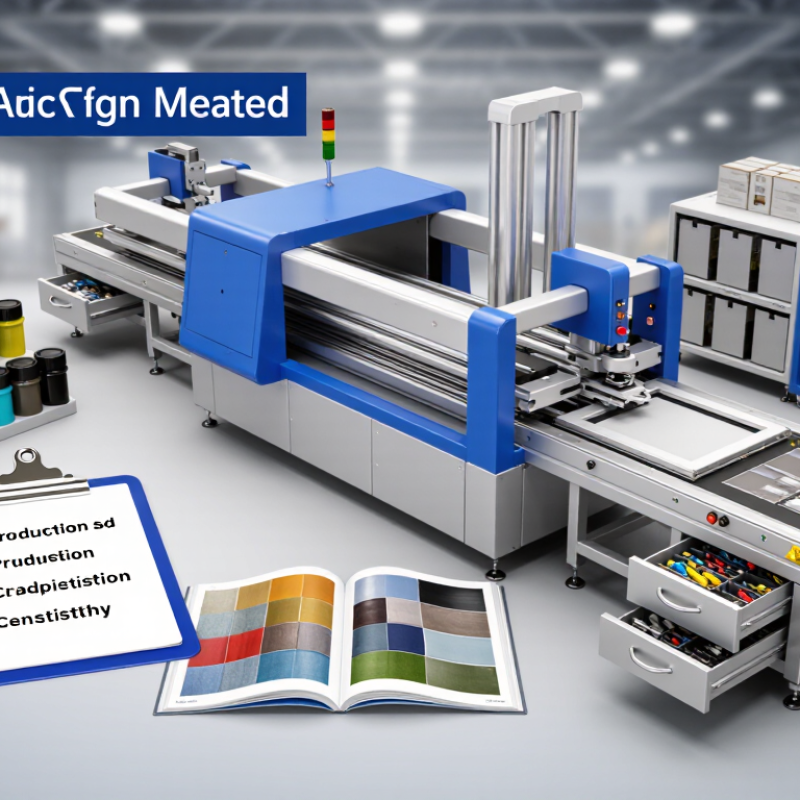
Top Screen Printing Machine Manufacturers Worldwide?

What Screen Printing Machines Do and How They Are Used

Screen printing machines transfer ink through a mesh screen, while a stencil blocks areas that should remain unprinted. A squeegee moves ink across the mesh and onto the material below. The result is a bold, tactile layer of color. Useful detail: the screen, ink, pressure, and drying method all affect the final print.

Manual presses suit short runs and hands-on work. Semi-automatic and automatic machines help shops repeat prints faster across larger batches. Flatbed systems commonly handle garments, signs, and paper; specialized setups print on rigid objects or curved surfaces. Grand View Research’s 2024 Screen Printing Market analysis estimated the global market at US$3.7 billion in 2023, reflecting demand across applications such as textiles, signage, and electronics. That figure describes the market, not machine sales alone. For reliable results, operators test ink on the actual substrate, check screen alignment, and allow proper curing. A small shift can blur an edge. Settings are a starting point, not a promise.

How Screen Printing Machine Manufacturers Are Evaluated

Evaluating screen printing machine manufacturers starts with evidence, not catalog claims. Ask for a live demonstration using the fabric, ink, and image size your shop actually runs. Watch registration across repeated prints, especially near fine lines and small text. Check curing consistency too; a crisp image can still fail after washing. Small details matter.

Production speed should be measured alongside setup time, changeover effort, and reject rate. An impressive cycle-time figure means little if operators spend twenty minutes correcting alignment. Review frame compatibility, squeegee adjustment, platen stability, and access to routine wear parts. Ask how faults are diagnosed and whether service guidance includes clear diagrams and realistic response times. Documentation is often overlooked.

Reliable assessment also considers operator training, guarding, cleaning access, and the machine’s fit within existing floor space. Request sample jobs and references from users with similar materials and output volumes. Compare the full operating cost, including energy use, maintenance intervals, and consumables—not only purchase price. No score is perfect. Weight the criteria openly, then record where assumptions remain uncertain; even a careful test may not predict every production shift.

Leading Screen Printing Machine Manufacturers by Region

Leading Screen Printing Machine Manufacturers by Region

Screen printing machine manufacturers are concentrated in several industrial regions, each with different strengths. East Asian suppliers often offer broad equipment ranges, from compact manual presses to automated production lines. European manufacturers tend to emphasize precision engineering and configurable systems for specialized work. In North America, buyers may find strong options for custom layouts and integration with existing shop equipment. South Asian suppliers can offer practical machines at varied price points, though specifications and service coverage differ. These are patterns, not guarantees.

Regional reputation alone is a weak buying guide. Compare print-area dimensions, registration accuracy, cycle speed, and compatible inks against your actual jobs. Ask for a live demonstration using a screen and substrate similar to yours. Check whether replacement parts are stocked nearby, and get training and warranty terms in writing. Details matter. A fast machine can still cause delays if setup is difficult or support is distant. That comparison is not always tidy; published speed figures may reflect ideal conditions rather than a real production shift.

Tips: Request a sample print and a clear parts list before ordering. Measure the machine’s footprint, including room for operators and screen loading. Test before committing. Ask how routine calibration is handled, and confirm response times for technical support.

Top Screen Printing Machine Manufacturers Worldwide: A Regional Overview

Regional company rankings and comparable manufacturer counts are not consistently published. This chart instead compares common screen-printing machine configurations without naming companies or brands.

Station counts describe example configurations, not regional market share or manufacturer rankings. Available setups vary by machine and application.

How Manufacturers Differ in Technology and Machine Specialties

Screen-printing machine manufacturers differ less by headline speed than by the jobs their equipment handles well. Flatbed presses suit rigid panels, signs, and control boards, where registration accuracy matters across repeated colors. Cylinder presses move curved containers beneath the screen, while rotary systems support long textile runs.

A practical comparison should include substrate range, maximum print area, color-to-color registration, changeover time, and cleaning access. Look closely at the frame and squeegee settings. Small setup differences can affect consistency.

Automation is another dividing line. Some machines offer automatic loading, vision registration, and recipe storage; others prioritize straightforward manual adjustments for short runs. FESPA’s 2023 Print Census collected responses from more than 1,800 print businesses worldwide. Its scale is useful context, but it is not a controlled test of press performance.

That distinction matters.

Ask manufacturers for sample prints on your actual material, plus documented cycle times and setup requirements. A fast quoted speed may exclude loading, curing, or color changes. I would also check spare-part availability and operator training; these details are easy to overlook, and sometimes the published specifications do not tell the whole story.

Factors to Compare When Selecting a Manufacturer

Choosing a screen printing machine manufacturer starts with the work you actually produce. Consider the materials, print sizes, ink types, and daily output your shop needs. A machine suited to short runs may struggle with continuous production. Ask for cycle-time figures under conditions similar to yours, not just ideal demonstrations. That matters.

Compare registration accuracy, setup time, and how easily operators can adjust the machine. Request a live test using your artwork and substrate. Look closely at fine lines, repeated colors, and print consistency across several pieces. A polished sample is useful, but it does not show how quickly a job can be changed. Watch the details.

Support deserves the same scrutiny as specifications. Ask about operator training, replacement-part availability, response times, and troubleshooting materials. Confirm what installation includes and whether service can be provided remotely or on-site. Then compare the full cost: tooling, shipping, maintenance, energy use, and expected downtime. The lowest purchase price may not be the least expensive choice over several years.

Check whether the manufacturer can document performance claims and share references from businesses with comparable workloads. If possible, speak with those operators about everyday reliability, not only first impressions. One detail buyers may overlook is floor space around the machine; access for cleaning and maintenance can become awkward. I would also leave room for uncertainty: forecasts change, and a machine chosen only for today’s workload may soon feel limiting.

Top Screen Printing Machine Manufacturers Worldwide? - Factors to Compare When Selecting a Manufacturer

Use this manufacturer-neutral checklist to compare documented specifications, support, and operating costs. Request comparable data for the same job and materials; figures should be confirmed in writing.

Comparison factor Data to request How to compare Evidence to verify
Machine configuration Manual, semi-automatic, or automatic; number of print stations and colors Match the configuration to production volume, staffing, and required color changes. Machine layout, station count, and a demonstration using a representative job
Maximum print area Maximum image dimensions and compatible platen or worktable sizes, in millimetres or inches Check against the largest intended artwork and substrate, allowing for loading and registration. Technical specification sheet and a sample setup at the required print size
Substrate compatibility Supported material types, thickness range, and workpiece size or shape limits Test the actual materials. Compatibility depends on the machine setup, ink, screen, and curing process. A print trial on customer-supplied samples and documented operating limits
Production speed Rated cycle rate and expected production output, stated in impressions per hour or another defined unit Compare like-for-like jobs and ask whether the figure includes loading, unloading, setup, and curing. Timed demonstration with the intended artwork, substrate, and operating sequence
Registration and repeatability Registration method, adjustment range, and any stated repeatability tolerance Compare multi-color alignment performance on a repeated production run, not only a single print. Written tolerance where available and measured samples from a repeat-job test
Setup and changeover Screen, platen, and job-change procedures; adjustment tools and setup features Consider the time and skill needed for typical job changes and short production runs. Observed changeover demonstration and operator training documentation
Curing-line integration Required dryer or curing method, conveyor interface, working width, and line-speed requirements Confirm that the printing and curing stages can handle the same substrate and production workflow. Integration drawing and a complete print-to-cure process test
Utilities and installation Electrical supply, compressed-air requirements if applicable, machine footprint, and access clearances Check the specification against the facility's available power, air supply, floor space, and delivery access. Installation manual, utility schedule, and site-preparation checklist
Safety and compliance Applicable safety features, guarding, emergency stops, and compliance documents for the destination market Requirements vary by jurisdiction; verify the standards and documents applicable at the installation site. Risk and compliance documentation, manuals, and inspection records as applicable
Service and spare parts Service coverage, response process, technician availability, and spare-parts ordering lead times Compare support for the machine's installation region and clarify which services incur additional charges. Written service terms, parts list, and escalation procedure
Warranty and training Warranty period and exclusions, commissioning scope, operator training, and training format Compare coverage and included services rather than warranty duration alone. Warranty document, commissioning plan, and training agenda
Total cost of ownership Purchase and installation costs, utilities, consumables, maintenance, training, and expected service expenses Evaluate costs over the same planned operating period and production workload. Itemized quotation, maintenance schedule, and clearly stated cost assumptions
Site Feedback
Close