Why is a Regulated Power Supply Important for Electronics?
In the world of electronics, a Regulated Power Supply plays a crucial role. It ensures devices receive a stable voltage level. Inconsistent power can lead to device malfunction. This is especially important for sensitive components. For instance, microcontrollers require specific voltages to operate correctly. A minor fluctuation can cause them to reset or fail.
Moreover, the importance of power regulation extends beyond simple operation. A Regulated Power Supply can improve efficiency and extend the lifespan of electronic devices. It prevents overheating and reduces wear on components. However, many neglect this aspect. They think any power source will suffice, but that is a misconception. Using an unregulated power supply may save money initially. Yet, it can lead to costly repairs or replacements down the line.
Additionally, consider scenarios where electronics are used in varying environments. Temperature changes can affect power supply performance. A Regulated Power Supply adapts better to these conditions. It provides a level of reliability that unregulated supplies cannot guarantee. Emphasizing the need for proper power sourcing is vital. Without it, even the most advanced devices can falter in functionality.
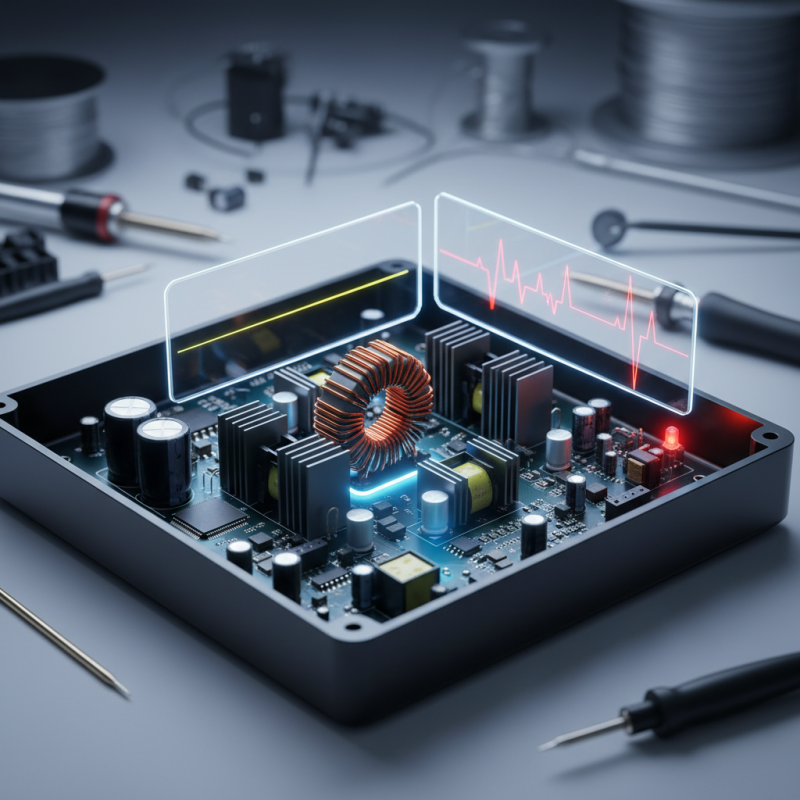
Importance of Voltage Regulation in Power Supplies for Electronics
Voltage regulation plays a crucial role in power supplies for electronics. It ensures that devices receive a stable voltage level. Fluctuations can cause poor performance or even damage. According to a report from the International Electrotechnical Commission (IEC), voltage irregularities are one of the leading causes of electronic failures.
Tips: Always check the input voltage range before connecting devices.
Stable voltage is essential for many applications. For instance, sensitive equipment in medical devices needs precise voltage levels. A variance of just a few volts can lead to inaccuracies. The IEEE states that unstable power supplies can increase malfunction rates by up to 30%. This statistic highlights the importance of adequate voltage regulation.
Tips: Use a multimeter to measure voltage output regularly.
In some cases, users overlook voltage regulation. They may assume all supplies are equal. This can be detrimental. Poorly regulated supplies can introduce noise into circuits, affecting performance. Engineers must assess voltage needs thoroughly. Adequate regulation not only protects devices but enhances functionality.
Impact of Ripple Voltage on Electronic Circuit Performance and Reliability
Ripple voltage can significantly affect the performance of electronic circuits. In simple terms, ripple voltage refers to the small, unwanted voltage fluctuations that occur in a power supply. These fluctuations can lead to inconsistent performance. When devices receive unstable power, they may misbehave or fail to function altogether.
For sensitive electronic components, ripple can be particularly detrimental. It introduces noise, which can disrupt signals in communication devices. Additionally, increased heat generation may occur due to ripple, affecting overall reliability. Capacitors and other components may wear out faster when exposed to high ripple levels. Electronics relying on stable power suffer when ripple is prevalent.
Engineers often overlook ripple voltage when designing circuits. It's easy to focus on other factors, like efficiency and size. However, the impact of ripple voltage needs thorough consideration. Without addressing it, circuits may fall short of their intended performance. A regulated power supply can help minimize these issues, but attention to detail is crucial in the design phase.
Role of Power Supply in Preventing Overvoltage and Undervoltage Conditions
A regulated power supply plays a crucial role in the operation of electronic devices. It helps maintain a consistent voltage level. Fluctuations can cause overvoltage or undervoltage conditions, leading to equipment failure. This failure can be costly and inconvenient for users.
Overvoltage can damage sensitive components. For example, microcontrollers are at risk when voltage exceeds their limits. Undervoltage can result in improper functioning. Devices may not power up or can behave erratically. Protecting electronic systems is essential for longevity and reliability.
**Tip:** Always check the specifications of your devices. Use a power supply that matches their voltage requirements.
When selecting a power supply, consider its regulation ability. Look for features like short circuit protection. This ensures that even in failure scenarios, your electronics remain safe.
**Tip:** Regular maintenance of the power supply is vital. Inspect connections and cables frequently for wear and tear. Prevention is better than dealing with a malfunction.
Importance of Regulated Power Supply in Electronics
The chart above illustrates the voltage stability provided by regulated and unregulated power supplies. A regulated power supply maintains a consistent output voltage of 5V, whereas an unregulated supply can fluctuate up to 12V, highlighting the importance of regulation in preventing potential overvoltage and undervoltage conditions.
Analysis of Load Regulation and Its Effect on Electronic Device Efficiency
A regulated power supply significantly affects the efficiency of electronic devices. Load regulation, which refers to the ability of a power supply to maintain its output voltage within specified limits despite changes in load current, plays a crucial role. A typical regulated power supply should keep voltage variation below 5% as the load fluctuates. Devices that exceed this percentage may face malfunctions or performance drops.
Inadequate load regulation can lead to inefficiencies. For instance, a power supply with a 10% voltage variation can reduce the operational lifespan of sensitive components. According to industry reports, electronic devices with stable power sources demonstrate 20% better energy efficiency. This efficiency gain translates to lower energy costs and enhanced performance.
Tips: Ensure your power supply unit is properly rated. Check the load regulation specifications before making a purchase. Regular testing can also help identify potential issues early. Remember, not all devices experience power fluctuations equally, so assess your specific needs carefully. Don't overlook minor voltage drops—they can have significant impacts over time.
Statistics on Power Supply Failures and Their Consequences in Electronics
Power supply failures in electronics can lead to significant consequences. According to industry statistics, around 30% of electronic device failures are tied to power supply issues. These failures can lead to system malfunctions, data loss, or even permanent damage. Such incidents can be costly for companies, often reaching thousands of dollars per hour in downtime. To minimize these risks, a regulated power supply is essential, ensuring consistent voltage and current.
In the past year, reports indicate that improper voltage levels caused nearly 40% of equipment failures. Unexpected surges or drops can create havoc in sensitive devices. A sudden spike in voltage can fry components in seconds. It's alarming to think about how many devices are vulnerable. Without proper regulation, even high-end equipment is at risk. The reliability of a regulated power supply protects against these unpredictable conditions.
Reflecting on these statistics shows the critical role of power management. Engineers must prioritize power supply design in their projects. Whether in consumer electronics or industrial machinery, the need for a reliable power source is clear. The dependency on electronics is ever-growing, making this aspect crucial for longevity and efficiency. The data urges a deeper look into the power supply systems we often overlook.