How to Choose the Right Hydraulic Seal?
Choosing the right Hydraulic Seal is essential for safe, efficient, and reliable fluid power equipment. A seal may look like a small component, yet it controls leakage, protects internal parts, and supports consistent pressure. In a working cylinder, the seal faces heat, friction, pressure changes, and contaminated oil. A poor match can cause damaged rods, sudden performance loss, or repeated maintenance.
This guide explains the practical factors behind a dependable seal selection. Material compatibility matters. So does pressure. You must also check temperature, fluid type, shaft speed, groove dimensions, and installation conditions. Polyurethane may suit demanding hydraulic applications, while PTFE can perform well under higher temperatures and chemical exposure. However, no material works perfectly in every environment. That detail is often missed.
Experienced technicians usually inspect the original seal, measure the housing, and review the equipment manual before ordering replacements. They also examine wear patterns. A torn lip may indicate poor installation, excessive pressure, or surface damage rather than simple seal aging. Small clues matter.
The process is not always straightforward. Some equipment has incomplete records, and field measurements may be imperfect. Therefore, selection should combine manufacturer data, application experience, and verified dimensions. When uncertainty remains, consult a qualified seal supplier or hydraulic engineer. A careful choice costs less than repeated downtime. This guide will help you compare seal profiles, materials, designs, and operating conditions with greater confidence.
Define Pressure, Temperature, Speed, and Fluid Requirements for the Seal
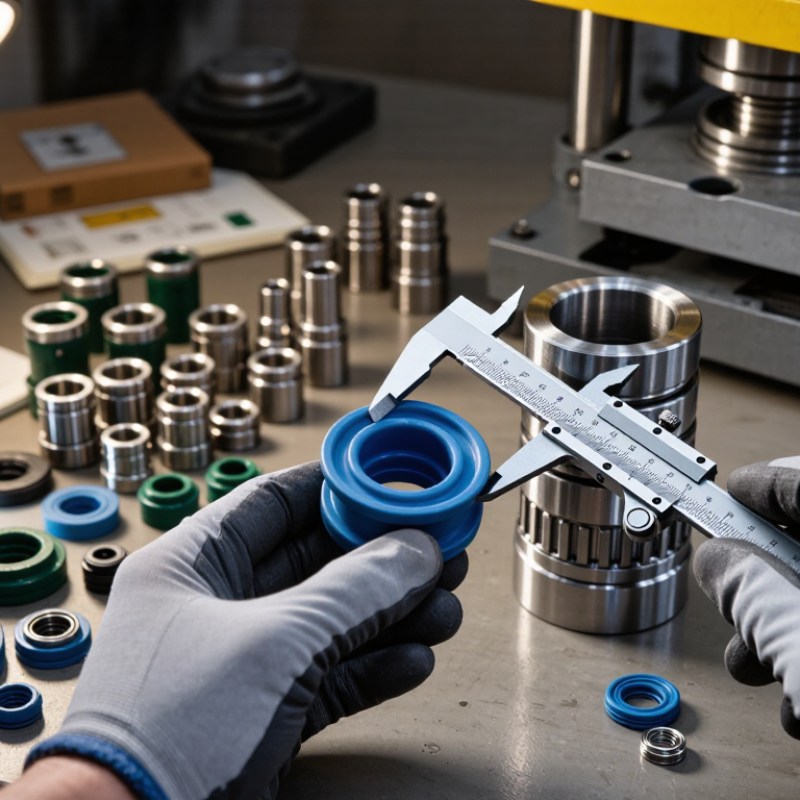
Choosing the right hydraulic seal starts with operating conditions, not catalog shape. Record maximum and continuous pressure at the actual cylinder port. A gauge reading of 160 bar may hide pressure spikes during impact. Note whether pressure is static, reciprocating, or rapidly reversing. Pressure rating alone is insufficient. Confirm extrusion gaps, housing clearance, and backup-ring requirements using engineering drawings and recognized seal specifications.
Measure fluid and nearby surface temperatures after sustained operation. Short cold starts can behave differently from a warm afternoon cycle. Select material for continuous temperature, peak temperature, and exposure time. Then calculate rod or piston speed from stroke length and cycle time. Fast motion can generate heat, while slow motion may cause stick-slip. Check lubrication and surface finish. A polished rod is not automatically suitable. Small scratches matter.
Identify the exact fluid, additives, water content, and cleaning chemicals. Compatibility charts help, but service testing is more dependable when uncertainty remains. Request immersion data at the working temperature. In field repairs, seals often fail because the fluid changed, not because installation was careless. I have seen a replacement pass pressure testing but leak after several hours. That result deserves investigation. Review groove dimensions, compression, installation tools, and contamination control. Leave room for doubt. Operating conditions rarely stay perfect.
How to Choose the Right Hydraulic Seal?
Define pressure, temperature, speed, and fluid requirements before selecting the seal material.
How to read this chart: The bars show representative working-pressure ranges commonly used for hydraulic seal materials. Actual limits depend on seal geometry, extrusion gap, installation, and duty cycle. NBR is widely used with mineral-oil fluids at moderate temperatures, polyurethane offers strong wear resistance, FKM supports higher continuous temperatures, and PTFE is suitable for high-temperature or chemically demanding applications. Confirm the required pressure, operating temperature, sliding speed, and fluid compatibility before final selection.
Select ISO 3601 O-Rings by Groove Size, Pressure, and Tolerance
How to Choose the Right Hydraulic Seal?
Select ISO 3601 O-rings by groove size, pressure, and tolerance. Start with the groove, not the seal bag. Measure groove diameter, width, depth, and surface finish with calibrated tools. ISO 3601-1 defines O-ring dimensions and dimensional tolerances, while ISO 3601-2 provides housing design guidance. A small depth error can reduce squeeze and cause leakage. Measure twice.
Pressure changes the design decision. Check the actual working pressure, pressure spikes, temperature, fluid type, and extrusion gap. ISO 3601-3 classifies visible surface imperfections and acceptance criteria, but it does not guarantee performance in every hydraulic assembly. That distinction matters. A seal may pass inspection yet fail under rapid cycling. Industry hydraulic safety guidance commonly treats contamination, poor finish, and excessive clearance as major reliability risks. Use a back-up ring when the pressure and extrusion gap require it. Confirm the recommendation against the equipment manufacturer’s engineering data.
Tolerance selection needs restraint. Excessive squeeze increases friction and heat; insufficient squeeze permits leakage during low pressure or thermal movement. ISO 3601 tolerances should guide the seal selection, while the groove tolerance controls the real installation result. I have found that drawings often hide worn bores or rounded groove edges. That is an uncomfortable gap in the process. Record measurements from several positions, then compare them with ISO 3601 housing limits and the seal supplier’s pressure tables. Test with the real fluid whenever possible. Static success is not enough.
Verify ISO 815 Compression Set and Installation Requirements
How to Choose the Right Hydraulic Seal?
A hydraulic seal should be selected from measured conditions, not a catalog picture. Verify the seal material, working temperature, pressure, fluid, speed, and movement type. Then review its ISO 815 compression set data. This test measures how much sealing material remains permanently deformed after compression, heat, and a controlled period. Lower recovery can reduce sealing force over time. That matters during cold starts and long service intervals.
Ask for the test temperature, test duration, specimen type, and reported result. Numbers without conditions can mislead. Compare the report with your actual operating environment. A seal tested at one temperature may behave differently near a hot cylinder head. Check the production lot, too. Laboratory results are useful, but they are not the whole decision.
Installation requirements deserve equal attention. Confirm groove width, depth, seal squeeze, housing tolerances, and surface finish. Remove sharp edges and add a proper lead-in chamfer. Use a compatible assembly lubricant. Do not twist the seal during installation. A tiny cut may become a visible leak after pressure rises.
Keep the groove clean. Surprisingly important.
Field experience often exposes missed details. A seal can meet ISO 815 requirements and still fail because the groove was undersized. I have seen installation speed create avoidable damage. Recheck drawings, tools, and operator technique before blaming the material. The best choice is the seal whose tested recovery, geometry, and installation process match real service conditions.