10 Essential Tips for Choosing the Right Auto Transfer Switch for Your Home
In today's rapidly evolving energy landscape, ensuring a reliable power supply for homes has become more critical than ever. The increasing frequency of power outages—reported to affect over 60 million Americans annually—highlights the importance of backup power solutions. Among these, the **auto transfer switch** (ATS) stands out as an essential component for seamlessly switching between utility power and backup generators. According to a recent report by the International Energy Agency, the adoption of home generators has surged by nearly 30% over the past five years, underscoring the need for efficient and reliable switching solutions to protect household energy needs.
Choosing the right auto transfer switch is crucial for ensuring that your home remains powered during outages without disruption. With options ranging from manual to fully automated systems, consumers face an array of choices that can lead to confusion. The National Electrical Manufacturers Association emphasizes that selecting a switch that aligns with both your home's electrical demand and generator capacity can lead to significant safety and operational advantages. This guide aims to simplify the decision-making process by providing the top five essential tips for selecting the right auto transfer switch for your home, ensuring that you are well-prepared for any power interruption.
Understanding the Purpose of an Auto Transfer Switch
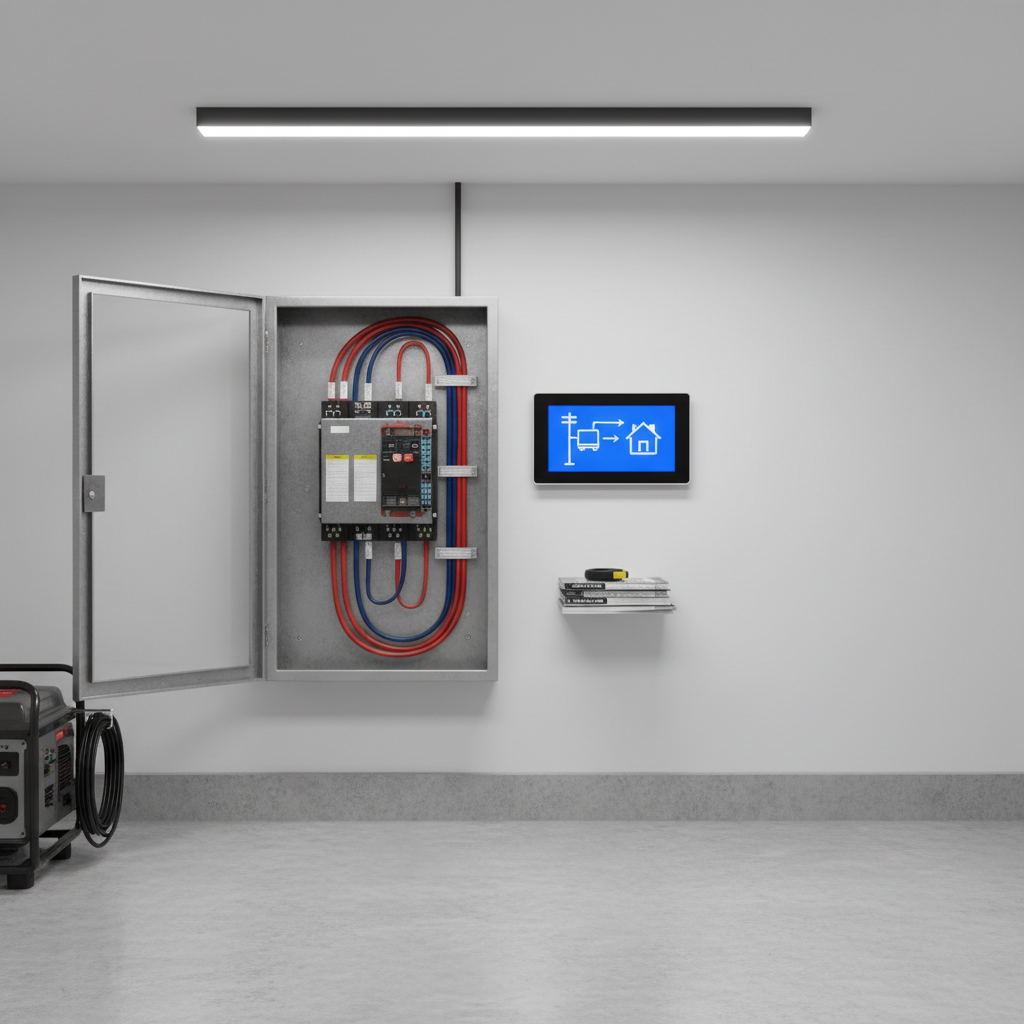
 An auto transfer switch (ATS) is a critical component in ensuring uninterrupted power supply during outages, particularly for residential setups reliant on backup generators. The primary purpose of an ATS is to automatically detect when utility power fails and seamlessly switch to a backup power source, thus preventing disruptions in electrical service. According to the National Electrical Manufacturers Association (NEMA), nearly 30% of power disruptions in homes are due to grid failures, emphasizing the necessity for reliable backup solutions.
When selecting the right ATS, it's crucial to consider its key functions. The device not only facilitates the automatic switching process but also ensures that the various electrical loads in your home are appropriately managed. A report by the Electric Power Research Institute (EPRI) indicates that homes using ATS systems can reduce the risk of equipment damage and maintain critical functions, making them invaluable during emergencies. Thus, understanding the purpose and capabilities of an auto transfer switch can significantly enhance your home’s energy resilience, ultimately protecting both your property and peace of mind.
Key Considerations for Sizing Your Auto Transfer Switch
When selecting the right auto transfer switch (ATS) for your home, understanding how to properly size it is paramount. An ATS must be capable of handling the total wattage of the loads it will serve. According to the National Electrical Code (NEC), it’s recommended to calculate the total wattage of essential circuits you wish to power during an outage. This typically includes critical appliances such as refrigerators, water heaters, and HVAC systems. A comprehensive load calculation ensures that the ATS can efficiently manage the power needs without risking overload, which could lead to equipment damage or safety hazards.
Consideration should also be given to starting wattage, particularly for electric motors like air conditioners or well pumps, which may require 2-3 times their running wattage during startup. For example, while a refrigerator might operate on 600 watts, its start-up wattage could reach 1,800 watts. Industry reports suggest that homeowners should factor in about 20-30% additional capacity to accommodate potential future expansions or equipment upgrades. This strategic approach not only enhances reliability during outages but also optimizes the performance of the connected devices.
Thus, a thorough understanding of your household's power requirements is crucial in selecting an appropriately sized auto transfer switch.
Evaluating Different Types of Transfer Switches Available
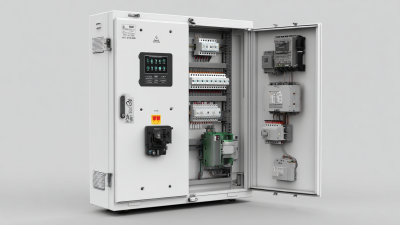
When it comes to selecting an auto transfer switch (ATS) for your home, understanding the various types available is crucial. There are primarily two categories: manual and automatic transfer switches. Manual transfer switches require manual intervention for activation, making them ideal for homeowners who prefer a hands-on approach. On the other hand, automatic transfer switches detect power loss and switch over to the backup generator without any human input, providing seamless protection during outages. Knowing these differences will help you decide which option aligns best with your lifestyle and needs.
When looking for the right ATS, consider the power requirements of your home. A crucial tip is to calculate the wattage of essential appliances you want to power during an outage, ensuring the switch can handle that load. Additionally, think about future expansion; if you plan to add more appliances, it’s wise to select a switch that accommodates increased capacity. Lastly, pay attention to the switch's installation requirements; some may need a professional electrician, while others can be installed DIY. This knowledge empowers you to make informed decisions for reliable home power management.
Important Safety Features to Look for in Transfer Switches
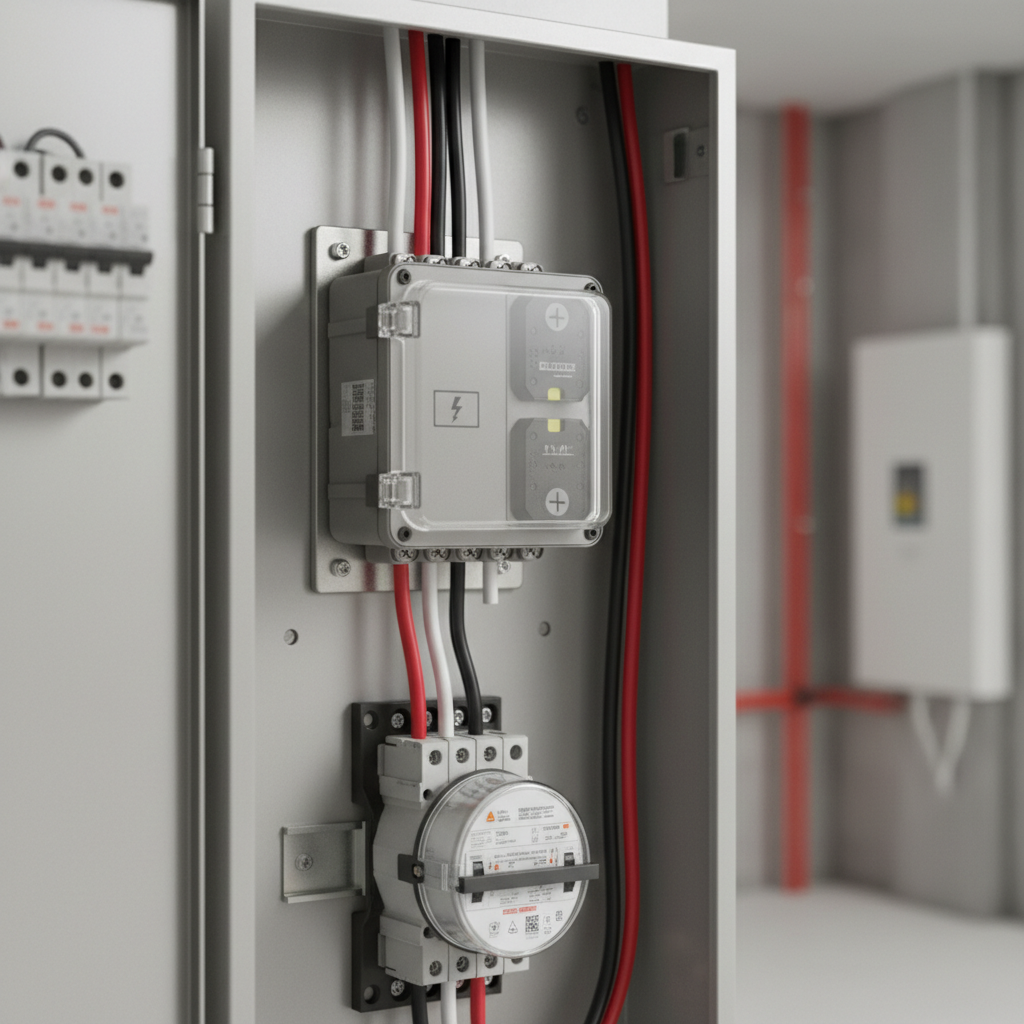
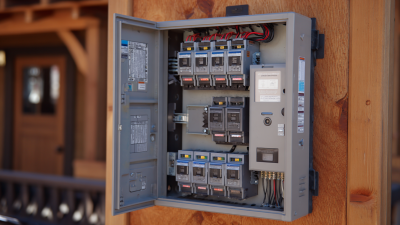
When selecting an auto transfer switch (ATS) for your home, prioritizing safety features is crucial. According to the National Fire Protection Association (NFPA), improper installation and use of transfer switches are significant contributors to electrical fires. A reliable ATS should include features like overload protection, which prevents circuit overloads and potential damage to your electrical systems. Additionally, surge protection minimizes the risk posed by voltage spikes during transfer between power sources, safeguarding your appliances and electronics.
Another vital safety component is an automatic shut-off mechanism. This feature activates in case of malfunction, ensuring that the power transfer process doesn’t harm the electrical infrastructure or pose risks to household members. The Underwriters Laboratories (UL) testing standards underscore the importance of this safety feature, with reported incidents showing that systems lacking shut-off capabilities increase the risk of electrical hazards. Furthermore, robust weather-resistant enclosures are recommended for outdoor installations, effectively protecting the ATS from harsh environmental conditions and enhancing longevity, as noted in a report by the Electrical Safety Foundation International (ESFI).
Cost Factors to Consider When Selecting an Auto Transfer Switch
When selecting an auto transfer switch (ATS) for your home, one of the critical factors to consider is the cost involved. Generally, the price of an auto transfer switch can range from a few hundred to several thousand dollars depending on capacity, features, and installation requirements. According to industry reports, the average cost of a high-quality ATS is approximately $1,500 to $3,000, including installation. It's essential to balance the features you need with your budget to ensure you're making an informed decision.
As you weigh the costs, remember to consider the long-term savings that an efficient auto transfer switch can offer. For instance, models that allow for smoother transitions during power outages can reduce wear on your generator and appliances, potentially saving you money in repairs down the line. Additionally, look for options that come with warranties and reliable customer support, as this can save you costs associated with future maintenance and replacements.
When choosing the right ATS, consider these essential tips: Firstly, evaluate your power needs to ensure the switch can handle your household's electrical load. Secondly, consider the installation complexity; it's often advisable to work with a qualified electrician to mitigate any safety risks and additional costs. By carefully assessing these factors, you can select an auto transfer switch that fits both your budget and your family's needs.