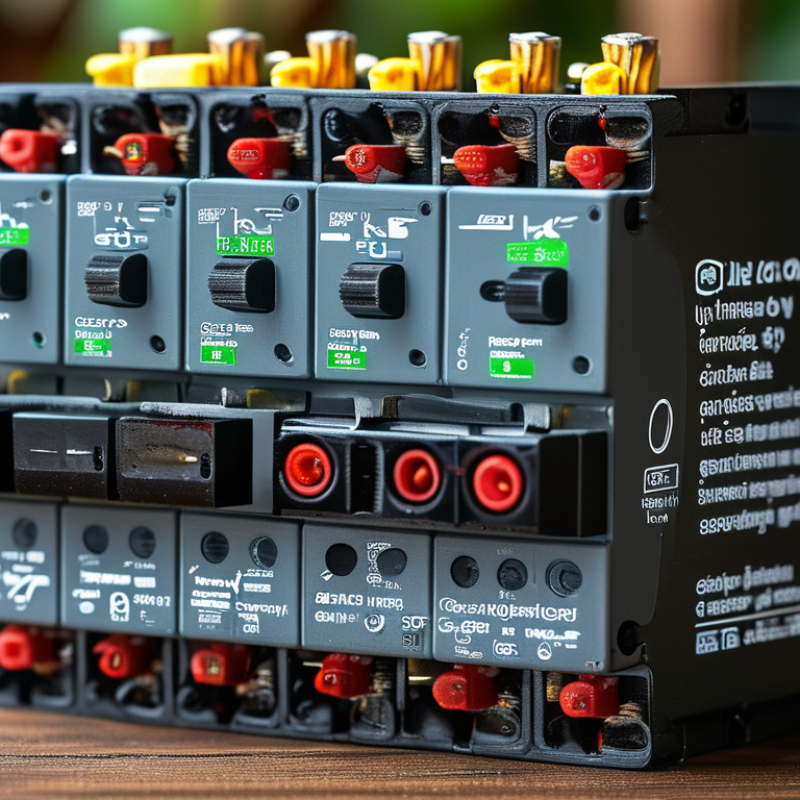
How to Choose the Right DC Contactor Relay for Your Needs?
Choosing the right DC Contactor Relay is a crucial step in ensuring the efficiency of your electrical systems. A DC Contactor Relay helps control high currents and protects sensitive components. Understanding the specifications and applications is essential.
Consider the voltage ratings and current capacity you need. A mismatch can lead to equipment failure. Look into your operating environment. Temperature and moisture levels can impact the relay's performance. In some cases, customers may overlook these details, leading to unexpected issues.
Reliability is key. Selecting a reputable brand can provide you with peace of mind. Reviews and expert recommendations can guide your choice. However, remember that even top products may have limitations. It’s essential to reflect on your specific requirements to find the best fit.
Understanding the Basics of DC Contactor Relays
DC contactor relays are vital components in many electrical systems. They act as switches that control high voltage DC currents. Understanding their basics helps in selecting the right relay for your application. These devices enable reliable operation in various settings, from industrial machinery to renewable energy systems.
When choosing a DC contactor relay, consider key factors. Voltage ratings are crucial; they must match your system requirements. Current capacity is equally important. It determines how much load the relay can handle. Look for relays with clear specifications to avoid potential issues. Many options exist in the market, but variations in design and performance can challenge decision-making.
Additionally, proper installation influences relay performance. Incorrect wiring may lead to failure. It is essential to follow the manufacturer's guidelines closely. Checking the relay's compatibility with other components is also a must. Always remember that even the best relays require regular maintenance. Testing and monitoring can prevent unexpected breakdowns and enhance reliability.
Identifying Your Application Requirements for DC Contactor Relays
When selecting a DC contactor relay, understanding your application requirements is crucial. Consider the load current you need to control. Different applications like electric vehicles or industrial machinery will require different current ratings. Ensure you have accurate data on voltage and current demands.
Tips: Always double-check load specifications. Miscalculating can lead to equipment failure.
Next, assess the environmental conditions. Will the relay be exposed to dust, moisture, or extreme temperatures? Opt for a relay that matches these conditions for longevity. Testing the relay under realistic scenarios can save future headaches.
Tips: Look for IP ratings. They indicate how well the device resists elements like dust and water.
Finally, think about the switching frequency. High-frequency operations may require specialized relays. Reflect on your control circuit's design. It should integrate seamlessly with the relay, avoiding unexpected downtime.
Tips: Consult with professionals if unsure. Their expertise can guide you toward suitable options.
DC Contactor Relay Specifications Comparison
Key Specifications to Consider When Selecting a DC Contactor Relay
Choosing the right DC contactor relay requires careful consideration of key specifications. One of the most critical factors is the voltage rating. Make sure it matches your system requirements. Relays come in various voltage ratings, so choose one that suits your application.
Current handling capacity is another vital specification. Check how much current the relay can manage. This ensures it won't overheat or fail during operation. The relay’s duty cycle is also essential. It indicates how often the relay will switch on and off. High-frequency applications need relays designed for such conditions.
Don't overlook the coil voltage. It should be compatible with your control circuit. Also, consider the physical size. Make sure it fits your installation space. While selecting, it’s easy to overlook minor details. A slight mismatch can lead to performance issues. Consider consulting an expert if uncertain.
Comparing Different Types of DC Contactor Relays Available in the Market
When selecting a DC contactor relay, understanding the types available is crucial for optimal performance. There are several varieties, including electromagnetic relays and solid-state relays. Each type has distinct characteristics that affect functionality. For instance, electromagnetic relays are known for their durability and high current capacity, making them suitable for heavy machinery. Reports indicate that they can handle up to 250 amps in specific applications.
On the other hand, solid-state relays offer faster switching speeds and a longer lifespan due to their lack of moving parts. According to industry research, solid-state relays can switch in microseconds, which is advantageous for applications needing rapid responses. However, they may require proper heat dissipation methods to maintain efficiency. Exploring these aspects can be essential in preventing potential operational failures.
Additionally, consider environmental factors such as temperature and humidity when choosing a relay. Some relays operate efficiently in extreme conditions, while others may falter under stress. Always weigh the compatibility of relay types with your specific needs. As the market evolves, staying updated with new technologies and trends is vital for informed decision-making.
Tips for Installation and Maintenance of DC Contactor Relays
Installing DC contactor relays requires careful attention to detail. Ensure the mounting surface is stable and clean. Use screws that can handle the weight of the relay. Check that the electrical connections are secure to prevent any faults. Poor connections can lead to overheating or failures. It is wise to adhere to the recommended torque specifications when tightening connections.
Regular maintenance is crucial as well. Inspect the relay for signs of wear or damage. Look for discoloration or melting. These can indicate electrical failures. Dust and debris can accumulate over time. Cleaning the relay periodically can enhance performance. Use a soft brush or compressed air for cleaning. Replace any components that show consistent failure, as they may compromise the entire system.
Documentation can be an asset. Keeping a log of maintenance activities helps track the relay's health over time. Noticing patterns in failures can provide insights into potential issues. However, even the best-maintained systems can have unexpected problems. Always be prepared for surprises. Testing the relay under load conditions can uncover hidden defects.