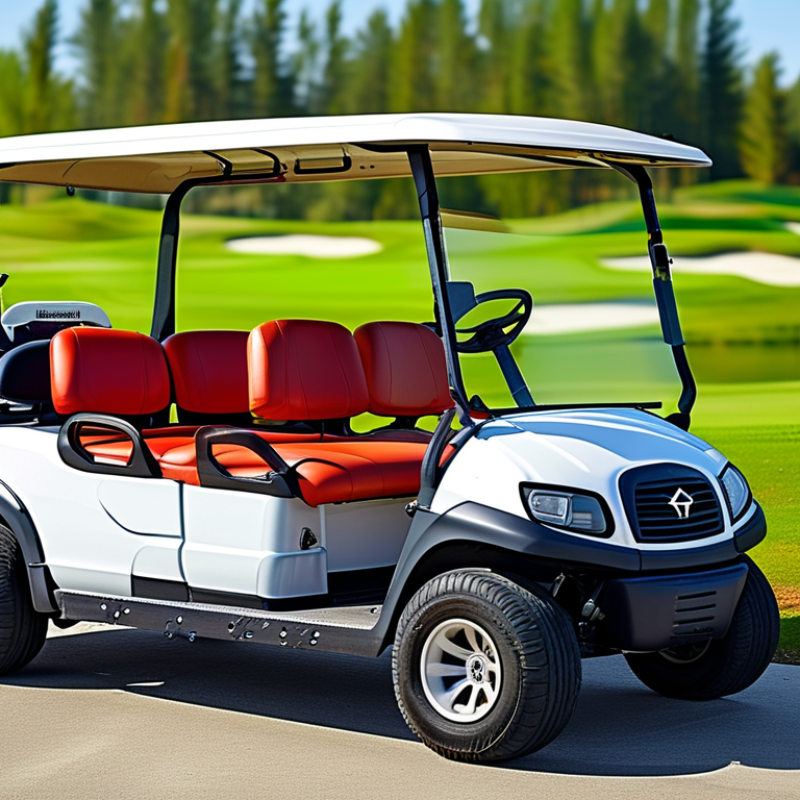
How to Choose the Best Golf Car for Your Needs?
Choosing the best Golf Car can feel overwhelming. With so many options available, it’s essential to make an informed decision. According to a report by the National Golf Foundation, nearly 24 million people in the U.S. golf annually. This number signifies a growing demand for quality golf cars.
A golf car not only enhances the game but adds convenience. Features such as battery range, seating capacity, and storage options play crucial roles in this choice. The market for golf cars is projected to reach $1.5 billion by 2025, indicating their importance in the golf industry.
As you explore your options, consider what suits your lifestyle. Do you need a basic model or a more advanced electric car? Focus on your unique needs and preferences. A poorly chosen golf car can lead to dissatisfaction. It’s key to weigh all factors before making a decision.
Understanding Your Golfing Needs and Preferences
Choosing the right golf car depends largely on your specific needs and preferences. Start by assessing the type of golf courses you frequent. Are they hilly or fairly flat? This factor influences the car's power and battery longevity. A car with a powerful motor might be essential for steep terrains, while a lighter model may suffice for flat courses.
Consider how often you play and the number of passengers you'll typically have. Do you play alone or with friends? Some cars offer extra space and comfort for multiple passengers. This could impact your playing experience. Think about the storage too. Do you need space for bags, coolers, or other equipment?
Performance and comfort are key areas to explore. Test driving different models can reveal what feels right for you. Pay attention to the ease of use. Is the steering comfortable? Can you reach the controls easily? Keep an open mind; what looks good may not always feel right. Reflect on these aspects before making your final choice, as choosing the wrong car could affect your enjoyment on the course.
Assessing the Terrain and Course Conditions
When selecting the best golf car, understanding the terrain and course conditions is crucial. Different courses present unique challenges. For instance, hilly terrains demand powerful cars with better torque. Flat courses might not need such high performance. Properly assessing these elements ensures a smoother ride.
Consider the surface of the golf course. Is it well-maintained grass or rough terrain? Smooth paths allow for lighter cars, while uneven surfaces require sturdy designs. Pay attention to inclines too. A steep hill can strain an underpowered vehicle, disappointing your game.
Finally, think about how often you play. If you're a frequent golfer on various types of courses, versatility is key. Investing in a car that adjusts well to different terrains can greatly enhance your experience. Reflecting on your needs will lead to better choices.
Evaluating the Different Types of Golf Carts Available
When evaluating the different types of Golf Carts available, it’s essential to consider your specific needs. Electric carts are popular for their quiet operation and eco-friendliness. They require less maintenance and are great for those who golf frequently. However, they may lack the range and power of gas carts. Thus, consider how often you plan to use your cart.
Gas-powered carts offer more power and longer range. They are suitable for hilly courses or rough terrain. But they can be noisy and may require more maintenance. Think about how and where you'll use it. A cart might be comfortable on flat grounds but tiresome on steep paths.
Other factors include size and seating capacity. Some carts are designed for two passengers, while others can accommodate up to six. Look for options that fit your lifestyle. It’s also valuable to test drive different models. Each has its quirks and might not suit everyone. Take the time to evaluate what feels right for you.
Considering Key Features and Specifications
When choosing a golf car, focus on key features and specifications that align with your needs. Battery life is crucial. Opt for a model with at least 36 holes of range. This ensures you won't run out of power on the course. Consider the seating arrangements as well. Depending on your needs, two or four-seat options might be crucial.
Another important aspect is the car's weight and size. A lightweight model can be easier to maneuver. However, a larger vehicle may provide better stability on uneven terrain. Take note of the materials used in construction. Durable, weather-resistant materials will extend the car's lifespan and keep it looking new.
Customization options are also worth exploring. Some models allow you to personalize features. Think about adding a cooler or storage compartments. However, keep in mind that too many features can complicate usability. Balancing needs with simplicity is key. Don't rush your decision; take time to test various models on the course.
Budgeting for Your Ideal Golf Cart Purchase
When considering the purchase of a golf cart, budgeting plays a crucial role. Begin by assessing your financial situation and identifying how much you can realistically spend. Golf carts come in various price ranges. It is essential to set a clear budget to avoid overspending. Factors like new versus used, electric versus gas, and included features will significantly affect the price.
Consider additional costs that may arise. Maintenance, insurance, and battery replacement are often overlooked. These expenses can add up over time. It’s wise to research potential long-term costs while budgeting. Talk to current golf cart owners to gain insights on their experiences. They may highlight unanticipated expenses that can affect your overall budget.
Reflect on your needs and usage frequency. A more expensive golf cart may not be necessary if you play sparingly. Conversely, investing in a reliable model may save money in repairs in the long run. Strike a balance between quality and cost, ensuring you get a cart that suits your lifestyle while also staying within your budget.