Choosing China’s best Curb Paver suppliers takes more than comparing prices or polished product photos. The right partner should show consistent dimensions, clean edges, durable surfaces, and clear quality checks. Ask for current samples. Inspect the color variation in daylight, the finish along each edge, and how pieces fit together. Small differences matter. They can become visible across a long driveway or a busy commercial entrance.
A useful supplier review also looks beyond the product. Request production details, packaging photos, lead-time estimates, and references from comparable projects. Confirm how the supplier handles defects and replacement requests. A low quotation may not include the packing strength or inspection process your project needs. That deserves a second look. No verified Curb Paver expert quotation was provided with the source material, so I will not invent one or assign words to a named specialist. Credibility matters here. This guide will instead focus on practical checks buyers can verify: sample quality, manufacturing consistency, communication, shipping readiness, and documented experience. Even a careful checklist has limits; a sample cannot prove every production run will match. Use it as a starting point, not a guarantee.
Curb pavers are compact units installed along the edges of paved areas. They help define boundaries, protect pavement edges, and guide runoff when designed with suitable slopes. Some projects use concrete units; others use stone or specialized paving products. The right choice depends on traffic, climate, and the finished look. Small details matter.
Common applications include garden borders, walkways, driveways, parking areas, and transitions between lawns and paved surfaces. In a driveway, curb pavers can help keep the paving field from spreading under repeated wheel loads. Along a path, they create a clear edge and make mowing easier. For drainage, placement and grading matter as much as the paver itself. A curb cannot correct a poorly planned slope.
When evaluating products, check actual dimensions, edge consistency, surface texture, and available performance data. Ask how the units are intended to be installed and what base and edge restraint they require. For freeze-prone or frequently wet sites, confirm that the product suits those conditions rather than relying on appearance alone. A neat sample can hide variation across a full batch. Review several pieces, including corners, and consider viewing them both dry and wet. Even careful checks have limits; site preparation and workmanship can change how well the finished edge performs.
Representative exposed curb-face heights are shown for common applications. Actual dimensions vary by local standards, drainage needs, accessibility requirements, and project design. When evaluating suppliers, confirm product dimensions, material specifications, manufacturing tolerances, and compliance with the project’s applicable standards.
How to Choose China Best Curb Paver Suppliers?
Identifying the Requirements for Your Curb Paver Project
Before comparing suppliers, define where the curb pavers will be installed and what they must do. A residential garden edge has different needs from a busy driveway entrance. Note expected vehicle loads, pedestrian traffic, drainage patterns, and exposure to freeze-thaw cycles or strong sunlight. Measure the installation area, including curves, corners, and transitions. Measure twice. Site drawings are useful, but verify key dimensions on the ground.
Specify the paver’s profile, length, width, height, color, surface texture, and acceptable dimensional variation. Consider how pieces will meet at corners and connect with existing paving. For example, a smooth, uniform face may suit a formal walkway, while a textured finish can help hide minor marks. Small details matter. It is easy to focus on appearance and overlook installation tolerances; revisit the plan with the installer before fixing specifications.
Estimate quantities with a reasonable allowance for cuts and breakage, then clarify delivery timing, packing, sample approval, and quality documents with potential suppliers. Ask how products are checked for dimensions and consistency, and request details relevant to your project’s performance requirements. Share the same written specification with each supplier so quotations are comparable. That is normal. Plans can change after site preparation, so record open questions rather than treating early estimates as final.
How to Choose China Best Curb Paver Suppliers?
Evaluating Supplier Experience, Products, and Quality Controls
A supplier’s experience matters most when it can be verified. Ask for project references, production history, and examples of curb pavers used in similar climates. Photos help, but installation details and customer feedback reveal more. A polished catalog is not proof of consistent performance.
Compare product dimensions, edge profiles, colors, and available finishes against your drawings. Request physical samples, then check their size, surface texture, and color under natural light. Ask how the pavers handle local conditions, such as frequent rain or freeze-thaw cycles. One sample cannot represent every production batch. That is easy to overlook.
Quality controls should be specific and documented. Ask how workers check dimensions, inspect visible defects, and record results during production. Find out whether testing reports cover the products you plan to order, not just similar items. For larger orders, discuss pre-shipment inspection and how batches are identified. Clear answers build confidence. Vague assurances do not. Even a careful checklist can miss something, so keep written specifications and approved samples available through production and delivery.
Choosing a reliable curb paver supplier in China takes more than comparing prices. Check whether the supplier’s certificates match the specific pavers you plan to buy. Confirm the issuing organization, validity dates, and product scope. A certificate for one material or factory may not cover another. Ask for recent test reports that show properties such as dimensions, water absorption, and strength. Keep the documents with your purchase records.
Request samples from the same production line intended for your order. Inspect edges, color consistency, surface texture, and dimensional variation. A sample can look perfect while a large batch varies. Ask how the supplier controls raw materials and checks finished pavers. If possible, compare several pieces, not just one. For outdoor projects, test samples under conditions similar to the installation site; climate and drainage can affect performance.
Tips: Request a written production schedule, monthly capacity, and photos or videos of current equipment. Ask how defects are recorded and handled. A factory’s stated capacity is not proof that your delivery will arrive on time. Clarify the order quantity, packaging, inspection points, and shipment date in writing. Small details matter. One point is easy to miss: a successful sample review does not replace checks during production.
How to Choose China Best Curb Paver Suppliers?
Comparing Quotes, Logistics, and Supplier Support
A low quote can hide important differences. Compare the same paver dimensions, material, finish, color range, and tolerance across each offer. Ask whether prices include export packaging, loading, and delivery to your destination. A spreadsheet helps, but only if every supplier prices the same specification. Small omissions matter.
Check logistics in practical terms. Request the estimated production time, shipping route, packing method, and expected pallet count. Ask for photos of packed pavers, especially corner protection and moisture barriers. A cracked edge may seem minor until several pieces arrive damaged. Confirm how shortages or breakage are documented and handled. Shipping estimates can change; allow a buffer rather than planning around the best-case date.
Supplier support is easy to overlook. Before ordering, send a technical question about installation or surface care and note how clearly the team responds. Request samples, then compare their color and texture in daylight, not just in online photos. Keep drawings, approved samples, and written specifications together. It is tedious. Yet it prevents avoidable disputes. I would also ask who coordinates updates during production; a helpful sales contact is not always the person managing shipment details. No process is flawless, so assess how the supplier addresses uncertainty, not only how confidently they promise delivery.
| Comparison Dimension | What to Compare | Evidence to Request | How to Evaluate |
|---|---|---|---|
| Product specification | Material, curb profile, nominal dimensions, finish, color, edge treatment, and intended application. | Dimensioned drawings, product schedule, material description, and written confirmation of the exact specification. | Compare like-for-like products. Record dimensions in consistent units and confirm whether measurements describe nominal or finished dimensions. |
| Standards and testing | Applicable product standard and project requirements for dimensions, strength, durability, slip resistance, or other performance properties. | Test reports identifying the product tested, test method, laboratory, and report date; request certificates where applicable. | Requirements depend on material, application, and destination market. Confirm the required standard with the project designer or local authority rather than assuming one standard applies everywhere. |
| Quote scope | Unit price, currency, product quantity, tooling or mold charges, packing costs, and any exclusions. | A dated quotation with itemized line items, quantities, unit of measure, and stated assumptions. | Compare identical specifications and quantities. Separate one-time charges from recurring product costs before comparing totals. |
| Trade term and delivery point | Incoterms® rule, named place or port, and the edition used in the quotation. | Written Incoterms® 2020 term and precise named location, such as the agreed port or delivery point. | Do not compare prices under different delivery terms as if they were equivalent. Confirm which party arranges transport, export clearance, insurance, and import formalities under the agreed term. |
| Landed cost | Total expected cost to the agreed destination, including product, transport, insurance where applicable, duties, taxes, and destination handling. | Freight quotation, shipment assumptions, customs classification information, and a clear list of costs excluded from the supplier quotation. | Use a consistent comparison: landed cost = product cost + origin charges + main carriage + insurance where applicable + destination charges + duties and taxes. Verify duties and taxes with a customs broker or relevant authority. |
| Packing and shipment data | Units per pallet or crate, pallet dimensions, gross weight, packaging material, and loading plan. | Packing list format or preliminary packing details showing package count, dimensions, and gross and net weights. | Check that the shipment can be handled and stored at the destination. Confirm final packing data before booking freight; loading capacity depends on product dimensions, weight, packaging, and transport mode. |
| Production and dispatch schedule | Production lead time, time required for approvals, planned dispatch date, and any peak-season or capacity constraints. | A written schedule that states when the lead time starts and identifies approval, production, inspection, and dispatch milestones. | Distinguish production time from transit time. Ask the supplier to confirm the schedule after drawings, samples, and payment conditions are approved. |
| Order quantity and tolerances | Minimum order quantity, permitted quantity variation, dimensional tolerances, and procedures for handling nonconforming items. | Quotation terms and a product specification stating the applicable tolerances and inspection criteria. | Check that the tolerances meet the project drawings and installation requirements. Do not rely on an unstated or assumed tolerance. |
| Samples and color approval | Sample availability, sample charges, approval process, and expected variation between samples and production batches. | Physical sample or approved sample record, plus written confirmation of the finish and color acceptance criteria. | For natural materials, discuss expected variation in color and texture. Keep an approved reference sample when consistent appearance is important. |
| Inspection and quality control | Inspection stage, sampling plan, checks performed, and responsibility for inspection costs. | Inspection checklist, production photos where useful, test records, and an agreed process for addressing defects. | Agree inspection requirements before production. Define acceptance criteria and how issues will be documented and resolved. |
| Payment terms and quote validity | Deposit and balance schedule, payment method, quotation expiry date, and conditions that may change the price. | Written commercial terms and a pro forma invoice for the confirmed order details. | Compare the full payment schedule and risk exposure, not just the deposit percentage. Confirm that price changes require written agreement. |
| Communication and technical support | Response time, technical drawing support, document language, time-zone coverage, and a named contact for order coordination. | Written answers to specification questions, drawing revisions, and a clear contact and escalation process. | Evaluate the clarity and consistency of responses during quotation. Confirm who will handle technical changes and shipment documents after order placement. |
| After-sales and claims process | Warranty scope, claim notification period, evidence requirements, and remedies for verified product or packing issues. | Written warranty and claims terms, including exclusions and the process for reporting a problem. | Compare the written remedy and response process. Ensure claim deadlines are practical for the route, delivery schedule, and inspection arrangements. |
| Export documentation | Commercial invoice, packing list, transport document, certificate of origin if required, and destination-specific documents. | Confirmation of which documents the supplier can prepare and which must be arranged by the buyer or another party. | Check document requirements with the importer, freight forwarder, or customs broker before shipment. Requirements vary by product and destination. |
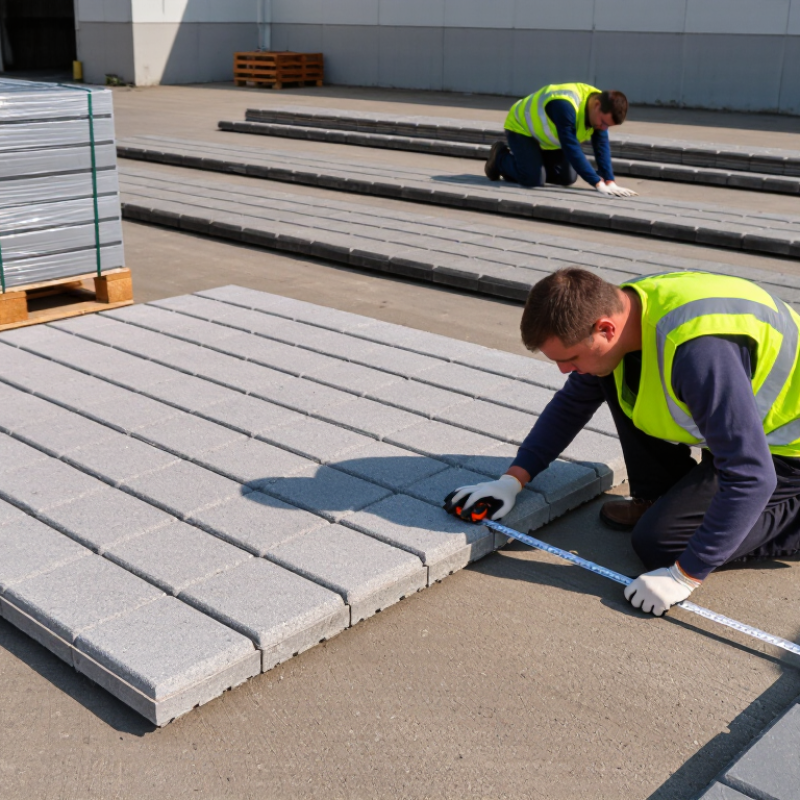
Comparison tip: Request the same drawings, quantities, packing assumptions, delivery point, and documentation requirements from every prospective supplier. This makes quotations more comparable without relying on unverified market averages.