Skip to content
Menu Close

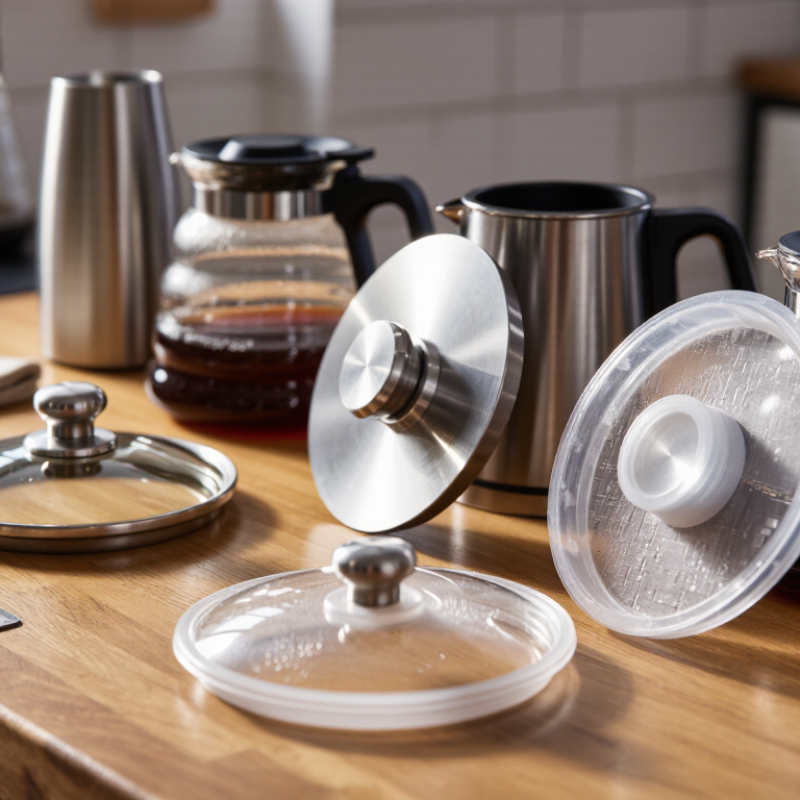
How to Choose the Best Coffee Pot Lids?

A coffee pot lid looks like a small detail until it wobbles, leaks, or refuses to sit flat. Coffee Pot Lids help retain heat and keep dust or splashes away, but the right choice depends on the pot itself. A lid made for one carafe may not fit another, even when both look similar. Small part. Big difference.

Start by checking the pot’s brand and model, then measure the rim across its widest point with a ruler. Note the rim shape, lid diameter, and space around the handle. A lid that feels snug should still lift easily and sit evenly; forcing it can cause damage. Consider the material, too. Glass, stainless steel, and food-contact-rated plastics each have different weight, care, and heat-resistance needs. Follow the maker’s cleaning and temperature guidance rather than assuming every lid can go in a dishwasher.

Daily use matters as much as appearance. If you pour often, a secure, easy-grip handle may be more useful than a decorative finish. If the pot is shared or handled by several people, check that the lid stays in place during careful pouring. Removable parts can make cleaning simpler, though extra seams may collect residue. There is no perfect lid for every pot. Even careful measurements can miss a subtle difference in the rim, so compare product dimensions and return terms before buying. A thoughtful fit check can save money, reduce mess, and make an old coffee pot useful again.
How to Choose the Best Coffee Pot Lids?

Identify Your Coffee Pot Type and Lid Requirements

How to Choose the Best Coffee Pot Lids?

Identify Your Coffee Pot Type and Lid Requirements

Start by identifying your pot’s material and shape. A glass carafe, insulated thermal pot, and stovetop coffee maker may need very different lids. Check the opening diameter, rim shape, and any hinge or pouring mechanism. Even a small mismatch can cause spills or poor heat retention.

Look at how you use the pot. A lid for a thermal carafe should fit snugly and support controlled pouring. A glass carafe lid may need a vent that lets brewed coffee flow without splashing. Check whether the lid touches hot liquid, and choose a material rated for that kind of heat. Removable parts are easier to clean, especially around narrow spouts. I have learned that measuring twice saves time, though odd-shaped rims can still be tricky.

Tips: Measure the opening across its widest point. Compare the old lid’s shape, not just its diameter. If the fit feels loose, don’t force it. A lid that looks close may still leak.

Compare Lid Materials, Shapes, and Heat Resistance

A coffee pot lid should match the pot’s material, opening, and usual brewing temperature. Stainless steel is durable and handles frequent heating, though it can become hot to touch. Glass lets you see inside, but sudden temperature changes may cause cracking. Heat-resistant silicone is lightweight and flexible; check its stated temperature range before use. Small details matter.

Shape affects both pouring and steam release. A shallow, close-fitting lid helps retain warmth, while a raised or domed shape leaves room for foam and movement. A small vent can release steam and reduce rattling. Fit matters, too. A lid that shifts when you pour may spill hot coffee, even if its material is excellent. Measure the pot’s opening, including any inner rim, rather than guessing from its widest point.

For heat resistance, look for clear temperature guidance and care instructions. A lid used on a hot plate may face more sustained heat than one used only during serving. Handles and knobs deserve attention; they can heat up even when the lid itself seems manageable. In everyday use, I’d test the fit over a cool, empty pot first. I still find lid shapes easy to misjudge from pictures alone. A slightly imperfect fit can be more noticeable than expected.

Check Fit, Sealing, and Pouring Compatibility

A good coffee pot lid should match the rim, not merely sit on top. Check the pot’s diameter, shape, and any locking tabs; even a small mismatch can let heat escape or cause the lid to shift while pouring. If there is a gasket, inspect it for gaps, stiffness, or wear. A tight seal matters, but an overly tight lid can be awkward to remove. That trade-off is easy to miss.

The National Coffee Association’s 2024 National Coffee Data Trends report found that 67% of U.S. adults had coffee the previous day. That figure reflects how often coffee pots may be handled, though the report does not test lids. In practical use, confirm that the lid stays seated when you tilt the pot slowly over a sink. Check that its opening lines up with the spout and does not send coffee down the pot’s side. Test it cold first. I once treated a snug fit as enough; it wasn’t. Hot steam, a wet handle, or a narrow spout can change how safely a lid pours. Choose a lid specified for your pot’s model or measured dimensions, and recheck the fit after washing.

How to Choose the Best Coffee Pot Lids? - Check Fit, Sealing, and Pouring Compatibility

Lid type Fit check Sealing performance Pouring compatibility Heat and care considerations Best suited for
Drop-in glass lid Match the lid’s outer diameter and rim shape to the pot opening. Check that it sits level without rocking. Usually rests on the rim rather than forming an airtight seal; steam can escape around the edge. Works when the lid has a notch or cutout that clears the spout. Without one, it may need to be lifted while pouring. Glass can become hot and may crack from impact or sudden temperature changes. Handle carefully and follow the pot’s care instructions. Glass coffee pots designed with a simple, matching rim and a lid that is not intended to lock in place.
Snap-on plastic lid Check the pot’s rim diameter, lip profile, and any tabs or grooves. A lid that is slightly too large or small may not stay attached. Can reduce splashes and heat loss when properly seated, but is not necessarily leakproof or pressure-tight. Look for a spout opening or pour notch that lines up with the pot’s spout when the lid is fully seated. Confirm that the material is rated for the pot’s intended temperature and use. Avoid direct stovetop heating unless the manufacturer specifically permits it. Everyday serving pots designed for a fitted, lightweight lid.
Threaded lid Match the thread diameter and pitch; the lid should turn smoothly and seat without cross-threading. Similar diameters do not guarantee compatible threads. May provide a closer closure, especially when paired with a gasket, but should not be assumed to be pressure-rated. Check whether the lid has a pouring opening or must be unscrewed before pouring. Inspect threads and any gasket for wear, residue, or distortion. Follow the product’s heating and cleaning directions. Specialty coffee pots or carafes with a purpose-made screw closure.
Hinged flip-top lid Confirm the hinge position, attachment points, and rim shape. The lid must close fully without obstructing the handle. Typically helps keep out dust and limit splashing; sealing depends on the design and whether a gasket is present. Often allows one-handed pouring when the flip top opens clear of the spout. Check the hinge for stiffness or damage and clean around the joint to prevent residue buildup. Serving pots intended for convenient, frequent pouring.
Gasketed press-fit lid Compare the lid diameter and gasket profile with the pot opening. The gasket should sit evenly and compress without folding or slipping out. Generally offers a closer fit than a plain drop-in lid, though performance varies and it should not be treated as a pressure seal. Verify that a spout notch or pouring channel remains aligned when the lid is fitted. Removable gaskets are easier to inspect and clean. Replace a cracked, stretched, or hardened gasket with a compatible part. Carafes that need a snug lid to reduce drips and splashes during serving.
Insulated travel-carafe lid Use the lid specified for the carafe’s exact opening and locking design. Check alignment marks, threads, or locking tabs as applicable. Some designs use a gasket and closing mechanism to reduce leaks, but sealing ability depends on the specific construction and condition. Choose a lid with a pour-through valve or opening that operates smoothly and closes securely after use. Clean valves and seals regularly. Check care instructions before using a dishwasher, as heat can affect some lid components. Portable insulated carafes made for transport and controlled pouring.

Fit tip: Measure the pot opening at its widest point and compare the rim profile, attachment method, and spout position—not diameter alone. A compatible lid should sit securely, clear the handle, and allow the pot to pour without catching or shifting.

Evaluate Cleaning Needs and Replacement Options

A coffee pot lid traps more than steam. Coffee oils collect around the underside, while the hinge and pouring flap can hold fine grounds. Rinse these areas after use, then wash with warm water and dish soap. A soft brush reaches narrow seams without scratching plastic. Check the care instructions before using a dishwasher; heat can warp some lids or loosen seals. Small parts matter. I still miss the hinge on rushed mornings, and that is often where residue remains.

Cleaning matters in a frequently used kitchen. The National Coffee Association’s 2024 National Coffee Data Trends report found that 67% of U.S. adults had coffee the previous day. NSF International’s 2013 Household Germ Study found yeast or mold in 50% of sampled coffee-maker reservoirs. That study tested reservoirs, not lids, so it does not establish lid contamination rates. Still, it supports regular cleaning of nearby coffee-making parts. Replace a lid if its seal stays loose, a crack reaches a food-contact surface, or odors persist after washing. Compare its shape, diameter, and latch design with the original part; a close-looking lid may not seal securely. For removable gaskets, inspect them separately before replacing the whole lid. A lid that looks clean can still leak.

Choose a Lid Based on Safety, Durability, and Use

Choose a coffee pot lid that fits the exact pot, not merely one with a similar shape. A poor fit can let heat escape, spill coffee, or make pouring awkward. Check the pot’s instructions for compatible materials and temperature limits. A lid meant for a glass carafe may not suit a stovetop pot. That distinction matters.

For safety, grip the handle with a dry hand and check whether it stays cool during normal use. Don’t assume it will. A lid that shifts when you tilt the pot can send hot coffee toward your fingers, so test the fit with cold water first. Small gap, big nuisance.

Durability depends on more than a sturdy feel. Look for smooth edges, secure knobs, and parts that can be cleaned without trapping coffee oils. Plastic components may not tolerate every heat source, while metal lids can become hot; follow the maker’s care guidance. I find it easy to overlook the underside, where residue often collects around the rim. If the lid rattles, warps, or develops a loose handle after washing, replace it rather than trusting a quick fix. Cleaning matters. A removable seal can help, but only if it goes back in correctly.

Site Feedback
Close