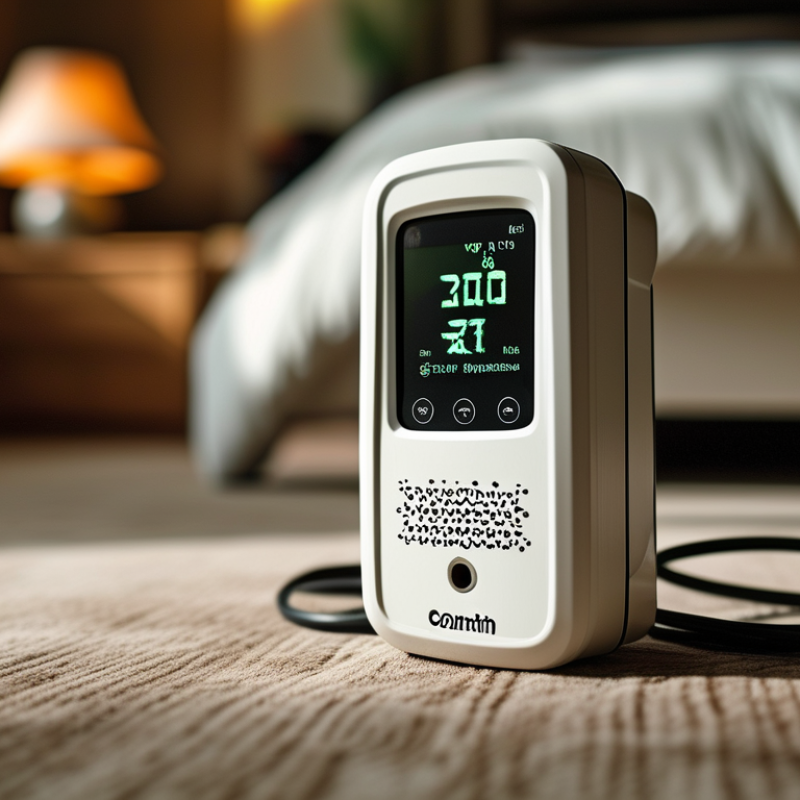
How to Choose the Best CO Alarm for Your Home Safety?
Choosing the right CO Alarm is crucial for your home safety. According to John Smith, a leading expert in home safety, "A CO Alarm can be a lifesaver when chosen wisely." This highlights the importance of making an informed decision.
When selecting a CO Alarm, consider the features that matter most. Look for models with reliable sensors and easy installation. However, not all alarms work equally well. Some may give false alarms, while others might fail to detect danger promptly.
In addition to features, think about the placement of your CO Alarm. It should be installed near sleeping areas for maximum effectiveness. Awareness of the alarm's limitations is vital. Regular maintenance is essential to ensure it functions correctly. Making thoughtful choices in selecting a CO Alarm can significantly enhance your family's safety.
Understanding Carbon Monoxide: Risks and Symptoms of Exposure
Carbon monoxide (CO) is a silent killer. It is colorless, odorless, and tasteless. Understanding the risks associated with carbon monoxide exposure is vital for home safety. Symptoms of CO poisoning include headaches, dizziness, and confusion. In severe cases, it can lead to unconsciousness or death. Awareness is key, especially in enclosed spaces where CO accumulates.
Identifying potential sources of carbon monoxide is crucial. Common sources include gas appliances, generators, and vehicles. Regular maintenance of these items can prevent dangerous CO buildup. Ensure proper ventilation in your home, particularly in areas with gas appliances. Leaving a window slightly open can help reduce risk.
It's wise to install CO alarms near sleeping areas. The alarms provide an early warning system. Test alarms monthly to ensure they work. Replace batteries at least once a year. If the alarm sounds, evacuate immediately and call emergency services. Always educate your family about CO risks and symptoms. Have a safety discussion about what to do in case of an alarm. Knowledge and preparation can save lives.
Key Features to Look for in a CO Alarm
When choosing a CO alarm for your home, several key features should guide your decision. Look for units equipped with digital displays. They provide real-time CO levels, allowing for immediate action if necessary. According to the National Fire Protection Association, having a display can increase response time, potentially saving lives.
Consider the power source. Battery-operated alarms may provide flexibility in placement, but hardwired options often ensure reliability. Statistics show that over 30% of battery-operated alarms fail due to dead batteries. Regular maintenance is essential, regardless of the power source.
Another critical aspect is the alarm’s sensitivity to carbon monoxide. Some models have a low-level CO alert, which can detect lower concentrations over longer periods. This feature is crucial since the CDC states that low-level exposure can lead to significant health issues over time.
It’s important to regularly check your alarm’s functionality. Conduct monthly tests to ensure it works properly. Also, be aware of your alarm's expiration date. Most CO alarms have a lifespan of about 5 to 7 years. After that, their effectiveness may diminish.
Placement is equally vital. Install alarms near sleeping areas and on every level of your home. However, avoid placing them too close to fuel-burning appliances, where false alarms may occur. A strategic location can truly enhance safety, reducing the risk of CO-related incidents.
Types of CO Alarm Technologies: Which is Best for Your Home?
When choosing a carbon monoxide (CO) alarm, understanding the technology behind them is crucial. Currently, there are three main types: electrochemical, photoelectric, and biomimetic. Electrochemical sensors are the most common. They are known for their quick response times and precision. Reports suggest they can detect even low levels of CO effectively.
Photoelectric alarms rely on light scattering. These alarms are often used in combination with other sensors. They provide reliable detection in various environments. However, their sensitivity to other gases can sometimes lead to false alarms. This is an important consideration when selecting a device for your home. Data shows that over 50% of alarm activations are false alarms, indicating the need for careful choice.
Biomimetic sensors have a unique design. They mimic the way living organisms sense danger, providing a more natural detection method. While less common, they are gaining popularity due to their accuracy. As CO can be lethal, selecting the right technology is vital for household safety. The National Fire Protection Association highlights that CO alarms should be in every home. The right choice can save lives, ensuring a safer living environment.
How to Choose the Best CO Alarm for Your Home Safety? - Types of CO Alarm Technologies: Which is Best for Your Home?
| Type of CO Alarm | Detection Technology | Response Time | Average Lifespan | Price Range (USD) |
| Electrochemical | Electrochemical Sensor | 30-60 seconds | 5-7 years | 25-50 |
| Metal Oxide | Metal Oxide Semiconductor | 15-30 seconds | 2-5 years | 20-40 |
| Photoelectric | Photoelectric Sensor | 30 seconds | 3-5 years | 35-70 |
| Combination | Multiple Sensor Types | 10-20 seconds | 6-10 years | 40-90 |
Installation Guidelines: Optimal Placement of CO Alarms
When it comes to installing CO alarms, proper placement is crucial for maximum safety. These devices should be installed in areas where carbon monoxide (CO) is most likely to accumulate. Ideal locations include near sleeping areas and on each floor of your home. Avoid placing alarms too close to gas appliances, as this can result in false alarms.
It's essential to ensure CO alarms are mounted at least 15 feet away from fuel-burning appliances. This distance can minimize the chance of interference. If you have a two-story home, install one CO alarm on each floor. For homes with attached garages, consider putting an alarm there as well.
Remember, testing is vital. Regularly check that your alarms are functioning correctly. You can test them using the built-in test button found on most devices. If you notice any irregularity, like a chirping sound or a flashing light, replace the batteries or the unit itself. Keeping your home safe from CO means being proactive about alarm placement and maintenance.
CO Alarm Placement Guidelines
Maintenance Tips for Ensuring CO Alarm Effectiveness
Regular maintenance of your CO alarm is crucial for home safety. A study from the National Fire Protection Association (NFPA) highlights that over 70% of carbon monoxide-related incidents occur when alarms are not working properly. To ensure your alarm functions effectively, test it monthly. Press the test button to confirm that it sounds an alert. This simple act can make a significant difference.
Changing the batteries is another essential maintenance step. According to the Consumer Product Safety Commission, nearly 50% of CO alarms failed to work due to dead or missing batteries. Replacing batteries yearly—or sooner if your alarm chirps—keeps it operational. Some alarms now come with sealed lithium batteries that last up to ten years. After this period, the entire unit should be replaced.
Cleaning your CO alarm is also vital. Dust and debris can hinder its performance. Use a vacuum or a soft cloth to gently remove buildup. Additionally, placement matters. Avoid areas near potential sources of interference, such as vents or fans, as these can lead to false alarms or missed alerts. Regularly check local regulations or guidelines about CO alarms to stay informed on best practices.