China Top TRT Turbine Blade Manufacturer?
A Trt Turbine Blade is a critical component in a top-pressure recovery turbine, where blast-furnace gas helps generate electricity and recover otherwise wasted pressure energy. Its design must balance aerodynamic performance, strength, and resistance to demanding operating conditions. For steelmakers, blade quality can affect turbine reliability, maintenance intervals, and energy recovery. Small details matter: alloy selection, casting quality, machining accuracy, and inspection records all deserve close attention.
The scale of the steel sector makes this equipment worth examining. World Steel Association’s World Steel in Figures 2024 reports global crude steel production of 1,892.2 million tonnes in 2023. That figure provides context, not a measure of TRT demand or a ranking of suppliers. So, who is China’s top TRT turbine blade manufacturer? A credible answer should compare documented operating references, manufacturing capabilities, material traceability, quality controls, and after-sales support—not rely on a headline or a catalog claim. Ask for verifiable test data and project details. A polished brochure is not proof. Even these checks have limits: operating conditions differ between plants, and public information may not reveal a supplier’s full performance history. This guide examines the evidence and the questions buyers should ask before choosing a manufacturer.
What TRT Turbine Blades Are and How They Recover Energy
China Top TRT Turbine Blade Manufacturer?
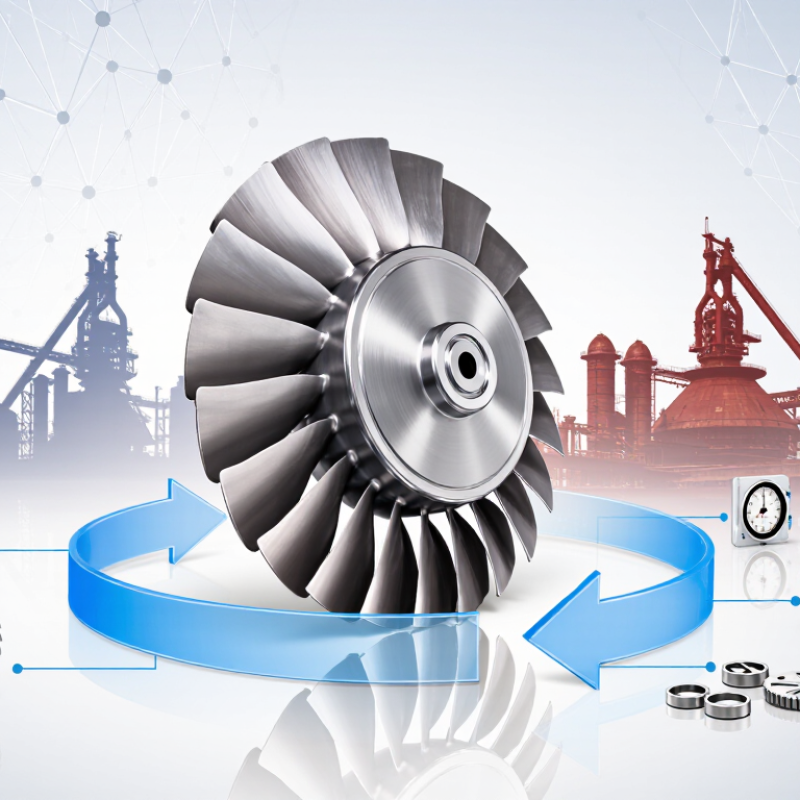
TRT means top-pressure recovery turbine, used in blast furnace systems. It recovers energy from gas leaving the furnace under pressure. After dust removal, the gas flows through stationary guide vanes and onto curved rotor blades. Those blades redirect the stream, creating force that spins the turbine shaft. The shaft can drive a generator and supply electricity to the plant.
It is not magic. The turbine does not create energy; it captures part of the pressure energy that might otherwise be lost during gas control. Picture a steady stream sweeping across polished metal blades, each angle helping turn gas flow into rotation. In practice, residual dust, uneven flow, and changing operating conditions can affect blade wear and efficiency. Small details matter.
Blade design must balance aerodynamic performance with strength and resistance to erosion. Engineers consider blade profiles, materials, cooling needs, and rotor balance for the specific operating environment. Maintenance inspections can reveal deposits, surface damage, or vibration before performance declines. Still, the real operating picture is less tidy than a diagram. No single blade shape suits every furnace, and actual energy recovery depends on system design and operating conditions.
Key Performance and Material Requirements for TRT Blades
TRT blades convert blast-furnace top-pressure energy into electricity, so their performance depends on more than peak efficiency. Blade shape must suit actual gas flow, pressure, temperature, and dust loading. Poor matching can cause vibration, uneven wear, and lost output. Small details matter.
The IEA’s Iron and Steel Technology Roadmap (2020) reports that steelmaking uses about 8% of global final energy. This makes reliable energy recovery valuable, but blade life matters too. TRT blades face dust-particle erosion, thermal cycling, and possible corrosion where moisture and gas chemistry allow it. Materials should retain strength at operating temperature and resist wear; coatings may help, but need validation under site conditions. Alloy selection should follow measured gas chemistry and inspection data, not a catalogue shortcut. That shortcut can mislead.
Tips: Check inlet dust, gas temperature, and pressure trends before specifying blades. Compare material certificates with inspection findings. Ask for erosion and fatigue evidence from comparable operating conditions. One gap remains: plant data are often incomplete, so performance estimates should include uncertainty rather than promise a fixed result.
China Top TRT Turbine Blade Manufacturer? — Key Performance and Material Requirements for TRT Blades
Key blade-design priorities for blast furnace top-pressure recovery turbines (TRTs)
The chart shows an illustrative engineering-priority rating, not a universal specification or measured test result. TRT blades must be selected for the plant’s gas composition, dust loading, operating conditions, and inspection requirements. Erosion and fatigue resistance are emphasized because dusty gas and cyclic loading can affect blade life.
China’s TRT Turbine Blade Manufacturing Landscape
China’s TRT turbine blade manufacturing landscape serves steel plants seeking to recover energy from furnace-top gas. The blades face changing loads, abrasive particles, and high temperatures. Small details matter. A consistent alloy batch and controlled heat treatment can affect service life as much as the blade’s geometry.
Manufacturers may offer casting or forging, precision machining, balancing, and inspection. Buyers should ask how each stage is documented. Useful evidence includes material traceability, dimensional reports, non-destructive test records, and performance data for comparable operating conditions. A close fit on drawings is not enough; blade profile, rotor balance, and installation tolerances also influence operation. No shortcut.
There is no reliable “top” supplier based on location alone. Compare technical support, production consistency, delivery capability, and experience with the specific turbine design. Ask how the supplier handles repairs, replacement parts, and unexpected inspection findings. The comparison is rarely tidy: published specifications may look similar, while testing depth differs. A careful review can still miss something, so align acceptance criteria before production begins.
How to Evaluate a Leading Chinese TRT Blade Manufacturer
China Top TRT Turbine Blade Manufacturer?
How to Evaluate a Leading Chinese TRT Blade Manufacturer
A dependable TRT blade supplier should prove more than production capacity. The IEA’s 2020 Iron and Steel Technology Roadmap estimates that steelmaking accounts for about 7% of global energy-system emissions. Efficient waste-energy recovery matters. For buyers, blade quality affects uptime, maintenance intervals, and turbine performance.
Evaluate whether the manufacturer understands your operating conditions: gas pressure, temperature, dust load, moisture, and corrosion risk. Ask for material certificates, dimensional inspection records, non-destructive testing results, and balancing documentation. A clear traceability process should link each blade to its material batch and inspection history. Compare the proposed design with your turbine’s drawings and service records, not just a catalogue image. Small fit differences matter.
Tips: Request evidence, not promises. Ask for a sample quality dossier and a written explanation of inspection methods. Check how the supplier handles repair feedback and dimensional deviations. The World Steel Association reported 1,892.4 million tonnes of crude steel production in 2023, underscoring the scale of this energy-intensive industry. Still, a large market does not guarantee a reliable component. Price is only one signal. Review test scope carefully; a polished report may not cover your actual gas conditions.
Manufacturing Quality, Customization, and After-Sales Support
Choosing a China-based TRT turbine blade manufacturer takes more than comparing quotations. For quality, request material certificates, heat-treatment records, and dimensional inspection results. Ask how the supplier checks blade profiles, root fit, and balance against your drawings. Non-destructive testing methods should be stated, with acceptance criteria agreed before production. Small deviations matter: a root that looks close on paper may still complicate assembly.
Customization should start with operating data, not a generic catalog. Share gas conditions, temperature range, rotational speed, existing interfaces, and service history where available. Confirm alloy options, coatings, tolerances, and replacement compatibility in writing. A capable engineering team should explain trade-offs and flag missing inputs. No checklist catches every site-specific issue; that is easy to underestimate.
Tips: Before ordering, approve an inspection plan, name one technical contact, and agree on documentation, spare-part lead times, and warranty response. Ask what happens if a blade fails inspection. After-sales support should include troubleshooting and root-cause review, not only shipment updates. I would still verify the promised response process with a realistic scenario; service terms can sound clear until a shutdown occurs.