7 Best Wireless Grass Cutters in 2026
Choosing the right Wireless Grass Cutter is less about chasing the biggest battery and more about matching the tool to your yard. A narrow side path, a sloped bank, and a thick patch of weeds demand different things. In this 2026 guide to the 7 Best Wireless Grass Cutters, we compare practical details: cutting width, weight, battery compatibility, runtime, and how easily each model handles edges. Small differences matter. A heavy cutter may feel fine in a showroom, then drag on your wrists after twenty minutes.
Landscape-equipment specialist Elena Ward sums up the trade-off: “The best cordless cutter is the one you can control comfortably from the first pass to the last.” Use that as a guide, not a promise of perfect results. Battery life changes with grass density, cutting technique, and temperature, while advertised runtimes rarely reflect every yard. We look beyond neat specification tables and consider the details you notice outdoors: a spool that feeds smoothly, a guard that keeps clippings off your shoes, and a shaft that does not leave your shoulders tense. Not glamorous. Still important.
No single model suits everyone. Some homeowners need light trimming around flower beds; others face long fence lines and stubborn growth. Our comparisons explain where each cutter may fit, what to check before buying, and where compromises remain. Because they do. A little skepticism helps, especially when a product sounds effortless on paper.
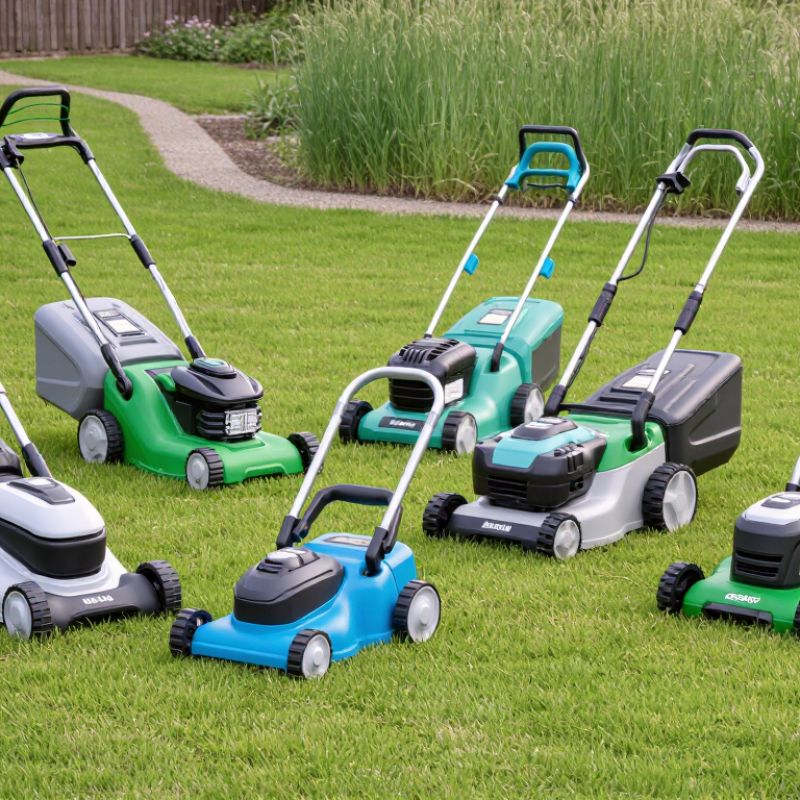
What Wireless Grass Cutters Are and How They Work
A wireless grass cutter is a battery-powered tool for trimming lawn edges, narrow borders, and grass around trees. “Wireless” means it runs without a power cord; it does not mean remote-controlled. No cord trails behind. That makes it easier to move around a garden, though the battery still sets practical limits.
Inside the tool, a rechargeable battery supplies electricity to a small motor near the cutting head. The motor spins a nylon line or, on some models, a compatible blade. The fast-moving line cuts grass when its edge meets the stems. It is useful for finishing areas a mower cannot reach, but it is not a substitute for a mower on broad lawns or for clearing thick woody growth.
Battery capacity, grass density, and cutting technique all affect runtime. Damp, tangled grass can slow the head and use power faster. Short, steady passes usually give cleaner control than forcing the cutter into a dense patch. I’d check the manual for approved line or blade types and keep the guard fitted; compatibility is easy to overlook. Wear eye protection, clear stones and sticks from the work area, and let the head stop before setting the tool down. Some models feel light in a shop but tiring after several minutes overhead. That detail is worth considering.
Overview of Seven Top Wireless Grass Cutters in 2026
In 2026, cordless grass cutters suit everything from quick lawn-edge touch-ups to trimming around trees and fences. These seven designs stand out for different needs, rather than one being best for every yard. A compact, lightweight model is easier to guide around flower beds. A higher-voltage cutter can handle thicker grass, though it may feel heavier during longer sessions. Brushless-motor designs often use battery power efficiently, but actual runtime still depends on grass density and cutting technique.
An adjustable-shaft model can reduce awkward reaching, while a rotating-head design helps switch between trimming and edging. A dual-line cutter may clear growth faster, but its line can wear quickly against paving stones. For larger yards, a model with a higher-capacity battery can mean fewer interruptions; check whether the battery and charger are included. A wheeled mini-cutter offers steadier support on open, level ground, though it is less nimble around tight corners. A quick caveat: advertised runtime is not a guarantee.
Before choosing, compare cutting width, tool weight, line replacement, and battery compatibility. Measure the areas you actually trim, not just the whole lawn. I once underestimated how tiring a heavier tool felt near a hedge. That detail matters. Look for clear safety instructions and a comfortable grip, then match the cutter to your usual jobs.
How Each Featured Grass Cutter Performs
The compact 20-volt cutter feels light around flower beds, but thick grass slows it quickly. A higher-voltage model clears longer edges with fewer pauses, though its heavier battery tires the wrist. Brushless motors usually manage power more efficiently than brushed designs; still, motor labels alone cannot predict cutting speed. The dual-battery option suits larger yards, while adding charge time and cost. Small yards need less.
A cutter with an adjustable head reaches beneath benches without awkward bending. Its hinge can feel loose, though, and that matters near hard edging. The edging-combination model makes clean borders, but its added parts may complicate quick trimming. A budget cutter handles ordinary lawn edges well; dense, damp growth can expose its limits. I would test it there before trusting the rating.
Battery claims need context. The U.S. Energy Information Administration reported an average residential electricity price of 16.0 cents per kilowatt-hour in 2023; a 0.4-kWh charge therefore costs about 6 cents before charging losses. That is an example, not a guaranteed session cost. The U.S. EPA’s 2020 National Emissions Inventory tracks emissions from nonroad equipment, including lawn and garden machinery. Cordless operation avoids exhaust at the point of use, but battery runtime, cutting width, and wet-grass performance still decide whether each tool fits the yard.
7 Best Wireless Grass Cutters in 2026 — Battery Voltage Classes
These are commonly marketed battery-system voltage labels, not measurements of seven specific cutters. “Max” ratings are not directly comparable with nominal ratings: for example, 20V max and 40V max systems are commonly associated with 18V and 36V nominal platforms. Voltage alone does not determine cutting performance.
Safe Operation, Battery Care, and Routine Maintenance
Before starting a cordless grass cutter, check that its guard is secure and the cutting area is clear of stones, wire, and toys. Wear eye protection, sturdy shoes, and long trousers; loose sleeves can catch near moving parts. Keep children and pets well away. Stand firmly, hold the tool with both hands, and let the cutter reach full speed before trimming. Short bursts help around garden edges.
Battery care affects both runtime and service life. Let a warm battery cool before charging, and keep the charger and contacts dry. Store the battery in a cool, dry place away from direct sun. Follow the tool’s manual for storage and charging guidance, since battery designs differ. Don’t leave a depleted pack sitting unused for months. It’s easy to forget.
After each session, switch off the cutter and remove the battery before cleaning or inspection. Brush grass from the guard and air openings; packed clippings can restrict airflow. Check the cutting line or blade for wear, cracks, or tangled debris, and replace damaged parts as directed. I’d be tempted to skip this after a quick trim, but a two-minute check can catch a problem before the next start. Keep the tool dry, and never rinse its motor housing under a tap.