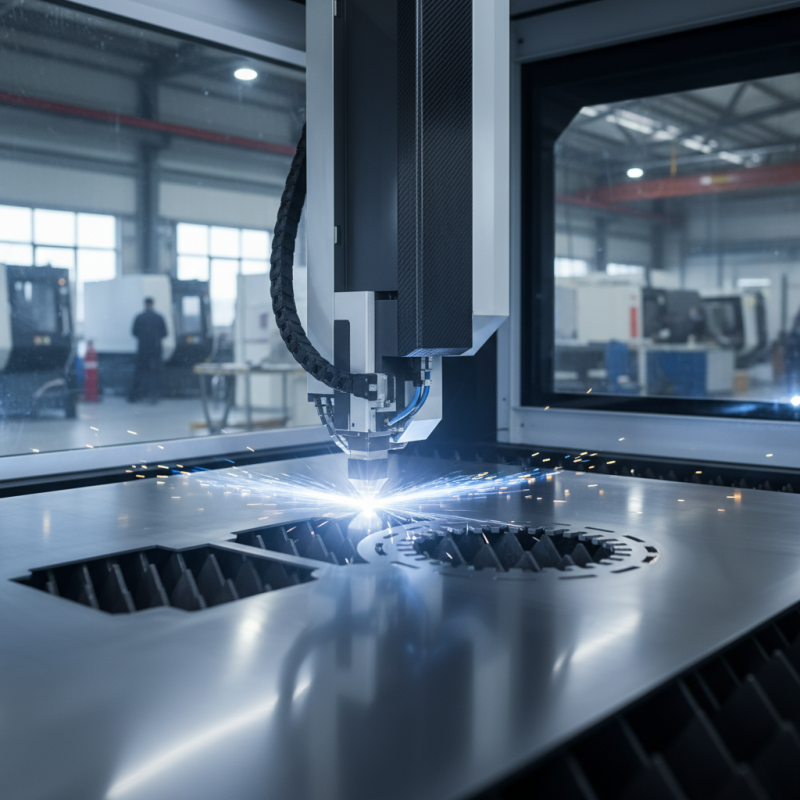
Best Laser Cutting Machine for Precision and Efficiency?
In today's fast-paced manufacturing world, choosing the right laser cutting machine is crucial. Precision and efficiency are paramount for various industries, from automotive to textiles. A reliable machine can significantly impact production quality and speed.
However, finding the ideal laser cutting machine is not as easy as it seems. Factors like material compatibility, cutting speed, and maintenance can complicate the decision. Many users struggle with balancing cost and performance when faced with numerous options available in the market.
It's essential to evaluate your specific needs and challenges. Some machines might excel in speed but lack precision. Others may deliver excellent accuracy but at a high operational cost. This makes the search for the best laser cutting machine both an important and a daunting task. Exploring these aspects can lead to better choices in your next purchase.
Key Features to Consider in Laser Cutting Machines
Choosing the right laser cutting machine requires careful consideration of several key features. Precision remains the top priority for many users. Look for machines with high-quality optics and a tightly focused laser beam. These attributes enhance cutting accuracy, especially for intricate designs. Additionally, the ability to adjust the speed and power settings is crucial for different materials.
Efficiency is another vital aspect. A machine that can cut at varying speeds for different materials can save time and resources. Consider the maximum cutting thickness and speed ratings. These factors significantly impact productivity, especially in a busy workshop. Load capacity is important too. Ensure your machine can handle the materials you use most often.
Tips: Inspect the cooling system; it prevents overheating during prolonged use. Maintain regular checks on mirrors and lenses for optimal performance. Invest time in training too. Understanding the machine’s capabilities will enhance your cutting projects. Take the time to compare options. It can lead to discovering features you hadn’t considered.
Types of Laser Cutting Technologies and Their Applications
Laser cutting technology offers precision and efficiency across various applications. Three primary types exist: CO2 lasers, fiber lasers, and crystal lasers. Each type serves different industries and materials. CO2 lasers excel in cutting non-metal materials like wood and acrylic. They produce clean edges and can work at high speeds.
Fiber lasers are known for their speed and efficiency, especially with metals. They are particularly effective with stainless steel and aluminum. The energy of fiber lasers is easily absorbed by metals, making them highly efficient for industrial applications. Crystal lasers, while less common, are gaining attention for their potential in specialized tasks.
When choosing a laser cutter, consider your material needs. Assess your production volume and desired precision. Higher precision often requires a more advanced system.
Tips: Always test a small piece of your material first. This way, you can find the best settings. Regular maintenance checks are crucial, too. They ensure longevity and consistent performance. Don't rush into a purchase. Research thoroughly to find the best fit for your projects.
Comparative Analysis of Leading Laser Cutting Machine Brands
When exploring laser cutting machines, precision and efficiency stand out as vital criteria. Different brands offer various features that cater to diverse needs. Looking at user reviews, some machines are lauded for their speed, while others excel in accuracy. However, many users report issues with setup and operational complexity. This can be frustrating for newcomers who expect ease of use.
Materials play a crucial role in determining the effectiveness of laser cutting. Not all machines handle every material well. Some struggle with thicker materials, causing inconsistencies in cuts. Others might be efficient but yield less vibrant colors on certain materials. These variances highlight the importance of testing machines with specific materials. Buyers should also consider the maintenance requirements. Some models need regular calibration, which can disrupt workflow.
A thorough comparative analysis reveals that no single brand is flawless. User experiences often emphasize the importance of reliability over features. Many machines promise advanced technology but fall short when it comes to longevity. It’s essential to dig deeper into user feedback rather than rely solely on specs. Investing time in research can lead to better decisions when purchasing laser cutting machines.
Cost-Benefit Evaluation for Laser Cutting Machines
When considering the cost-benefit evaluation for laser cutting machines, it’s vital to analyze operational costs against the precision they offer. High-precision machines can significantly reduce material waste. They do this by cutting with exactness, leading to fewer errors and a better yield. The initial dollar investment may seem substantial, but over time, efficiencies can lead to substantial savings.
Tips: Always calculate the long-term operational costs before purchasing. Look at factors like power consumption and maintenance. Some machines may look cheaper but can rack up costs later.
Efficiency is not just about the speed of cutting. The capability to handle various materials efficiently adds value. Look for a machine that can adapt to different projects without extensive setup time. Sometimes, opting for a versatile model might be more cost-effective in the long run.
Tips: Consider the range of materials you need to cut. This will guide your decision. Remember, sometimes more features can complicate operations, leading to frustration and wasted time. Reflect on your actual needs before deciding.
Laser Cutting Machine Cost-Benefit Analysis
Maintenance and Longevity of Laser Cutting Equipment
Maintenance of laser cutting machines is vital for optimal performance. Regular inspections can help detect minor issues before they escalate. Check the lenses and mirrors frequently for dirt or damage. A clean optical path ensures accurate cuts. This is often overlooked but is essential for precision.
Lubrication is key for moving parts. Apply lubricants as recommended by the manufacturer. Neglecting this can lead to unnecessary wear and tear. It's worth checking the alignment and calibration regularly. Misalignment might not be a visible issue until it affects cut quality.
Longevity is closely tied to usage patterns. High usage may require more frequent maintenance. Develop a routine that suits your operational needs. Remember, investing time in maintenance can extend the life of your machine significantly. In the end, every operator must reflect on their processes and find ways to improve.