10 Best High Voltage Cables for Safe and Efficient Power Transmission
In today's rapidly evolving energy landscape, the demand for reliable and efficient power transmission has never been more critical. High voltage cables play a pivotal role in ensuring that electricity generated from various sources reaches consumers with minimal loss and maximum safety. These specialized cables are designed to handle the intense electrical pressures involved in transmitting power over long distances, making them a fundamental component of modern electrical infrastructure.
As technology advances and renewable energy sources become more prevalent, the importance of selecting the right high voltage cable has become increasingly apparent. Factors such as insulation material, conductor ratings, and environmental resilience are vital in determining the efficiency and longevity of these cables. Furthermore, the integration of advanced technologies into their design is essential for coping with the growing demands of our energy systems.
In this article, we will explore the ten best high voltage cables available, highlighting their features and benefits to aid in making an informed choice for safe and efficient power transmission. By understanding the key aspects of these cables, engineers and project managers can ensure that they are equipped to meet the challenges of today's energy needs effectively.
Overview of High Voltage Cables and Their Importance in Power Transmission
High voltage cables play a crucial role in the transmission of electricity over long distances, enabling efficient energy distribution from power plants to substations and ultimately to consumers. These cables are designed to handle high electrical stress and must maintain insulation integrity under extreme conditions. The importance of high voltage cables lies in their ability to transmit large amounts of electricity without significant energy loss, thereby ensuring a reliable power supply critical for both industrial and residential needs.
The selection of appropriate high voltage cables is essential for enhancing safety and efficiency in power transmission. Key factors that influence this selection include the cable’s voltage rating, insulation material, thermal performance, and mechanical strength. With advancements in technology, modern high voltage cables offer improved thermal management and reduced weight, making them easier to install and maintain.
Furthermore, the implementation of robust safety measures in their design minimizes the risk of failures that can lead to power outages or hazardous situations. Overall, high voltage cables are integral to modern electric grids, supporting sustainability and the growing demand for energy in a rapidly evolving world.
Key Features to Consider When Choosing High Voltage Cables
When choosing high voltage cables, several key features should be considered to ensure safe and efficient power transmission. First and foremost, the insulation material is crucial, as it protects against electrical leakage and external environmental factors. Common materials such as cross-linked polyethylene (XLPE) and polyvinyl chloride (PVC) offer different benefits in terms of thermal stability and chemical resistance, making them suitable for various applications. Additionally, the thickness and quality of the insulation significantly impact the cable's durability and performance under high voltage conditions.
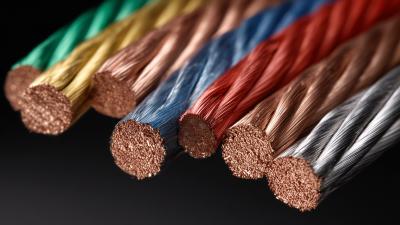
Another important aspect to consider is the conductor's material. Copper and aluminum are the most commonly used materials, each with its own advantages. Copper provides excellent conductivity and tensile strength, making it ideal for high load applications, while aluminum is lighter and more cost-effective, often used in overhead power lines and installations. Furthermore, understanding the cable's voltage rating is essential. Selecting a cable with a higher voltage rating than required ensures a safety margin, reducing the risk of breakdown. Lastly, proper environmental ratings, which indicate resistance to moisture, chemicals, and temperature variations, should guide your decision to ensure that the cables are suitable for the intended installation conditions.
Top 10 High Voltage Cables for Enhanced Safety and Efficiency
When it comes to power transmission, safety and efficiency are paramount. High voltage cables play a crucial role in ensuring that electricity is transported over long distances with minimal energy loss and reduced risk of hazards. The selection of the right high voltage cable can significantly enhance the overall performance of electrical systems. Modern high voltage cables are designed with advanced materials and insulation methods that allow for higher voltage capacity while minimizing the risk of electrical faults and short circuits.
One of the key features of these high voltage cables is their robust construction, which typically includes multi-layer insulation. This not only protects against environmental factors, such as moisture and temperature fluctuations, but also improves the electrical efficiency by reducing energy dissipation. Furthermore, innovations in cable design have led to the development of cables that are more flexible and easier to install, which contributes to increased safety during the installation process. The use of technology such as cross-linked polyethylene (XLPE) in insulation enhances the longevity of the cables, making them a reliable choice for both overhead and underground installations.
In summary, choosing high voltage cables with an emphasis on safety and efficiency can lead to significant improvements in electrical infrastructure. The combination of durable materials, effective insulation, and thoughtful engineering ensures that these cables not only perform well but also provide peace of mind in their operation. Such advancements in cable technology pave the way for safer and more effective power transmission solutions.
10 Best High Voltage Cables for Safe and Efficient Power Transmission
Comparative Analysis of High Voltage Cable Materials and Their Applications
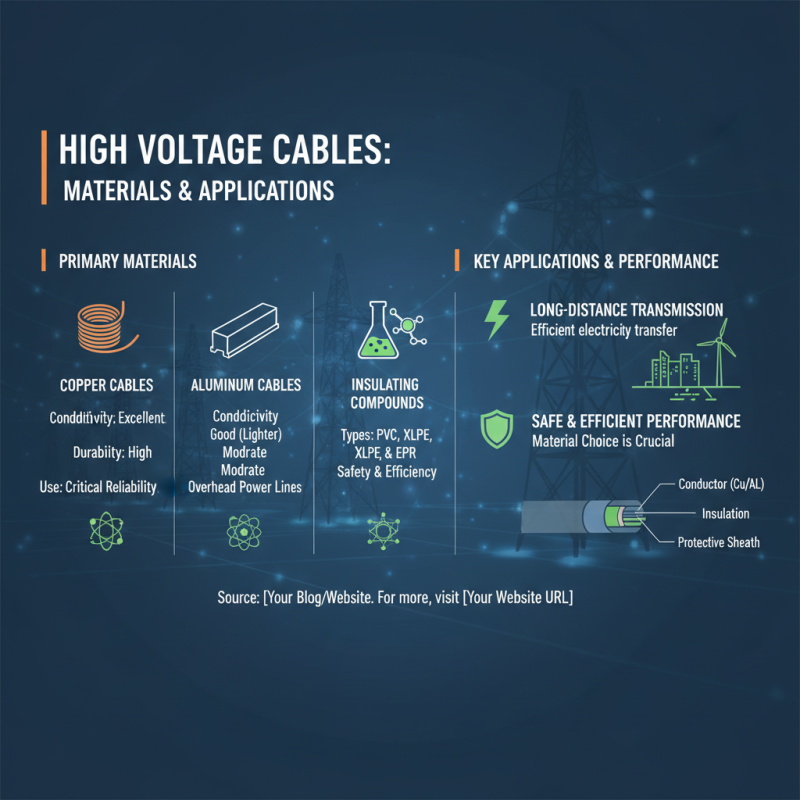
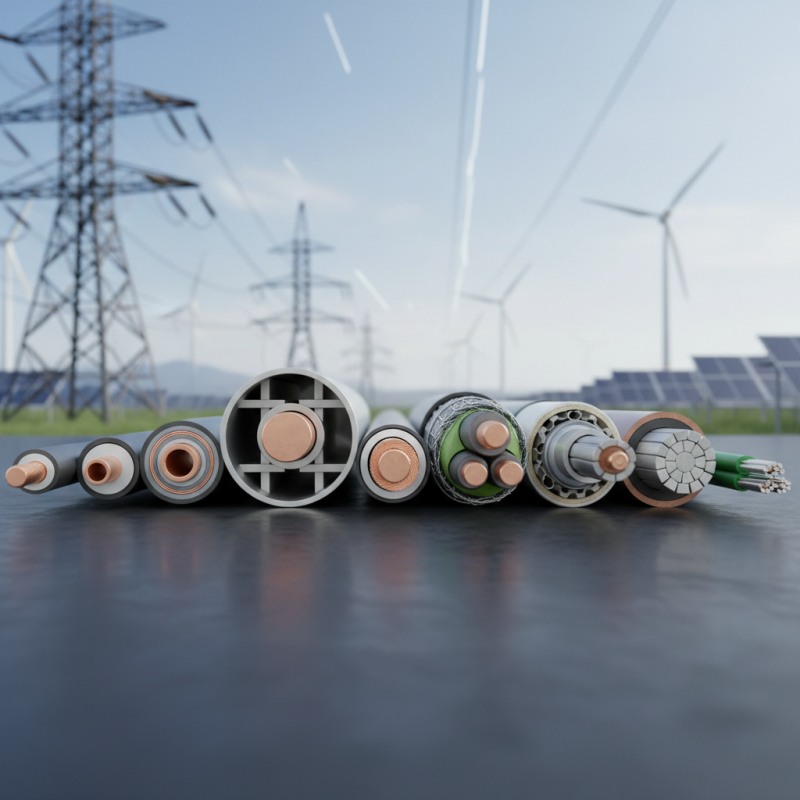
High voltage cables play a crucial role in the transmission of electricity over long distances, necessitating a thorough understanding of their materials and applications for safe and efficient performance. The primary materials used in high voltage cables include copper, aluminum, and various insulating compounds like PVC, XLPE, and EPR. Copper cables, known for their excellent conductivity and durability, are often preferred in environments where reliability is critical. In contrast, aluminum cables offer a lighter alternative with a larger cross-sectional area, making them suitable for overhead power lines, despite having lower conductivity.
The choice of insulating materials is equally significant, as they determine the cable's ability to withstand high voltages and environmental factors. Cross-linked polyethylene (XLPE) is widely favored for its thermal stability and resistance to electrical stress, making it ideal for underground installations. Ethylene propylene rubber (EPR), on the other hand, excels in flexibility and resistance to moisture, which is essential in applications exposed to harsh weather conditions. Understanding these properties and selecting the right combination of materials ensures that high voltage cables can operate safely and efficiently, minimizing energy loss and enhancing overall sustainability in power transmission systems.
Installation and Maintenance Best Practices for High Voltage Cables
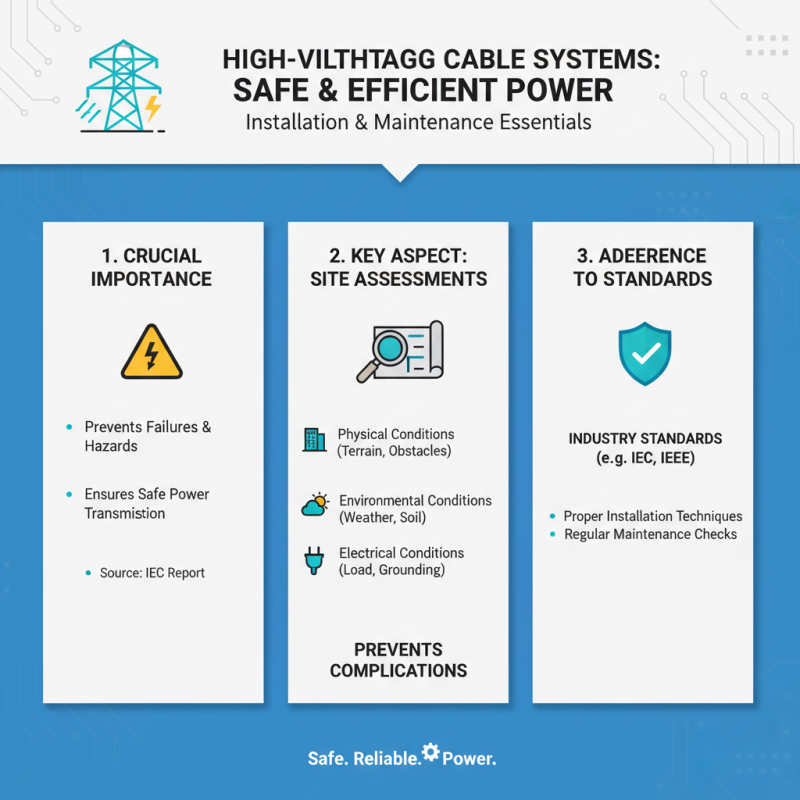
When it comes to high voltage cables, ensuring proper installation and maintenance is crucial for safe and efficient power transmission. According to a report by the International Electrotechnical Commission (IEC), improper installation can lead to significant failures and safety hazards, emphasizing the need for adherence to industry standards. A key aspect of this process is conducting thorough site assessments. Knowing the physical, environmental, and electrical conditions before installation can prevent complications later on.
Another critical practice involves regular maintenance checks. The IEEE Standard for Maintenance of Electrical Equipment highlights that routine inspections and testing can enhance the lifespan of high voltage cables and reduce the risk of outages. Monitoring insulation resistance and performing thermal imaging can help identify potential issues before they escalate. It's advisable to establish a maintenance schedule based on manufacturer recommendations and operational requirements.
**Tips:** Always use certified professionals for installation and maintenance tasks to ensure compliance with safety standards. If any physical damage is observed on the cable’s sheath or connectors, take immediate action to repair or replace the affected components. Regular training sessions for maintenance personnel can also keep them abreast of the latest techniques and safety protocols in the industry.