Best Data Transfer Cable for Fast Efficient Connections?
In today's digital landscape, efficient data transfer is crucial for seamless connectivity. As innovation accelerates, the importance of selecting the right Data transfer cable becomes ever more apparent. “Choosing a quality data transfer cable can make a significant difference in speed and reliability,” says Dr. Emily Chen, a leading expert in the field of data communication. Her insights highlight the considerable impact that cable quality has on overall performance.
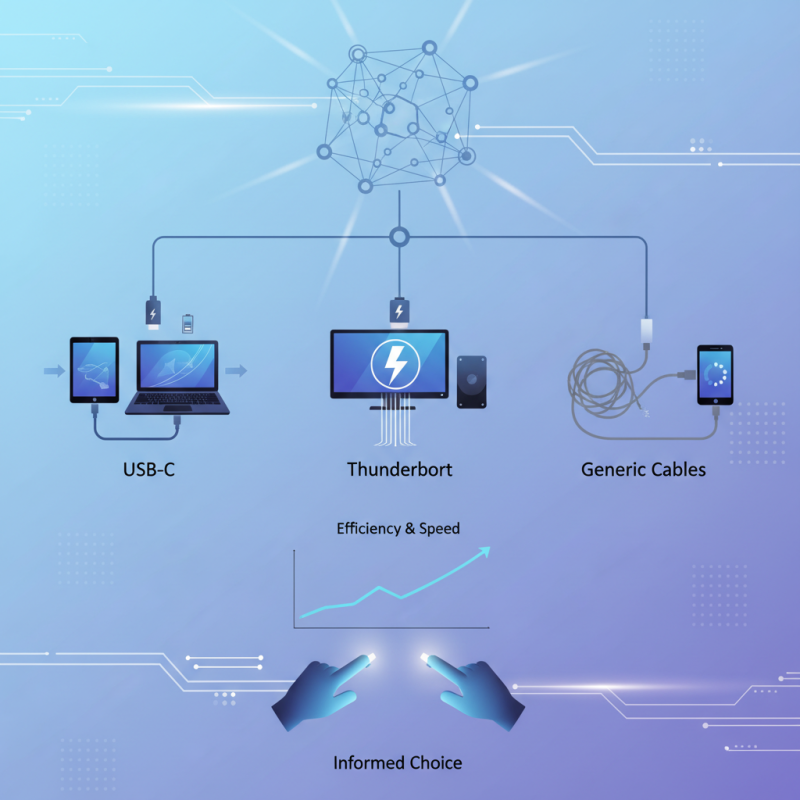
Data transfer cables come in various types, each with its unique specifications. With options like USB-C, Thunderbolt, and more, understanding their functionalities can be daunting. Many users overlook this aspect, often settling for generic cables. This decision may hinder their devices' potential and affect productivity. It's essential to invest wisely in these components.
However, not all cables are created equal. Some may promise high speeds but fail in real-world scenarios. Users need to evaluate their specific needs and the devices they own. A thorough examination can reveal which data transfer cable will truly enhance performance and efficiency. Making informed choices in this area can foster better connections in an increasingly interconnected world.
Understanding Data Transfer Cables: Types and Specifications
Data transfer cables come in various types and specifications, each designed for specific tasks. USB cables are among the most common. They facilitate easy connections between devices like computers and smartphones. USB-C is a newer standard, supporting faster data transfer rates, and it’s reversible. However, some may find compatibility issues with older devices.
Another type to consider is Thunderbolt cables. They offer incredibly high speeds and can daisy-chain multiple devices. This can significantly increase productivity in a workspace. Yet, they can be more expensive than traditional USB options. Users should evaluate whether the price justifies the need for speed.
Fiber optic cables represent the cutting edge of data transfer technology. These cables transmit data using light, allowing for faster speeds over long distances. However, they are delicate and require careful handling. Choosing the right cable involves assessing needs against capabilities and costs. It’s important to reflect on current and future requirements before making a decision.
Key Features to Consider for Fast and Efficient Data Transfer
When choosing a data transfer cable, key features can dramatically impact your efficiency. A reliable cable should support fast data transfer rates. According to industry reports, USB 3.2 can reach speeds of up to 20 Gbps. This speed makes transferring large files, such as 4K videos, much quicker. However, not all cables deliver these speeds consistently.
Durability is another significant factor. Many cables are prone to wear and tear, leading to data loss or slower connections. Look for cables made with high-quality materials. This can enhance longevity and ensure sustained performance over time. In fact, studies suggest that cables made with braided nylon can last up to five times longer than standard plastic cables.
Compatibility is crucial as well. Not all devices support the latest standards. Therefore, understanding the specifications of both your devices and cables is vital. Some users report frustration when their chosen cable fails to work with newer gadgets. It’s essential to research compatibility to avoid potential disappointments. This ensures your investments in technology yield the best results.
Comparative Analysis of Popular Data Transfer Cable Brands
When it comes to data transfer cables, speed and efficiency are paramount. The market offers numerous brands, each claiming superiority. A recent industry report highlighted significant differences in transfer rates among these cables. Some cables reach speeds up to 20 Gbps, while others lag at 5 Gbps. This discrepancy can affect productivity, especially for data-heavy tasks.
Testing showed that build quality varies across brands. Robust cables can endure extensive bending and twisting. In contrast, flimsy options tend to fray over time. User reviews suggest many people overlook this aspect, leading to premature cable failure. It’s essential to balance cost with durability to ensure long-term usability.
When choosing a data transfer cable, one needs to consider compatibility. Not all cables work seamlessly with every device. Some brands focus on USB-C, while others cater to older USB-A formats. This inconsistency can lead to frustration during transfers. Understanding the specific requirements of your devices can save time and energy.
Best Practices for Selecting and Using Data Transfer Cables
Selecting the right data transfer cable is crucial for efficient connections. Factors such as transfer speed, compatibility, and build quality come into play. According to industry reports, using high-quality cables can increase data transfer rates by up to 30%. Users should focus on cables designed for specific devices or platforms to ensure optimal performance.
When using data transfer cables, it’s essential to follow best practices. Keep cables organized and avoid sharp bends. This prevents damage and extends cable life. Clean the connectors regularly to ensure a stable connection. A simple swipe with a soft cloth can make a difference.
Tip: Always check for the latest standards when buying cables. Not all cables are created equal. Older models may not support high-speed data transfer. Spending a bit more on a reliable cable can save time and frustration. Be aware that even small damages to a cable may lead to significant performance issues. Consider testing cables with different devices to confirm compatibility.
Troubleshooting Common Issues with Data Transfer Connections
Data transfer cables are essential for connecting devices quickly and effectively. However, users often encounter common issues. Recognizing these problems can greatly enhance your experience. One typical issue is slow transfer speeds. This can stem from poor cable quality or incompatible devices. Using cables with lower data rates can severely limit performance.
Another frequent challenge involves connection stability. A loose or damaged cable can interrupt data flow. Inspecting your cables regularly is crucial. Sometimes, replacing a worn-out cable can solve these issues instantly. Additionally, check for debris in the ports, as it can cause poor connections.
Overheating is also a concern. If your cable feels hot to the touch, it might indicate a fault. You should also try connecting the devices separately. This can help identify if the problem lies within the cable or the device itself. Experience matters when troubleshooting these issues, so take the time to evaluate each connection.