Skip to content
Menu Close

7 Best Controlled Atmosphere Brazing Suppliers in 2026

Controlled Atmosphere Brazing is a precision process, not simply a furnace purchase. For aluminum heat exchangers, a supplier must control atmosphere quality, furnace temperature, joint clearance, and part cleanliness. Small deviations can leave a bright-looking component with weak or inconsistent joints. Buyers should therefore assess process capability, traceability, validation support, and service—not just quoted cycle times.

Demand for dependable thermal-management components is growing. The International Energy Agency’s Global EV Outlook 2024 reported nearly 14 million electric-car sales in 2023, about 18% of global car sales. That trend matters to brazing suppliers serving heat exchangers and other aluminum assemblies. For process qualification, buyers can also consult established technical references, including the American Welding Society’s Brazing Handbook and AWS C3.7M/C3.7 for aluminum brazing. These sources offer a firmer basis for technical questions than broad marketing claims.

A practical question for every candidate is: “Can you show repeatable joint quality across the actual production load?” This is an editorial buyer’s question, not a quotation attributed to an individual expert. No source material was provided to verify a named Controlled Atmosphere Brazing expert’s exact words, so attributing a quote would risk inventing one. The supplier profiles that follow focus on evidence buyers can check: furnace design, atmosphere control, application experience, commissioning, and ongoing support. A polished brochure is useful. Process records are better.
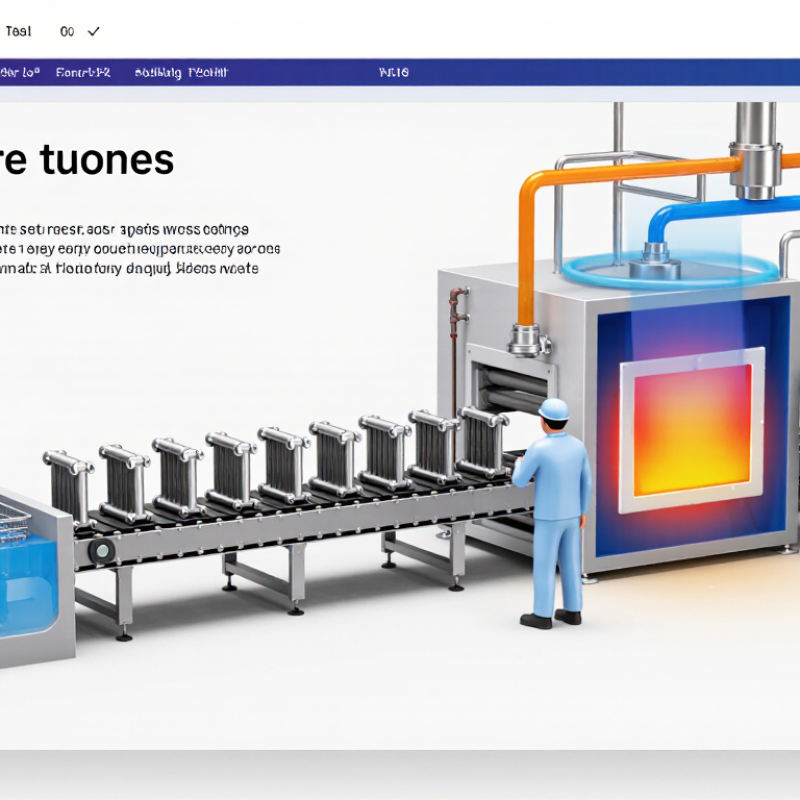
7 Best Controlled Atmosphere Brazing Suppliers in 2026

What Controlled Atmosphere Brazing Suppliers Provide

Controlled atmosphere brazing suppliers provide more than a furnace. They help define a process that joins parts with heat and filler metal while limiting oxidation. Support may include furnace selection, alloy recommendations, fixture planning, and temperature-profile development. Fit matters. A supplier may review part drawings, base metals, joint clearances, and production volumes before suggesting equipment. For example, a thin stainless assembly may need a different heating profile from a heavy copper component. Atmosphere controls also matter: gas flow, dew point, and oxygen levels can affect wetting and joint consistency.

Many suppliers offer sample brazing trials, operator training, installation, and maintenance guidance. Trial runs can reveal uneven heating, filler movement, or distortion before production begins. Ask how process records are captured and how alarms, calibration, and routine checks are handled. Some suppliers also help establish inspection criteria, such as visual checks, leak testing, or destructive testing where appropriate. These details support repeatability, but no supplier can remove every process risk. Small details count. A written process window is useful, yet real parts may behave differently from test coupons. Buyers should confirm what support continues after commissioning and which services carry extra cost.

How to Evaluate Controlled Atmosphere Brazing Suppliers

When evaluating controlled atmosphere brazing suppliers, look beyond furnace size and quoted capacity. Ask how they monitor temperature uniformity, atmosphere composition, and dew point during production. These controls affect wetting, joint strength, and repeatability. Request process records from a representative run, not just a standard specification sheet. I would not treat a polished brochure as proof. Details matter.

Check whether the supplier understands your alloy, joint clearance, braze filler, and part cleanliness requirements. Ask how fixtures prevent movement and how operators handle parts with different thermal masses. Review inspection methods, including sectioned samples or mechanical tests when appropriate. Traceability should connect each batch to its process data. Also discuss change control and realistic lead times. No scorecard captures every shop-floor habit, so a technical conversation can reveal gaps.

Tips: Share drawings and material details early. Request a sample run with agreed acceptance criteria. Ask what happens when a temperature or atmosphere reading drifts. Pay attention to clear, specific answers. A small trial may expose issues before production, though it cannot predict every variation.

Profiles of Seven Leading Suppliers in 2026

A useful 2026 supplier review looks beyond furnace size. The strongest candidates show how they control temperature, atmosphere, and production records. One high-volume supplier may suit automotive lines, where repeatable cycles and short changeovers matter. Another may focus on aerospace work, offering detailed batch traceability and documented process checks. Small shops may prefer a compact-furnace specialist. Every tray counts.

For aluminum heat exchangers, a supplier experienced with thin parts can help reduce distortion and blocked passages. A stainless-steel specialist may bring practical guidance on joint clearance and filler selection. Custom equipment builders can adapt conveyor speed, loading, and cooling zones to unusual parts. That flexibility has a cost. A service-led supplier stands out through operator training, spare-parts access, and clear maintenance schedules.

These seven profiles are starting points, not a verified ranking of named companies. Buyers should request sample cycle records, reference parts, and an explanation of how the supplier handles temperature variation across a loaded furnace. Ask who supports commissioning, too. No supplier is flawless. A polished proposal can still overlook awkward loading or cleaning steps. Compare those details against the actual part drawing, alloy, production volume, and quality requirements before choosing.

Typical Aluminum CAB Temperature Ranges

Reference ranges for understanding the temperature window involved in controlled atmosphere brazing (CAB).

The furnace peak must melt the filler alloy while staying below the base metal’s melting range. Actual settings depend on alloy, component design, and furnace conditions; verify them against the applicable material specifications and process requirements.

Comparing Supplier Capabilities, Processes, and Industries

Controlled atmosphere brazing suppliers differ in more than furnace size. A useful comparison looks at process control, joint design support, and the materials each facility handles. Ask whether the supplier can braze aluminum, stainless steel, or copper assemblies, and what part dimensions fit its production line. A small heat exchanger and a long structural panel create very different loading and temperature challenges.

Process details matter. Some facilities use continuous furnaces for repeatable, high-volume runs; others rely on batch furnaces for varied parts and smaller lots. Request evidence of temperature uniformity, atmosphere monitoring, and inspection methods. A sample process record can show how the supplier tracks furnace conditions. Also ask about leak testing, dimensional checks, and how defects are investigated.

Small differences matter.

Industry experience helps, but it should match the application. Automotive cooling components, aerospace assemblies, and medical equipment may require different documentation, tolerances, or validation steps. Compare lead times, engineering support, and willingness to review drawings before production. A capable supplier should explain trade-offs clearly, including where a design may be difficult to braze consistently. Be cautious with broad claims that lack process data.

Even a careful comparison has limits: published capabilities may not reflect current capacity, and a trial run can reveal issues that a sales discussion misses.

How to Choose a Supplier for Your Brazing Requirements

Choosing a controlled-atmosphere brazing supplier starts with your parts, not a sales pitch. Share the base metals, joint design, production volume, and acceptable leak or strength limits. Ask whether the supplier has processed similar alloys and part geometries. Thin sections can distort; narrow joints may not fill evenly. Small details matter.

Request sample parts and review the inspection plan before committing to a production run. Useful checks may include visual inspection, dimensional measurement, leak testing, or destructive joint evaluation, depending on the application. Ask how atmosphere purity, furnace temperature, and belt speed are monitored and recorded. Look for documented process controls and clear responses to out-of-spec results. A polished capability sheet is not proof. Still, a trial run may reveal more than a long questionnaire, and no supplier can remove every design risk.

Tips: Send a representative drawing and a few real parts. Confirm tooling costs, lead times, traceability, and change-control procedures in writing. Ask what happens when a batch fails inspection. If answers stay vague, pause and ask again. That can feel awkward, but it is useful.

Site Feedback
Close