Top 10 Benefits of Using Ground Rod Copper for Your Projects?
When considering electrical grounding solutions, Ground Rod Copper stands out as an exceptional choice. Its high conductivity and durability make it ideal for many projects. This metal reduces the risk of electrical surges and enhances safety in various applications. People often overlook its advantages due to cost or availability.
Using Ground Rod Copper can lead to long-term benefits. For instance, it can significantly lower maintenance needs over time. This ensures consistent performance in grounding systems. Projects involving heavy machinery or sensitive electronics particularly benefit from its reliable grounding capabilities. Potential users should understand that while it may seem costly at first, the investment pays off in enhanced safety and reliability.
Despite its many benefits, some challenges with Ground Rod Copper exist. Corrosion can affect performance in certain environments, leading to costly replacements. Therefore, choosing the right installation and maintenance practices is crucial. Balancing these considerations is vital for maximized performance in any project involving electrical grounding solutions.
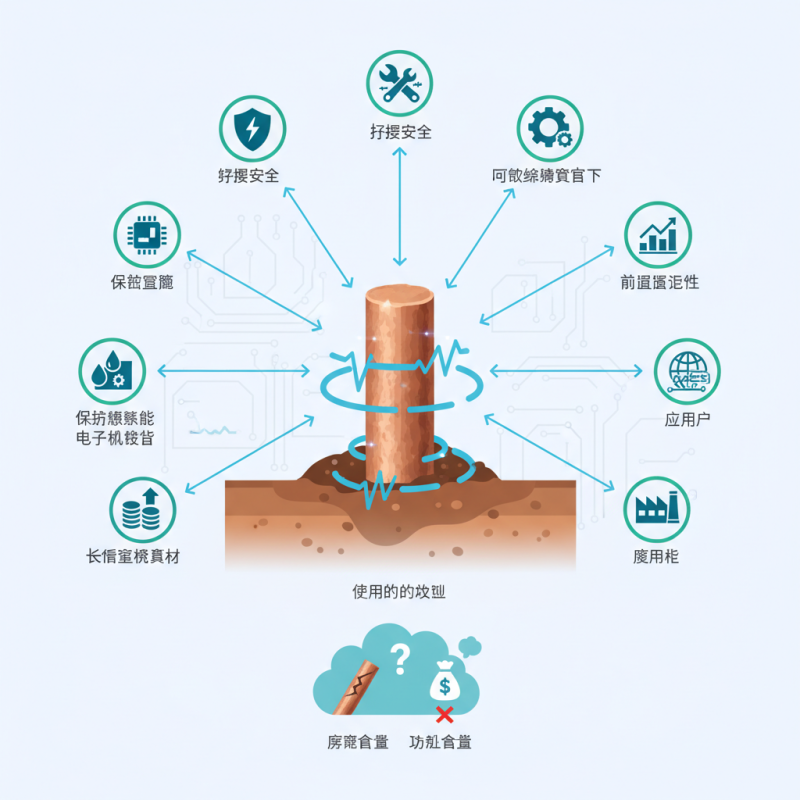
Benefits of Ground Rod Copper in Electrical Systems
Ground rod copper plays a crucial role in electrical systems. It provides reliable grounding, which protects both equipment and personnel from electrical surges. When installed correctly, these copper rods can effectively dissipate excess electricity into the earth. This reduces the risk of shock and equipment damage.
The conductivity of copper is unmatched. It ensures that electrical systems function smoothly and efficiently. This makes copper an ideal choice for grounding purposes. The durability of copper also means it can withstand harsh environmental conditions. However, one must ensure proper maintenance to prevent oxidation, which can reduce its effectiveness over time.
Ground rod copper is not without its challenges. Improper installation can lead to grounding failures. It's vital to assess soil conditions before installation. Some areas may require deeper installation to achieve adequate grounding. Regular inspections can help identify any issues early. This proactive approach enhances the reliability of the electrical system.
Enhanced Durability and Longevity of Ground Rod Copper
When considering materials for grounding projects, ground rod copper stands out for its enhanced durability. Copper is less prone to corrosion compared to other metals. This means it can last longer, even in harsh environments. Whether it's for electrical systems or telecommunications, copper's longevity is a significant advantage. It offers reliable performance over many years, reducing the need for frequent replacements.
One of the critical benefits of ground rod copper is its conductivity. High conductivity ensures that electrical currents can flow smoothly. This efficiency helps protect your systems from damage due to electrical surges. Additionally, copper can withstand extreme temperature variations. It doesn’t lose its efficiency, no matter the weather conditions.
Tips: Ensure proper installation techniques to maximize copper's benefits. Regular inspections can help identify issues early. For areas with high moisture, consider using a corrosion-resistant coating to protect the copper further. Even with its durability, monitoring your installations is vital for optimal performance. Making adjustments based on environmental changes can extend the life of your copper rods.
Improved Electrical Conductivity of Ground Rod Copper
When it comes to electrical projects, the benefits of using ground rod copper cannot be overstated. One of the most significant advantages is its improved electrical conductivity. Copper has a conductivity rate of 59.6 x 10^6 S/m, making it one of the most effective materials for grounding applications. This high level of conductivity allows for efficient current flow, reducing the risk of electrical failures.
According to industry studies, using copper ground rods can enhance system performance. They can lower the resistance in grounding systems, which can be critical for safety. Effective grounding prevents dangerous voltage buildup, which could lead to equipment damage or personal hazards. Data suggests that copper grounding systems can outperform aluminum by nearly 50% in conductivity, demonstrating its superiority.
However, challenges exist. Copper is susceptible to corrosion in certain environments, which may compromise its conductivity over time. Monitoring the condition of your copper rods is crucial. Regular inspections can identify wear that could impede performance. While copper proves beneficial, it’s essential to balance its advantages against maintenance needs to ensure optimal system efficiency.
Cost-Effectiveness of Using Ground Rod Copper in Projects
Copper ground rods are popular in various projects, primarily due to their cost-effectiveness. They provide a reliable means of grounding electrical systems. This reliability helps prevent electrical shocks and equipment damage, making projects safer.
Investing in copper rods may seem costly upfront. However, their durability and longevity often outweigh initial expenses. Copper resists corrosion and handles high conductivity well. In the long run, this means fewer replacements and lower maintenance costs.
Using copper ground rods can also enhance project efficiency. With a strong grounding system, electrical systems operate smoothly. This can lead to fewer interruptions and costly downtime in electrical work. While some may overlook these benefits, they are crucial for any serious project. Balancing initial costs with long-term benefits is essential for proper budgeting.
Safety Advantages of Ground Rod Copper in Lightning Protection
When it comes to lightning protection, ground rod copper plays a vital role in ensuring safety. Lightning strikes can reach up to 300 million volts, making reliable grounding systems essential. Utilizing ground rod copper effectively dissipates electrical surges into the ground. Studies show that copper is significantly more conductive than other metals, reducing resistance and enhancing safety measures.
Data indicates that over 70% of lightning-related incidents are mitigated by effective grounding systems. Ground rod copper offers durability and corrosion resistance. Its lifespan often exceeds 25 years when installed properly. In environments with high moisture or soil acidity, copper remains resilient. However, using inferior materials can lead to failures. This reinforces the need to adhere to industry standards during installation.
While many understand the importance of grounding, misconceptions persist about materials. Some believe aluminum is a sufficient replacement. However, aluminum has about 61% of the conductivity of copper. This disparity can lead to inadequate protection. Recognizing these nuances is key to implementing effective lightning protection strategies.