Why Buy Used Pavers for Your Project?
Choosing a Uesd Paver can reduce material costs while giving an existing patio, walkway, or driveway another life. There is a larger waste problem behind that choice. The U.S. Environmental Protection Agency reported that construction and demolition activities generated about 600 million tons of debris in 2018. Its report also estimated that 455 million tons were directed to another use, much of it as aggregate. These figures show why material reuse matters, but they do not prove that every secondhand paver is a sustainable bargain.
Inspect each piece closely. Check for cracks, chipped corners, uneven thickness, and stains that may not come out. Ask where the pavers were installed and whether they were exposed to de-icing salts or heavy vehicle traffic. A weathered surface may add character. A hidden fracture may create trouble after installation. Measure several pieces, since older batches can vary in size and color. Then compare the usable quantity with your layout and allow for cuts and breakage.
The savings can be real. So can the extra work. Used pavers may need cleaning, sorting, or replacement pieces, and matching a discontinued style can be difficult. EPA data offers useful industry context, not a project-specific guarantee. The practical decision comes down to condition, availability, transport, and installation cost. Look carefully before loading the truck. A good purchase should fit both the design and the budget.
What Used Pavers Are and How They Are Reclaimed
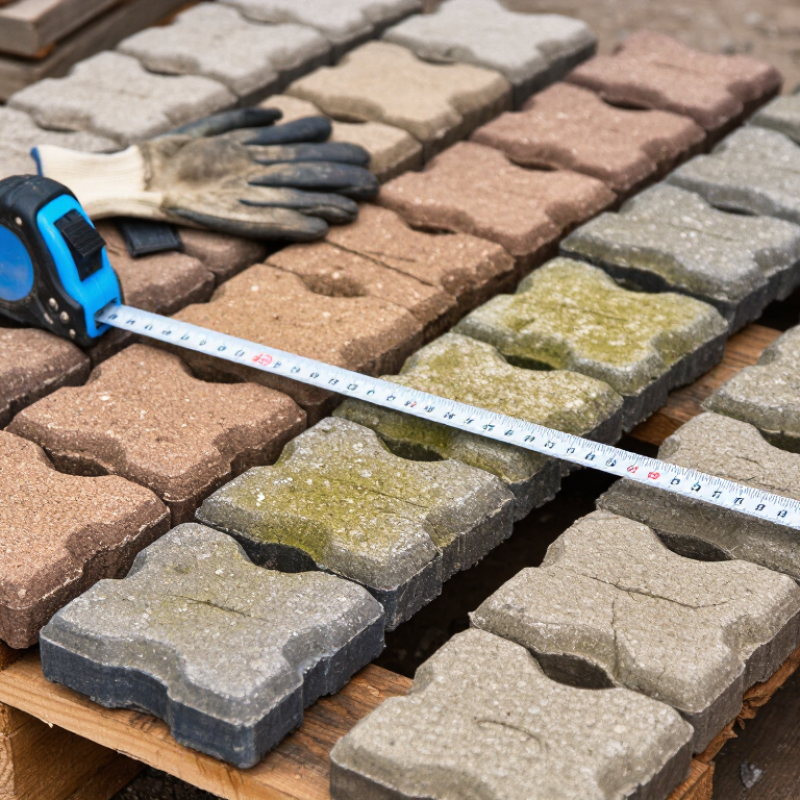
Used pavers are concrete, clay, or natural-stone units removed from patios, walkways, driveways, or other paved areas. Reclamation usually starts with careful lifting to limit breakage. Workers then sort pieces by material, size, thickness, and visible condition. Soil and loose mortar are brushed or washed away, and damaged units are set aside. Not every piece survives.
The U.S. Environmental Protection Agency’s 2018 construction and demolition materials report estimated 600 million tons of debris generated nationwide. That total covers many material types, not pavers alone, but it highlights the scale of potential reuse. Reclaimed pavers can avoid some demand for new units and preserve the varied color and wear of an older surface. Still, batches rarely match perfectly. A few uneven edges or faded faces may remain, and that can be part of the appeal—or a design challenge.
Tips: Ask how the pavers were stored and whether they came from one site. Inspect several pieces for cracks, spalling, and inconsistent thickness. Lay a small sample on a level base before ordering the full quantity; the color under outdoor light may look different from a warehouse sample.
Why Buy Used Pavers for Your Project?
What Used Pavers Are and How They Are Reclaimed
Used pavers are salvaged from existing patios, walkways, or other paved areas. They are typically reclaimed by lifting, sorting, and cleaning them before they are assessed for reuse. Their size and condition can vary, so check the actual pieces before estimating coverage.
How to read this chart: The bars show the theoretical coverage of 100 pavers using their nominal face dimensions. Coverage is calculated in square feet and excludes joint spacing, breakage, and unusable pieces. Measure reclaimed pavers on site for a reliable project estimate.
How Used Pavers Compare with New Pavers
Used pavers can lower material costs, especially when a project needs a broad patio or garden path. Their weathered faces may blend with older brickwork and established landscaping better than crisp new units. Color variation is part of the appeal. It can also complicate matching.
Compared with new pavers, used units rarely arrive in uniform condition. Check several pieces for cracks, chipped corners, stains, and uneven thickness before buying. Set a sample on level ground and compare its height and color in daylight. Small flaws. Large effect. A mixed pallet may require extra sorting and cuts, which can reduce savings through added labor.
New pavers typically offer consistent sizing and predictable quantities, making layout and replacement planning simpler. They may suit precise patterns or areas with heavy foot traffic, though the choice also depends on the base and installation. For used pavers, ask how they were removed and stored; residue or hidden fractures may appear only after cleaning. I would allow for extra material, but not assume every reclaimed piece is usable.
Benefits of Choosing Used Pavers for a Project
Used pavers can reduce material costs while giving a patio or walkway a weathered, established look. Their value depends on condition, consistency, and how much sorting the project requires. The U.S. Environmental Protection Agency estimated that 600 million tons of construction and demolition debris were generated in 2018. That figure covers many materials, not pavers alone, but it shows why recovering usable materials matters. Reclaimed pavers can keep sound units in circulation and reduce demand for newly manufactured products.
There are practical benefits, too. Older pavers may have settled color and surface texture that blend naturally with existing paths. Buying locally can also limit transport distance, though actual savings depend on delivery and preparation costs. Inspect each batch for cracks, chipped edges, stains, and varying thickness. Still, used does not mean flawless. Mixed sizes may need extra cutting, and an uneven base can lead to rocking stones or puddles. A small test layout helps reveal color and fit issues before installation.
Tips: Ask to inspect the full lot in daylight. Confirm approximate dimensions and quantity, then order a modest surplus for cuts and future repairs.
EPA data: Advancing Sustainable Materials Management: 2018 Fact Sheet.
How to Inspect and Select Quality Used Pavers
Why Buy Used Pavers for Your Project?
How to Inspect and Select Quality Used Pavers
Inspect the full lot before agreeing to buy. Used pavers can vary in color, thickness, and wear, even when they appear alike in a listing. Look closely. Check several pieces from different parts of the stack, not just the clean ones on top. Hairline cracks, crumbling corners, and deep chips may worsen under foot traffic or shifting ground.
Compare dimensions and thickness with your project plan. Small differences can make a level patio harder to lay. Turn a few pavers over and inspect their undersides for heavy mortar, packed soil, or damage that could prevent a stable fit. Some surface staining may fade after cleaning; structural cracks usually will not. A dry test layout helps reveal color variation before installation. Not every flaw matters, but it helps to decide which ones you can live with.
Ask how many pavers are available and whether they came from one installation. Mixed batches may create a patchy appearance, especially across a large area. Request a few extra pieces for cuts and future repairs. If possible, check the pavers after rinsing, since dirt can hide their true color and surface condition. Even careful checks miss things. Set aside time to inspect the entire quantity, and be willing to walk away if the quality does not match the price.
Projects Suited to Reclaimed Pavers and Installation Basics
Reclaimed pavers can suit patios, garden paths, courtyard repairs, and other projects where a weathered finish feels natural. Their varied colors and softened edges add character, especially beside older brick or established planting. They can also help match an existing paved area, though exact color and size matches are rarely guaranteed. Check each piece for cracks, flaking, oil stains, and uneven thickness before buying. Not every old paver is a bargain. Sorting and extra preparation may take more time than expected.
Tips: Ask how the pavers were previously used and stored. Measure several pieces, not just one. Set aside a small sample and lay it beside your home in daylight; colors can look different outdoors.
For installation, excavate to suit the paver thickness and expected foot or vehicle traffic. Create a stable, compacted base, then add a level bedding layer. Keep the finished surface slightly sloped away from buildings so water can drain. Dry-lay a small section first. This reveals size variations before they become hard to correct. Use spacers or adjust joint widths where needed, and cut only with suitable protective equipment. Reclaimed pieces may need more individual fitting, and a rushed base can leave the surface uneven. Check drainage after the first rain.