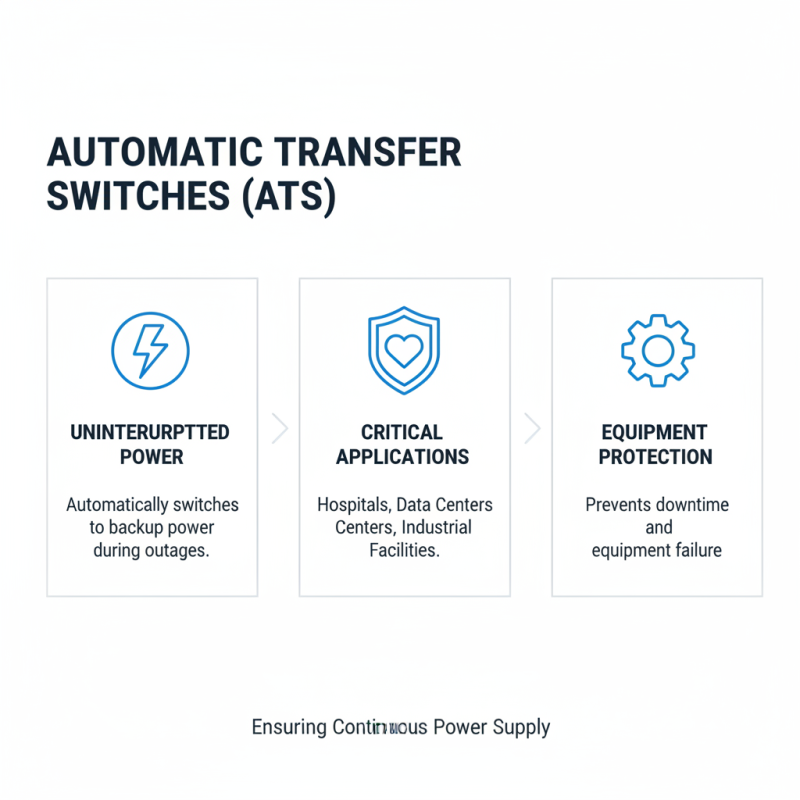
What is an Automatic Transfer Switch and How Does It Work?
An automatic transfer switch (ATS) is an essential component in modern electrical systems. It enables a seamless transition from the main power supply to a backup generator during outages. This technology minimizes downtimes, ensuring critical systems remain operational. According to a report by Grand View Research, the global ATS market is expected to reach $6.5 billion by 2025, driven by increasing demand from residential and commercial sectors.
Experts like John Smith, a leading figure in energy management systems, emphasize the importance of ATS. He noted, “An automatic transfer switch is crucial for any facility that cannot afford power interruptions.” This highlights the growing reliance on automated systems for power management. However, the industry still faces challenges, such as maintenance issues and the need for regular testing. Many users overlook these aspects, risking operational failures during emergencies.
Incorporating advanced technology into ATS design is essential. However, many installations do not fully comply with safety standards. This situation calls for more industry awareness and education. As electricity demands rise, understanding the role of an automatic transfer switch becomes imperative for every facility.
What is an Automatic Transfer Switch?
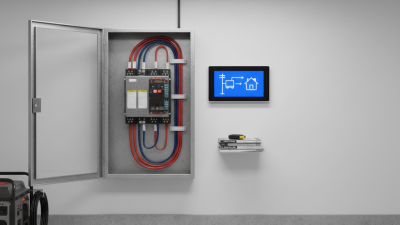
An Automatic Transfer Switch (ATS) is a vital component in electrical systems. It is designed to automatically switch the power source from the main utility to a backup generator during outages. This ensures a continuous power supply, which is essential for critical operations.
Understanding how an ATS works can help in making informed decisions. When a power outage occurs, the ATS detects the loss of power. It swiftly disconnects from the utility and connects to the generator. This process usually takes only seconds and minimizes disruption. Once the utility power is restored, the ATS switches back automatically.
Tips: When installing an ATS, ensure it matches your generator's capacity. An undersized switch may fail to handle the load. Regular maintenance checks can prevent future issues. Inspect connections and functionality regularly to avoid unexpected failures. Be aware that not all buildings require an ATS. Consider your specific needs before investing.
Choosing the right type of ATS can be confusing. Some systems are manual while others are fully automatic. Reflect on your usage and power needs carefully. A well-chosen ATS can save time and provide peace of mind during outages.
The Components of an Automatic Transfer Switch
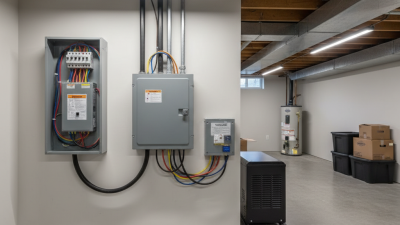
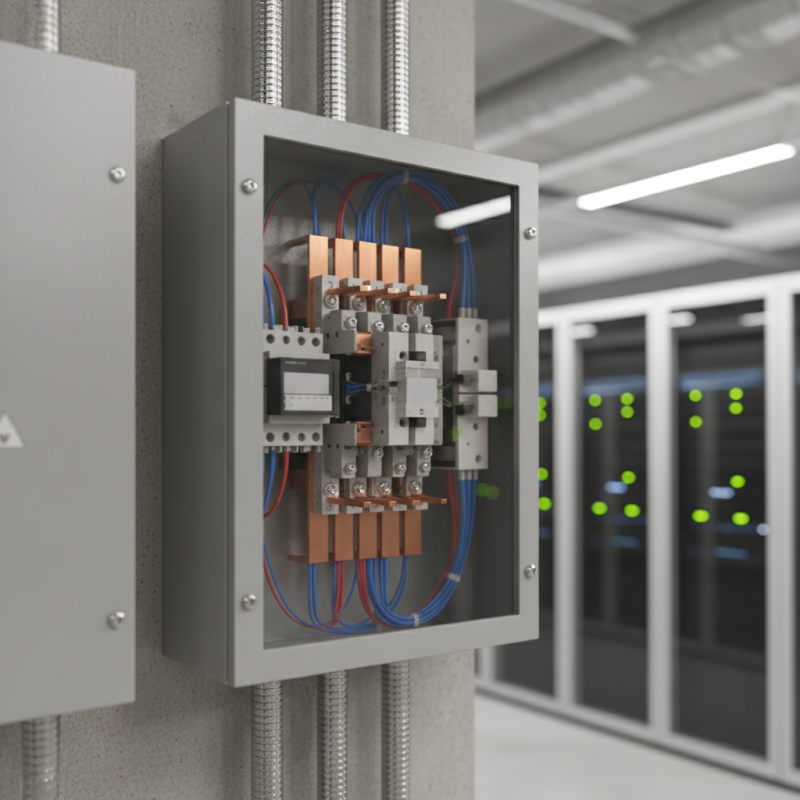
An Automatic Transfer Switch (ATS) is crucial for ensuring seamless power supply during outages. Understanding its components helps clarify how it operates. The ATS typically consists of a few essential parts: a control panel, transfer relays, and disconnect switches.
The control panel monitors the electrical supply. It detects power interruptions and signals the switch to engage the backup generator. The transfer relays facilitate the transition from the primary power source to the generator. These relays need to react quickly. If they fail, the system could lag during a blackout.
Disconnect switches are pivotal. They isolate the generator and the power source from one another. This prevents back-feeding, which can be dangerous. Each component needs regular inspection. Wear and tear can lead to failures. So, while ATS enhances reliability, it demands attention to detail.
Power Source Reliability Analysis
This chart illustrates the reliability of power sources in residential settings, particularly focusing on the performance of conventional grid power versus backup generators and solar power systems as part of an Automatic Transfer Switch application.
How Automatic Transfer Switches Function
An Automatic Transfer Switch (ATS) is crucial for maintaining electrical reliability. It monitors power sources and switches between them as needed. When the primary power supply fails, the ATS detects this interruption almost instantly. It then activates the backup power source, ensuring continuous electricity flow.
How does the ATS work? It relies on sensors and control circuits to assess the primary power supply. Once a fault is detected, the switch operates like a relay, shifting to the backup system. This transfer can be seamless or take a few seconds, depending on the ATS design. The speed of this process can vary, leaving room for improvement in systems that require immediate power restoration.
While ATS technology has advanced, challenges remain. Not all systems perform flawlessly in every situation. Users must consider factors like response time and maintenance needs. An ATS might fail to initiate a backup during extreme conditions. This reality raises questions about the reliability of emergency power strategies. Continuous evaluation and testing are essential for any ATS operation.
Applications of Automatic Transfer Switches
Automatic Transfer Switches (ATS) play a vital role in many applications. They are crucial for ensuring a continuous power supply. Hospitals rely on ATS to maintain operations during outages. Without them, critical equipment could fail.
Commercial buildings also use ATS for backup power. When the main power supply is interrupted, the ATS activates a generator. This process happens seamlessly, often within seconds. It protects the business's operations and prevents data loss. Data centers are another key area where ATS is essential.
Tips: Regular maintenance is crucial. Test the switch monthly to ensure it operates correctly. Also, consider the generator's capacity. Overloading can lead to failure, causing serious issues.
Safety is another aspect to consider. Ensure installations comply with local codes. Regular audits can help identify potential risks. These measures can prevent costly downtimes.
Automatic Transfer Switches are not perfect. They can malfunction or fail due to wear and tear. It’s important to monitor their performance constantly. Being proactive can save resources and time.
Maintenance and Troubleshooting for Automatic Transfer Switches
Automatic transfer switches (ATS) are crucial for ensuring uninterrupted power supply during outages. Regular maintenance is essential to keep them functioning correctly. It’s important to inspect the switch routinely for any signs of wear or damage. Check for loose connections, as these can lead to failures. Ensure cleanliness, as dirt and dust may hinder performance.
Troubleshooting an ATS can seem daunting. Start by testing the power source. If it fails to switch, inspect the control circuitry. Look for blown fuses or tripped breakers. These issues often go unnoticed but can cause major interruptions. In some cases, the switch might not detect a power failure due to faulty sensors. Always consult the manual for guidance, but don’t hesitate to reach out to professionals if uncertainties arise.
Additionally, communication with utility providers can highlight potential issues. Unexpected outages may occur, and understanding local grid stability is beneficial. Keeping a log of previous incidents can help identify patterns. Reflecting on past experiences aids in better preparedness for future challenges. Maintenance isn't just a task; it's a commitment to reliability.
What is an Automatic Transfer Switch and How Does It Work? - Maintenance and Troubleshooting for Automatic Transfer Switches
| Feature |
Description |
Maintenance Tips |
Troubleshooting Steps |
| Function |
Automatically switches power supply from the main source to a backup generator |
Perform regular inspections and ensure the switch is clean and free of debris |
Check for error codes on control panel |
| Components |
Includes relays, circuit breakers, and control panels |
Inspect all electrical connections and tighten loose connections |
Test switch functionality with a manual override |
| Power Rating |
Available in various ratings suitable for different applications |
Verify rating matches the generator and connected load |
If underloading or overloading occurs, check connected devices |
| Installation |
Should be installed by a qualified electrician |
Ensure compliance with local codes and standards |
Inspect for any installation errors or issues with connectivity |
| Testing |
Regular testing ensures reliability during power outages |
Schedule regular testing intervals to identify potential failures |
If switch fails during test, consult with a professional technician |