Skip to content
Menu Close

7 Air Cooling Chiller Buying Tips for Global Buyers

Buying an Air Cooling Chiller is not just a capacity decision. The right unit must match your process, site conditions, and service resources. A chiller that performs well in a mild climate may struggle during a hot afternoon or in a crowded plant room. Small details matter.

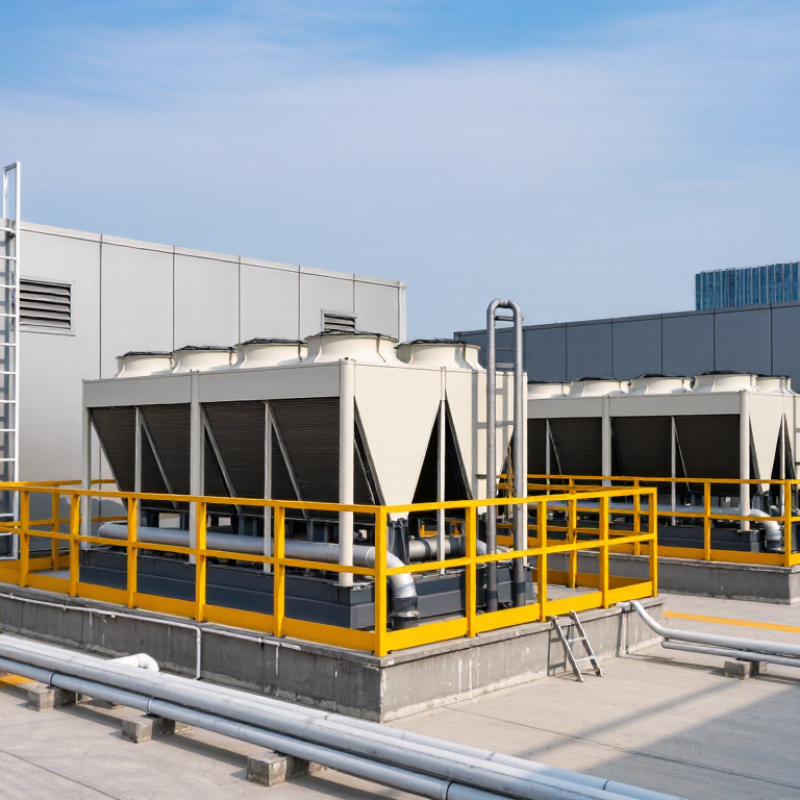
Start with the actual cooling load, including peak demand and future changes. Ask suppliers to explain their capacity ratings at your expected ambient temperature, not only under ideal test conditions. Check airflow clearances, noise limits, electrical supply, and installation access. A rooftop location, for example, may need extra attention to airflow and maintenance access. Simple on paper.

Efficiency deserves careful comparison. Review performance data across operating conditions, rather than relying on one headline rating. Variable-speed fans and compressors can help, but their value depends on the load profile and local energy costs. Request clear documentation and confirm that quoted specifications match the proposed model. I would not assume every brochure tells the whole story.

Global buyers should also assess controls, spare-parts availability, warranty coverage, and the supplier’s technical support in their region. Confirm which safety and equipment requirements apply in the destination market with qualified local professionals. Ask about lead times, packaging, commissioning, and service response before placing an order. These checks can prevent delays after delivery. They cannot remove every risk. Compare offers on the same technical basis, and record unanswered questions. A lower purchase price may look attractive, yet downtime, difficult maintenance, or poor fit can cost more over time. This guide outlines seven practical buying tips to help buyers make a more informed choice.
7 Air Cooling Chiller Buying Tips for Global Buyers

Define the Cooling Load and Operating Requirements

Before comparing air cooling chillers, define what the process needs to cool and under which conditions. Record the target fluid temperature, required flow rate, and acceptable temperature variation. A machine serving a steady production line may need a different duty profile from one handling short, intense batches. Small details matter.

Estimate the cooling load from the heat entering the process, not just the equipment’s nominal rating. For water, a useful starting point is: cooling capacity in kW ≈ flow in litres per second × temperature difference in °C × 4.18. Confirm the fluid type and properties before using this estimate. Then check it against actual operating data, if available. A quick estimate can miss heat from pumps, motors, or warm incoming materials.

Also document the chiller’s working environment. Note the highest expected outdoor temperature, available installation space, airflow clearance, operating hours, and seasonal changes in demand. Air-cooled units can lose capacity in hot conditions, so ask for performance data at the site’s design temperature, not only at standard test conditions. Leave a sensible allowance for uncertainty, but avoid adding excessive capacity without a clear reason. Oversizing may increase cycling and energy use. Real demand can be messy. Review peak loads and normal loads separately, especially if production schedules change.

Compare Air-Cooled Chiller Types and Performance Ratings

Air-cooled chillers differ in how they handle capacity and changing loads. Scroll models often suit smaller systems or modular installations, where several units can stage on and off. Larger screw chillers may serve steadier, higher-capacity demands, but their performance depends on system design and operating conditions. These are useful starting points, not fixed rules.

Compare rated cooling capacity, power input, and efficiency at the same entering-air and leaving-water temperatures. A unit tested at mild outdoor temperatures may deliver less cooling during a hot afternoon. Check the performance envelope. Also review part-load ratings, such as integrated efficiency values, when the building runs below peak load for much of the year. Not always. A strong part-load figure cannot compensate for poor selection at the site’s actual design conditions.

Look beyond the headline efficiency number. Ask for sound data, fan power, operating limits, and capacity at the expected summer ambient temperature. Check whether the rating uses water temperatures close to your process needs; a few degrees can change the comparison. Installation details matter, too: blocked airflow beside a wall can undermine an otherwise suitable selection. One detail buyers sometimes miss is service access. Leave space around the coil and control panel. Ratings guide a shortlist, but they do not replace a site-specific load calculation.

7 Air Cooling Chiller Buying Tips for Global Buyers - Compare Air-Cooled Chiller Types and Performance Ratings
Buying Tip Chiller Types and What to Expect Performance Data to Compare Buyer Action
1. Match the compressor type to the load Scroll compressors are commonly used in smaller or modular chillers. Screw compressors are common in larger packaged units. Air-cooled centrifugal models are available for some large applications but are less common. Variable-speed options may be offered with different compressor types. Check the manufacturer’s stated capacity range, compressor staging, minimum operating load, and performance at the project’s design conditions. These vary by model and are not determined by compressor type alone. Shortlist equipment using the required net cooling capacity and load profile—not a general capacity assumption for a compressor category.
2. Compare full-load efficiency on equal terms Full-load efficiency ratings can be compared across types only when rating conditions and the stated electrical input boundary are equivalent. Compare full-load COP (cooling output ÷ electrical input, in W/W) or EER (Btu/h per W). For unit conversion, 1 W/W COP is approximately 3.412 Btu/Wh EER. Ask for the applicable rating standard, outdoor-air temperature, leaving chilled-water temperature, and whether the quoted input includes fans and pumps.
3. Check part-load performance Scroll, screw, and variable-speed designs can have different part-load behavior. Actual results depend on controls, staging, compressor operation, and the selected model. Request IPLV or NPLV data where applicable under AHRI 550/590, and review the rating points and calculation method. These metrics describe standardized part-load performance; they are not a site-specific annual energy forecast. Match the part-load rating method to the expected climate and operating schedule. For annual energy estimates, use local weather and the project’s load profile.
4. Verify capacity at the design ambient temperature Air-cooled chillers reject heat directly to outdoor air, so available capacity and efficiency vary with outdoor temperature and chilled-water conditions. Compare net cooling capacity and input power at the project’s design outdoor dry-bulb temperature and leaving-water temperature. Check the operating envelope and any high-ambient limits. Use project design conditions rather than relying only on nominal or catalog capacity. Check any required glycol concentration, since it can affect performance and flow requirements.
5. Size for staging and changing loads Multiple compressors or modular units can provide staged capacity. The available staging steps and turndown differ by model and control design. Review net capacity at design conditions, minimum stable capacity, number of stages, and the manufacturer’s published operating limits. Compare the equipment’s minimum output with the building’s lowest expected load. Consider whether multiple units are needed for capacity staging or operational resilience.
6. Check electrical requirements and total input Electrical needs depend on unit size, compressor arrangement, fan configuration, voltage, and starting method. Compare rated input power and supply requirements. Review manufacturer electrical data, including minimum circuit ampacity (MCA) and maximum overcurrent protection (MOCP), where provided. Have the project electrical designer verify the local supply voltage, frequency, available fault current, protection, and starting requirements against the selected unit’s submittal.
7. Include refrigerant, sound, and service in the decision Refrigerant choices and product availability vary by market and model. Sound levels also depend on fan speed, operating condition, and measurement method. Check refrigerant type and published safety information; confirm local refrigerant rules. Compare sound pressure or sound power data only at stated operating conditions and measurement positions. Confirm local regulatory requirements, service-part availability, maintenance access, and warranty terms. Check site noise limits and required clearances around the air-cooled condenser.

Performance values and rating availability are model- and market-specific. Compare manufacturer submittals using the same rating standard and operating conditions.

Assess Climate, Site Conditions, and Installation Needs

An air-cooled chiller’s rated capacity depends on the outdoor conditions used for testing. Compare the published capacity with your hottest expected operating temperature, not just the annual average. Heat matters. High ambient temperatures can reduce cooling output and increase compressor workload. Also consider seasonal swings, humidity, dust, and salty coastal air. These conditions affect performance and may influence coil protection and maintenance needs. Ask the supplier to confirm capacity at your actual design conditions.

Walk the proposed site before choosing a unit. Check that hot exhaust air can leave freely and cannot recirculate into the condenser. Nearby walls, loading areas, and other equipment can restrict airflow. Follow the specified clearance requirements. A drawing may look spacious while the real site is crowded. Check the ground is level and strong enough for the operating weight, and note any noise-sensitive rooms nearby. In dusty locations, plan for more frequent coil cleaning.

Installation access deserves equal attention. Measure gates, doors, overhead obstructions, and crane reach; delivery dimensions alone do not tell the whole story. Confirm routes for power cables, water connections, and condensate drainage where applicable. Leave enough room for technicians to open panels and remove components. It is easy to focus on purchase price and overlook service access. That mistake can make routine work slower and more costly. Check local site constraints with the installer before finalizing the layout.

Check Energy Efficiency, Refrigerants, and Local Standards

When comparing air-cooled chillers, look beyond the headline efficiency figure. Ask for certified performance data at the temperatures and load conditions your site will actually face. A high rating at one test point may not reflect operation during a hot afternoon or at partial load. Check the test conditions. Compare seasonal or part-load metrics where available, and ask how fan and pump energy are included. Small details matter.

Refrigerant choice affects efficiency, service needs, and future operating costs. Check whether the refrigerant is accepted under current rules in the country of installation, and whether trained technicians can obtain it locally. Confirm its safety classification and any required leak detection or ventilation measures. Do not assume an existing maintenance team can handle a different refrigerant without training. This is easy to miss in a fast tender review.

Local standards may cover electrical supply, pressure equipment, noise, labeling, and efficiency testing. Request the applicable certificates and installation documents before placing an order, then verify them with a qualified local engineer or compliance professional. For coastal sites, also check corrosion protection and outdoor enclosure requirements. Keep records of approved drawings, test reports, and commissioning settings. A supplier’s general statement may not answer every local requirement, so ask for evidence tied to the exact model and configuration.

Evaluate Suppliers, Service Support, and Total Ownership Cost

When comparing air-cooled chiller suppliers, look beyond the purchase quote. Ask for documented performance data at your expected ambient temperature and leaving-water temperature. A unit rated under different conditions may not deliver the capacity your process needs. Request the proposed model’s operating limits, power input, and sound data, then compare like for like. Check whether the supplier can explain the assumptions behind its figures.

Service support affects uptime and ownership cost. Confirm where technicians are based, what response times are realistic, and which parts are stocked locally. Ask for a sample maintenance schedule and clarify what training, commissioning, and remote troubleshooting include. Details matter. A fast reply before purchase is useful, but it does not prove that help will be available during a hot production week.

Estimate total cost over the chiller’s expected service life, including electricity, routine maintenance, water-side cleaning, freight, and likely replacement parts. Request energy estimates using your actual load pattern, not only full-load figures. Compare warranty terms carefully, especially exclusions and travel costs. A spreadsheet can look precise and still hide uncertain assumptions; I would flag these rather than treat them as facts. Keep the supplier’s written answers with the technical offer, so later decisions have a clear basis.

7 Air Cooling Chiller Buying Tips for Global Buyers

Evaluate suppliers, service support, and total ownership cost.

Illustrative example scores on a 1–5 scale, not market data. Use them as a starting point and rate each criterion against your project requirements, supplier proposals, local service coverage, and estimated lifetime costs.

Site Feedback
Close