Skip to content
Menu Close

2026 Best Wireless Energy Meter for Global Buyers?

Choosing the 2026 Best Wireless Energy Meter for Global Buyers requires more than comparing prices and screen designs. A reliable Wireless Energy Meter should provide accurate readings, stable wireless communication, simple installation, and clear data ownership. Buyers must examine voltage ranges, current transformer support, measurement accuracy, battery life, and compatibility with regional electrical systems. Small details matter. A loose clamp can distort an entire week of consumption data.

Energy efficiency expert Amory Lovins has stated, “Efficiency is the cheapest, fastest, and most environmentally benign way to provide energy services.” That principle remains practical for homes, factories, offices, and distributed energy projects. A wireless meter can reveal an aging refrigerator, an overloaded production line, or unexpected nighttime consumption. However, wireless convenience does not guarantee dependable measurement. Signal interference, cloud outages, weak encryption, and unclear calibration records can create serious blind spots.

This guide evaluates leading models through real purchasing concerns, including installation experience, data visibility, interoperability, long-term support, and total ownership cost. Global buyers should also verify applicable certification requirements before installation. No shortlist is perfect. Some products offer excellent dashboards but weak local support. Others provide strong hardware but confusing software. We may still overlook a regional preference or emerging protocol. That limitation deserves attention. The best choice depends on the site, not marketing language. A practical Wireless Energy Meter should make energy behavior visible, understandable, and easier to improve.

2026 Best Wireless Energy Meter for Global Buyers?

What Is a Wireless Energy Meter and How Does It Work?

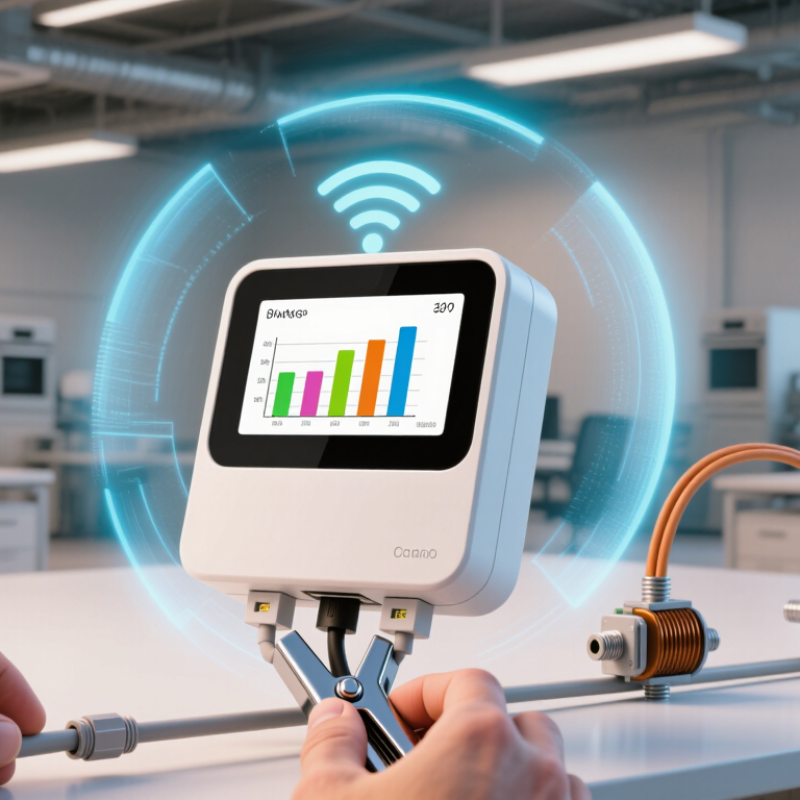
A wireless energy meter measures electricity use without requiring a data cable between the sensor and display. It usually uses current transformers, voltage references, and a small communication module. A clamp surrounds a live conductor and detects its magnetic field. The meter combines current and voltage readings to estimate power and energy consumption. It then sends readings through radio, Wi-Fi, or another local wireless network. Data may appear on a phone, gateway, or building dashboard.

The process sounds simple. Installation is not always simple. During site checks, I look for conductor size, phase arrangement, signal distance, and electrical noise. A loose clamp can produce unstable readings. An incorrect phase connection can distort power calculations. Good meters record voltage, current, power factor, and cumulative kilowatt-hours. These details help maintenance teams identify unusual loads, overnight consumption, or failing equipment. For reliable results, compare the meter with a calibrated reference during commissioning. Calibration matters.

Wireless communication also needs protection. Encrypted transmission, strong passwords, firmware updates, and limited user access reduce avoidable risks. Battery-powered sensors are convenient, but cold rooms and weak batteries can interrupt reporting. A gateway may improve coverage, yet it creates another device to maintain. I have found that clear installation records often matter more than attractive dashboards. Readings should be checked before they guide purchasing or energy-saving decisions. Even accurate hardware can mislead when assumptions remain untested.

2026 Best Wireless Energy Meter for Global Buyers?

A wireless energy meter measures voltage and current, calculates real-time power and accumulated energy, then transmits the readings through a wireless communication protocol. The chart compares representative open-area communication ranges commonly used in wireless monitoring systems.

Actual range depends on antenna design, transmission power, building materials, interference, network configuration, and local regulations. Indoor range is normally lower than open-area range.

Which Features Matter When Choosing a Wireless Energy Meter in 2026?

Choosing a wireless energy meter in 2026 starts with measurement quality, not a glossy dashboard. The IEA’s Electricity 2024 report expects global electricity demand to grow by about 4% annually through 2026. Small reading errors can therefore distort large efficiency decisions. Look for compliance with IEC 61557-12, clear accuracy specifications, and separate readings for voltage, current, power factor, and energy. Check performance at low loads, too. Many devices look precise under stable conditions but behave differently near standby consumption.

Connectivity matters in real buildings. A reliable meter should support secure wireless transmission, local data storage, automatic reconnection, and integration through documented protocols. NIST’s Cybersecurity Framework 2.0 highlights asset visibility, access control, and recovery planning. Those features should apply to meters, gateways, and cloud accounts. Battery life also needs practical testing. Thick concrete walls, metal cabinets, and crowded radio channels can reduce it sharply. That detail is easy to miss.

Installation safety deserves equal attention. The meter should provide clear wiring diagrams, overload limits, isolation guidance, and tamper alerts. IEC 62052-11 offers relevant general requirements for electricity metering equipment. I would also request calibration records and a sample data export before purchase. No wireless signal is perfect. No specification sheet tells the whole story. Global buyers should test one unit in the actual site, because local interference and electrical conditions may expose weaknesses that laboratory figures hide.

2026 Best Wireless Energy Meter for Global Buyers? - Which Features Matter When Choosing a Wireless Energy Meter in 2026?

Selection Dimension How to Verify
Measurement Performance
Active Energy Accuracy IEC 62053-21 Class 1 or an equivalent stated accuracy class for general submetering. Class 0.5 or better where billing allocation, energy benchmarking, or high-value loads are involved. Class 1 indicates a maximum permissible error of approximately ±1% under specified reference conditions; Class 0.5 targets approximately ±0.5% under those conditions. Request the full accuracy class, test conditions, and calibration certificate.
Voltage Compatibility The rated voltage must match the local electrical system, such as 120/208 V, 230/400 V, or another documented system voltage. A configurable meter covering the intended line-to-neutral and line-to-line voltage range, with overvoltage tolerance clearly specified. Electrical systems differ by country, phase arrangement, and frequency. Incorrect voltage selection can create measurement errors or safety risks. Compare the meter nameplate and datasheet with the installation voltage and wiring diagram.
Current Measurement Method Direct input for loads within the meter rating, or current transformers for higher-current circuits. Split-core CTs for retrofit work, with a clearly stated CT ratio and a sealed or lockable CT connection where tamper control is required. CT-based meters reduce conductor disconnection during installation and support larger feeders, but the CT ratio and polarity must be correct. Confirm direct-current range, CT secondary rating, ratio settings, burden, and polarity instructions.
Phase Configuration Single-phase or three-phase configuration must match the circuit being monitored. Support for balanced and unbalanced three-phase loads, with per-phase voltage, current, power factor, and energy data. Unbalanced loads can make total-only readings insufficient for troubleshooting and energy management. Check whether the meter reports each phase separately and whether a neutral connection is required.
Sampling and Data Resolution Cumulative kWh plus voltage, current, power, and power factor at a documented interval. Configurable intervals from 1 minute to 15 minutes, with load-profile storage and timestamped interval data. Shorter intervals reveal demand peaks and abnormal loads; longer intervals reduce communication and storage requirements. Review the data sheet for sampling rate, reporting interval, timestamp accuracy, and local memory capacity.
Wireless Connectivity
Wireless Technology A documented protocol that suits the site, such as Wi-Fi, Bluetooth Low Energy, sub-GHz mesh, LoRaWAN, or cellular. A field-replaceable or gateway-based design supporting the required protocol without locking the buyer to an undisclosed cloud service. Wireless technologies differ substantially in range, power consumption, bandwidth, network ownership, and installation complexity. Confirm frequency bands, regional approvals, gateway requirements, and supported network servers or platforms.
Typical Communication Range A tested range appropriate for the building, electrical room, and gateway location. Wi-Fi: often 20–50 m indoors BLE: typically 10–30 m LoRaWAN: commonly several hundred metres to several kilometres, site-dependent Concrete walls, metal switchboards, underground rooms, and radio interference can reduce real-world range significantly. Ask for an on-site radio survey or a documented test under comparable building conditions.
Network Reliability Local storage during communication outages and automatic retransmission after reconnection. Store-and-forward memory, connection watchdog, configurable retry logic, and an offline measurement display. Energy records should not be lost because of temporary Wi-Fi, gateway, cellular, or cloud interruptions. Test the meter with the network disconnected and verify recovery of all stored records.
Interoperability A documented API or standard protocol for exporting readings. MQTT, Modbus RTU/TCP, HTTPS API, or a documented payload format, with time-series export in CSV or JSON. Open interfaces reduce integration risk with building-management systems, energy dashboards, and data platforms. Request protocol documentation, sample payloads, register maps, and data-export limitations.
Cybersecurity Unique credentials, encrypted wireless communication, signed firmware, and a process for security updates. TLS encryption, role-based access, certificate management, secure boot, audit logs, and a published vulnerability-response process. Wireless meters can expose operational data and may become an entry point into a connected building network. Review the security architecture, update policy, default-password controls, and data-storage location.
Installation and Electrical Safety
Installation Format A mounting method suited to the panel, such as DIN rail, panel mount, or compact enclosure installation. DIN-rail or enclosure-compatible design with clearly marked terminals, removable CTs, and adequate clearance for wiring. Correct mechanical fit reduces installation time and helps maintain safe separation between circuits. Check dimensions, terminal size, mounting position, wiring space, and required accessories.
Electrical Safety Category Documented insulation, dielectric withstand, creepage, clearance, and installation-category information. Compliance with applicable IEC 61010-1 safety requirements and an installation category appropriate to the distribution board. Safety ratings must correspond to the location and transient conditions of the electrical installation. Request the declaration of conformity, test reports, and installation-category rating.
Ingress and Environmental Protection An enclosure rating appropriate to the installation environment. At least IP51 for clean indoor panels; higher protection such as IP65 for dusty or damp enclosures when the complete installation supports it. Ingress protection applies to the enclosure and installation conditions, not automatically to exposed terminals or an incomplete panel. Verify the IP rating, operating humidity, condensation limits, and temperature range.
Operating Temperature The specified range must cover the expected installation environment. A documented operating range of approximately −25°C to +55°C or wider for demanding global installations. High temperature, low temperature, and condensation can affect accuracy, battery life, and wireless reliability. Check operating and storage temperature separately; do not use storage limits as operating limits.
Power, Data, and Ownership
Meter Power Supply A supply compatible with the panel, with documented consumption and protection requirements. Wide-range auxiliary input or reliable self-powered operation, plus a defined power-failure data-retention method. The meter must remain safe and useful during voltage variation, outages, and maintenance work. Check auxiliary voltage range, burden, fuse requirement, restart behavior, and nonvolatile memory.
Battery Requirements If battery-powered, the battery type, expected service life, and replacement procedure must be specified. Replaceable industrial battery, low-battery alert, and a documented life estimate based on reporting interval and radio technology. Frequent wireless transmissions, low temperatures, and weak signal conditions can shorten battery life. Compare the life estimate at the intended reporting interval and network signal strength.
Local Display and Commissioning A commissioning method that identifies phase, CT ratio, signal status, and accumulated energy. Readable local display or NFC/Bluetooth commissioning with clear phase-sequence, polarity, and communication diagnostics. Local diagnostics reduce installation errors and make troubleshooting possible without immediate cloud access. Perform a commissioning test for CT polarity, phase sequence, time, signal strength, and zero-load behavior.
Data Ownership and Retention Clear ownership, export rights, retention period, and account-access rules. Full historical export, configurable retention, local backup, and no mandatory subscription for basic meter readings. Long-term energy analysis should remain accessible if the service plan, gateway, or software platform changes. Review the contract, privacy policy, export format, storage location, and end-of-service procedure.
Maintenance and Firmware Updates Documented firmware-update method and a way to restore configuration. Secure remote updates, rollback protection, configuration backup, event logs, and a published support lifecycle. Remote maintenance lowers site visits, while rollback and backup capabilities reduce update-related downtime. Ask for update frequency, support duration, rollback behavior, and configuration recovery steps.
Global Deployment and Buying Decision
Regulatory and Regional Approval Applicable electrical, radio, and EMC approvals for the destination market. A complete technical file covering the target regions, radio bands, EMC testing, safety, and metering requirements. Radio frequencies, grid configurations, safety rules, and legal metering requirements vary by country. Verify destination-country approvals before shipment and installation, especially for cellular or sub-GHz radios.
Total Cost of Ownership Purchase price plus CTs, gateways, installation, connectivity, software, calibration, and replacement costs. A five-year cost model with transparent hardware, communication, cloud, maintenance, and battery expenses. A low hardware price can become expensive when gateways, subscriptions, site visits, or proprietary accessories are included. Request a complete bill of materials and a five-year operating-cost estimate.
Best-Fit Application The meter must match the intended use: residential submetering, commercial tenant billing, industrial monitoring, or solar and storage analysis. Residential: compact and easy commissioning Commercial: CT support and open integration Industrial: high accuracy and rugged communications Solar/storage: bidirectional power and energy registers There is no single best wireless energy meter for every site; the best choice is the one that matches the circuit, accuracy need, network, and ownership model. Complete a site survey and compare the selected meter against every required dimension above.
Important: The values shown are practical selection benchmarks and typical field ranges, not universal specifications. Final suitability depends on the exact meter model, electrical system, installation method, radio environment, destination-country regulations, and applicable standards.

How Do Wireless Energy Meters Compare Across Global Markets?

Wireless energy meters differ sharply across global markets, even when their displays look similar. In North America, buyers often prioritize split-phase compatibility and strong wireless range. European installations may focus on single-phase or three-phase measurement, compact panels, and local data rules. In many Asian and emerging markets, unstable voltage, dense buildings, and mixed network coverage affect performance. A meter designed for one grid can give unreliable readings elsewhere.

Communication also matters. Wi-Fi suits homes with stable internet, while cellular or mesh connections may work better in remote facilities. Radio frequency limits vary by region, so buyers should verify approved operating bands and required certifications. Accuracy is not only a laboratory number. Installation direction, current-transformer placement, and electrical noise can change results. I have seen a small wiring mistake create a surprisingly large monthly error.

Tips: Check voltage, phase type, frequency, wireless protocol, and certification before ordering. Ask for test data under your local conditions. Confirm whether readings remain available during internet outages. A cheaper meter may become expensive after adapters, gateways, or replacement sensors are added.

Global comparison should include support quality and data access. Clear calibration instructions help technicians work faster. Exportable records support audits and energy planning. Some systems offer excellent dashboards but limited raw data, which can frustrate engineers. No comparison is perfect. Local installers may also interpret specifications differently. Buyers should leave room for testing, correction, and a second review before large-scale deployment.

What Are the Best Wireless Energy Meter Types for Different Applications?

2026 Best Wireless Energy Meter for Global Buyers?

What Are the Best Wireless Energy Meter Types for Different Applications?

Wireless energy meters vary by installation, load type, and data needs. Selecting the right type matters more than choosing the newest feature.

Clamp-on meters suit occupied buildings and retrofit projects. Their current transformers fit around existing cables without disconnecting power. They work well in offices, workshops, and rental properties. Installation is quick. However, poor clamp alignment can reduce accuracy. Technicians should check phase direction, conductor size, and the meter’s voltage reference.

For single appliances, plug-in meters provide simple monitoring. They help measure heaters, pumps, laboratory equipment, and temporary loads. Their compact design supports quick comparisons between devices. They are less suitable for fixed industrial panels or high-current circuits. Always confirm the rated voltage and current before connection.

For factories and multi-circuit sites, wireless DIN-rail meters offer broader control. They can monitor several feeders through gateways, local networks, or cloud dashboards. Models supporting pulse output or industrial communication protocols can connect with existing management systems. Signal strength deserves practical testing. Thick concrete walls and metal cabinets may create blind spots.

Battery-powered wireless sensors work well for remote assets. Examples include irrigation pumps, storage rooms, and outdoor equipment. Battery life depends on transmission intervals and temperature. Frequent reporting may drain power sooner than expected.

Accuracy certificates, encryption details, calibration procedures, and local electrical requirements need careful review. A cheaper meter can become expensive after repeated data gaps or difficult maintenance. Field conditions are rarely perfect, and my own evaluations would benefit from longer seasonal testing.

How Can Global Buyers Evaluate Accuracy, Compatibility, and Total Cost?

2026 Best Wireless Energy Meter for Global Buyers?

Global buyers should test accuracy under real operating conditions, not trust one headline specification. Check voltage, frequency, current range, and measurement tolerance. A device designed for 230V and 50Hz may not suit a 120V and 60Hz installation. Compare readings against a calibrated reference meter at low, medium, and peak loads. Test appliances with changing demand, such as refrigerators and pumps. Small errors can become expensive across a factory or rental property.

Compatibility reaches beyond electrical ratings. Confirm whether the meter supports local wireless bands, mobile applications, data export, and secure cloud access. A metal distribution cabinet may weaken the signal. Thick concrete walls can cause dropouts. Wired gateways may be necessary. Installation should also match local safety rules, enclosure requirements, and qualified electrical practice. Ask for test reports, calibration information, and clear warranty terms. Vague documentation deserves caution.

Total cost includes more than the purchase price. Add gateways, batteries, subscriptions, installation, import charges, maintenance, and possible calibration. My first estimate was too optimistic after adding replacement batteries and technician time. That mistake is common. A cheaper meter can cost more when data access is limited or support is unavailable. Check service availability in the destination country. Keep a small allowance for unexpected hardware changes. No meter is perfect. Reliability must be judged over months, not one successful installation.

Site Feedback
Close