2026 Best Flat Laminating Machine Buying Guide?
Choosing a Flat Laminating Machine in 2026 is not simply a matter of comparing prices. It is a process decision. The right model must match your materials, production volume, adhesive method, and workplace conditions. A machine that handles thin film beautifully may struggle with rigid boards, textured paper, or heat-sensitive graphics. Small differences matter. Roller pressure, heating accuracy, working width, and cooling time can change the final result.
Packaging equipment consultant Daniel Mercer explains, “A laminator should make quality repeatable, not merely possible.” That principle deserves attention. A polished sample may look impressive, yet daily production can reveal uneven pressure, silvering, bubbles, slow warm-up times, or difficult cleaning. Buyers should inspect these details before signing an order. Ask for a live demonstration using your own media. Test the first and last sheet. Measure edge alignment. Touch the finished surface after cooling.
This 2026 buying guide examines practical specifications without treating every feature as essential. Automatic feeding sounds attractive, but it may add complexity for smaller teams. Wider rollers provide flexibility, although they can increase energy use and maintenance costs. Digital controls improve monitoring, but operators still need training. That part is often underestimated.
There is no perfect machine. The best choice depends on honest workflow analysis, realistic budgets, and future demand. Review warranty coverage, spare-part availability, safety features, and service response times. A cheaper purchase can become expensive when production stops. Think carefully, test patiently, and leave room for a few inconvenient truths.
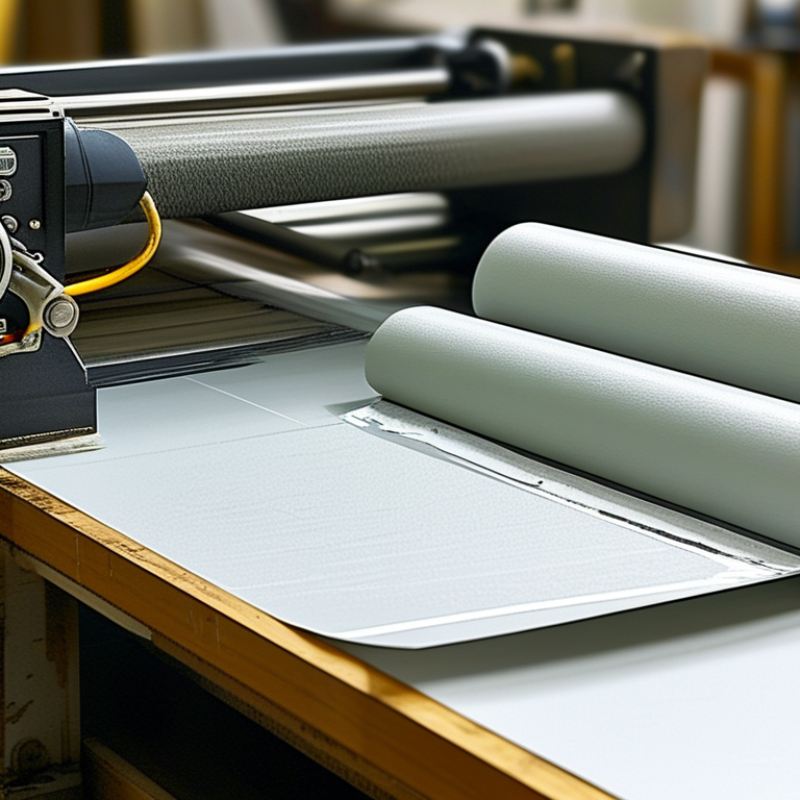
Flat Laminator Types: Roll, Vacuum, and Hot-Press Systems Compared
2026 Best Flat Laminating Machine Buying Guide
Flat laminators are not one universal solution. Roll laminators suit continuous sheets, posters, menus, and medium-volume work. They feed material between heated rollers, producing steady pressure and fast output. A practical trial should check edge alignment, film tension, and temperature stability. Small errors become visible quickly.
Vacuum laminators use a flexible membrane to press film across uneven or oversized surfaces. They are useful for mounted graphics, layered panels, and delicate substrates. Air removal helps reduce bubbles, especially around corners and textured areas. However, setup takes longer, and operators need a reliable vacuum seal. Poor cleaning can affect pressure consistency.
Hot-press systems apply heat and force through a flat platen. They work well with rigid boards, individual pieces, and short production runs. Pressure remains direct and predictable, but the working area limits sheet size. They may also require longer cooling time before trimming.
I would not choose a machine by maximum temperature alone. Dwell time, pressure control, platen flatness, and substrate compatibility matter more. A sample test using your actual film and board is safer than trusting a specification sheet. Even experienced operators can misjudge adhesive behavior when humidity changes. Expect a learning curve.
Film and Substrate Selection: Evaluate 25–250 µm Thickness Ranges
For a 2026 flat laminating machine, film thickness is not a minor specification. It controls heat transfer, pressure stability, and finished flatness. A 25–50 µm film needs gentle tension and accurate roller alignment. Excessive pressure can create wrinkles or cloudy adhesive areas. Films between 75 and 125 µm usually offer easier handling for routine paper, card, and synthetic substrates. At 150–250 µm, the machine needs stronger gap adjustment and higher structural rigidity.
The total stack matters more than film thickness alone. A 100 µm film bonded to a 200 µm board behaves differently from two thin films. Measure the substrate, adhesive layer, and liner before choosing the machine. Smithers’ flexible packaging market assessment places global demand above US$200 billion annually and identifies downgauging as an ongoing industry trend. That trend makes accurate low-pressure control increasingly important. It also exposes weak equipment. A machine that handles 250 µm comfortably may still damage a 25 µm film. Test both extremes.
In production trials, technicians should record temperature, line speed, roller pressure, peel strength, and curl after 24 hours. ISO 8510-2 provides a recognized method for peel-adhesion testing. Do not trust appearance alone. A smooth surface can hide poor bonding. I would also question broad manufacturer claims. Real substrates vary, and laboratory results are often too clean. Ask for test samples across the 25–250 µm range before purchasing.
Heating and Pressure Specs: Compare 40–160°C Control and Nip Uniformity
The best flat laminating machine is not defined by maximum heat alone. A 40–160°C control range suits films, paper, foil, and heat-sensitive structures. More importantly, the controller should hold temperature within a narrow, repeatable tolerance. A 2°C swing can create wrinkles, weak bonding, or adhesive squeeze-out. Recent PMMI packaging machinery research highlights uptime, changeover speed, and operator control as key buying factors. Heating stability directly affects all three.
Nip uniformity deserves equal attention. A roller may show strong pressure at the center but weak edges. That produces silvering, bubbles, or delamination near the sheet margins. Ask for pressure mapping data, roller parallelism, and test samples at different widths. Smithers’ flexible packaging market analysis continues to identify lightweight, multilayer structures as major growth areas. These materials often expose small pressure differences. The specification looks impressive. The result may not be. In my experience, a slower line with even nip pressure can outperform a faster machine with unstable contact.
Tips: Test your actual film, adhesive, and substrate together. Record temperature, line speed, nip pressure, and peel results. Review ASTM D903 peel-strength data where applicable. Do not compare pressure readings from different machines without checking measurement methods. A claimed “uniform” nip still needs evidence. That assumption can fail. Also inspect edge loading after several hours of operation, not only during a short demonstration.
Safety and Ownership Checks: Apply ISO 12100, IEC 60204-1, and TCO Data
Buying a flat laminating machine in 2026 requires more than comparing roller width and purchase price. I check heated rollers, pinch points, guards, and emergency stops during a live demonstration. ISO 12100 requires a documented risk assessment, not a decorative certificate. Ask for residual-risk instructions and verify whether operators can reach moving parts. Small gaps matter.
IEC 60204-1 should guide the electrical inspection. Confirm protective bonding, overcurrent protection, control-circuit labeling, emergency-stop performance, and safe restart behavior after power loss. The IEA’s Energy Efficiency 2023 report estimates that industry uses about 37% of global final energy. Therefore, measure warm-up time, standby consumption, and daily operating load instead of trusting brochure estimates. Real workshops are rarely perfect.
Build a five-year TCO sheet. Include installation, ventilation, electricity, rollers, adhesive film, calibration, training, downtime, and end-of-life handling. The World Robotics 2024 report recorded 541,302 industrial robot installations in 2023, showing how quickly automated equipment is entering production. More automation can improve consistency, but it also adds sensors, software, and service dependencies. I would request maintenance logs, spare-part lead times, and a fault-recovery test. A cheap machine may become expensive when one heater fails. My own checklist would still leave room for doubt, because quoted energy figures often exclude warm-up cycles and rejected material.